
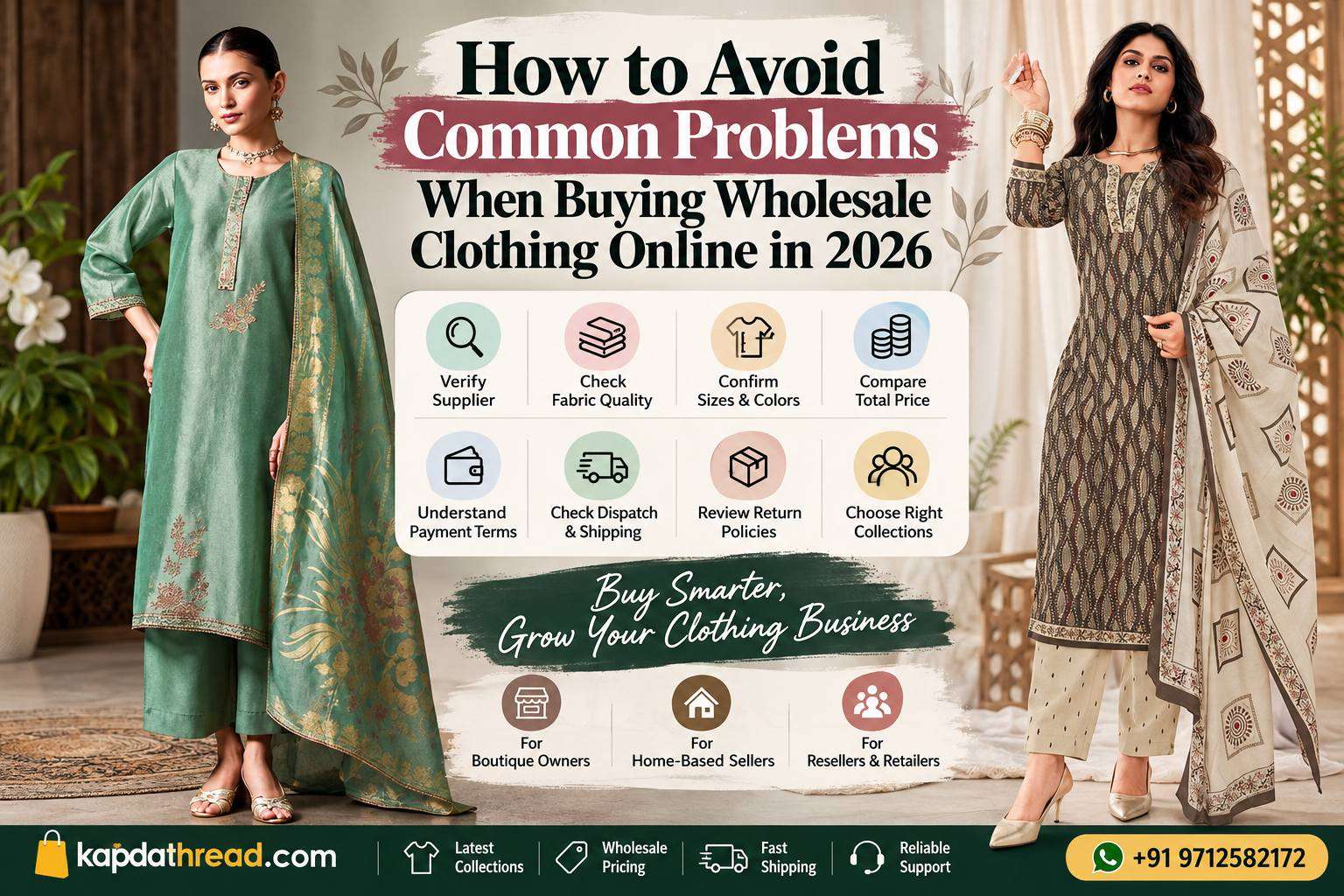
. How to Avoid Common Problems When Buying Wholesale Clothing Online
How to Avoid Common Problems When Buying Wholesale Clothing Online in 2026
Buying clothing in bulk has become one of the most practical ways to start or expand a fashion business. Whether you operate a boutique, manage a retail showroom, sell through social media, or run a home-based clothing business, choosing the right wholesale supplier can directly influence your profits. However, online bulk purchasing also comes with challenges such as inconsistent fabric quality, unexpected charges, incorrect sizes, delayed dispatches, and unreliable suppliers. Understanding these risks before placing an order can help you protect your investment, maintain customer satisfaction, and build a clothing business that grows steadily.
Introduction
The wholesale fashion industry continues to expand in 2026 as more retailers and resellers purchase garments directly from manufacturers, textile markets, and online clothing suppliers. Buyers can now explore thousands of sarees, kurtis, dress materials, co-ord sets, ethnic suits, and designer collections without physically visiting every wholesale market.
For boutique owners, showroom operators, and independent resellers, buying wholesale clothing online offers access to a wider product range and the opportunity to compare collections from different suppliers. Yet a successful purchase depends on much more than selecting attractive designs at low prices.
One common mistake is placing a bulk order without checking the supplier's background, product specifications, stock availability, or shipping conditions. A collection that appears profitable in photographs may become difficult to sell if the fabric, stitching, fitting, or finishing does not meet customer expectations.
Businesses sourcing garments from the surat textile market, Jaipur, Delhi, or other Indian textile hubs should develop a reliable purchasing process before investing in new inventory.
Platforms such as kapdathread.com make it easier for clothing buyers to explore wholesale collections and compare available product categories. However, buyers should still confirm important order details before making payments.
With Vastralife's wholesale and export experience since 2017, practical industry knowledge, and focus on premium product quality, buyers can better understand the importance of supplier verification, transparent pricing, and consistent product standards.
1. Choosing an Unverified Wholesale Clothing Supplier
One of the biggest risks when purchasing garments in bulk is selecting a supplier based only on attractive product photographs or unusually low prices.
Many retailers searching for wholesale clothing suppliers in India discover hundreds of businesses offering similar collections. Although competitive pricing is important, supplier reliability should always come first.
Check the Supplier's Business Identity
Before placing an order, request the supplier's business name, office address, contact details, and applicable GST information. Established wholesalers should be able to explain their ordering process, product categories, and dispatch procedures.
If you are purchasing from Surat, check whether the supplier operates from a recognized textile business area such as ring road, Sahara Darwaza, or another established commercial location.
These areas are associated with Surat's textile trading ecosystem, where manufacturers, wholesalers, distributors, and garment suppliers conduct business.
A physical business address can help establish credibility, but it should not be treated as the only proof of reliability. Confirm that the business details match the quotation and payment information.
Avoid Suppliers Offering Unrealistic Bulk Discounts
Extremely low prices can sometimes indicate old stock, inconsistent quality, incomplete product descriptions, or misleading advertisements.
For example, if most suppliers offer a particular embroidered kurti set within a similar price range, a seller advertising the same collection at a dramatically lower price deserves additional verification.
Before confirming bulk clothing orders online, ask whether the quoted amount includes the complete garment set, applicable taxes, packaging, and any additional charges.
Reliable wholesale buying means selecting products that provide genuine value rather than choosing the lowest advertised price without checking what is included.
2. Ignoring Fabric Quality Before Placing Bulk Orders
Fabric quality is one of the most important factors influencing repeat purchases in the clothing business. Customers may initially choose a garment because of its design, but comfort, durability, color consistency, and finishing determine whether they purchase again.
When sourcing ladies clothing wholesale online, buyers should understand the difference between fabric appearance in digital photographs and the actual material supplied.
Request Accurate Fabric Specifications
Different clothing categories require different fabric characteristics. Cotton kurtis should provide suitable comfort and breathability, while festive suits may use silk blends, georgette, organza, or other decorative materials.
Before purchasing, confirm the fabric composition, lining details, embroidery type, transparency, washing instructions, and whether the garment is stitched, semi-stitched, or unstitched.
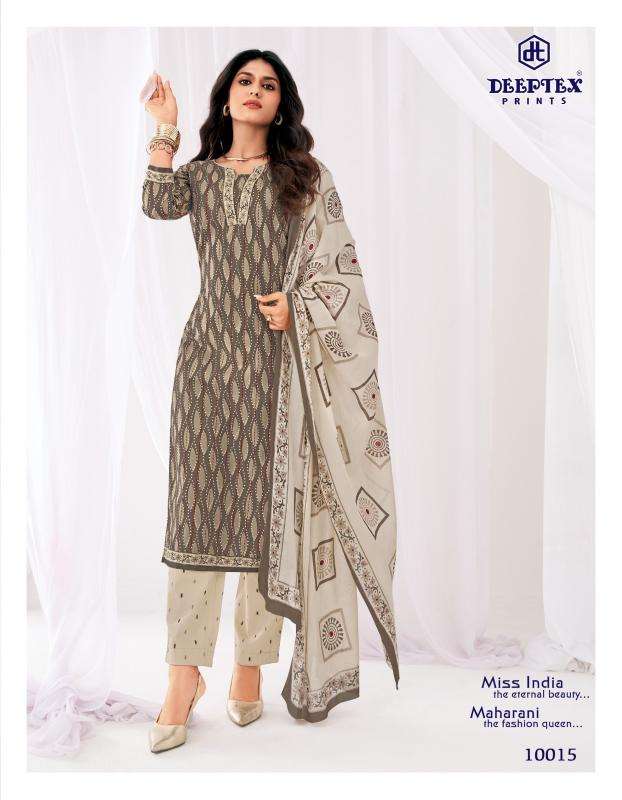
For wholesale dress material suppliers, it is particularly important to verify the fabric provided for the top, bottom, and dupatta separately.
A product described as a three-piece dress material should clearly identify all three components, including their approximate measurements where applicable.
Understand the Difference Between Product Photos and Actual Stock
Professional catalog photography can make garments look more vibrant because of lighting, editing, styling, and screen settings. Minor visual differences are possible even when the product is accurately represented.
Ask for available product videos, close-up photographs, or additional fabric information when buying unfamiliar collections.
For large wholesale kurti sets purchases, confirm whether all pieces belong to the same catalog, design series, and quality specification.
This approach is particularly useful for boutique owners who depend on consistent garment presentation and cannot afford frequent customer complaints.
Pay Attention to Stitching and Finishing
Premium product quality involves more than attractive fabric. Buyers should also consider seam strength, embroidery finishing, button attachment, garment symmetry, and overall construction.
Manufacturing consistency becomes especially important when purchasing multiple sizes or repeated designs.
If possible, begin with a smaller eligible wholesale order before committing to a larger quantity. This gives you an opportunity to evaluate the supplier's product standards and service quality.
3. Ordering the Wrong Sizes, Colors, or Product Variations
Incorrect sizing is another common issue that affects clothing retailers, especially those purchasing ready-made garments for customers with different body measurements.
When ordering women's ethnic wear wholesale, buyers should never assume that every manufacturer follows identical sizing standards.
Always Confirm the Size Chart
A medium-size kurti from one manufacturer may have different bust, waist, shoulder, and length measurements compared with another brand.
For ready-made kurti sets, co-ord sets, salwar suits, and plus-size collections, request a measurement chart showing the actual garment dimensions.
Retailers purchasing plus size kurtis wholesale should pay particular attention to bust measurements, hip measurements, sleeve comfort, and garment length.
These details help reduce fitting-related complaints and improve customer confidence.
Confirm Color and Design Availability
Some wholesale catalogs include several colors or designs under one product series. However, not every variation may remain available when an order is placed.
Before completing payment, verify whether the supplier offers color selection, assorted sets, or fixed catalog combinations.
For wholesale salwar suits and designer dress materials, ask whether the displayed assortment will be supplied exactly as shown or whether substitutions may occur.
Never promise a specific color or design to your retail customer until the supplier confirms stock availability.
4. Failing to Calculate the Actual Wholesale Purchase Cost
Many new resellers calculate their expected profit by subtracting the supplier's listed price from the planned selling price. Unfortunately, this method can produce an unrealistic profit estimate.
The actual cost of a wholesale purchase may include transportation, packaging, taxes, payment charges, and other applicable expenses.
Calculate the Complete Landed Cost
Suppose a retailer purchases a kurti set for ₹450 and plans to sell it for ₹750. The apparent gross margin is ₹300 per piece before additional expenses.
If freight, packaging, and allocated transaction expenses add another ₹45 per piece, the estimated gross margin becomes ₹255 before marketing costs, business overheads, returns, and other operating expenses.
Buyers searching for wholesale clothing at factory price should compare the final delivered cost rather than focusing only on the initial product quotation.
This becomes even more important when sourcing inventory for resale across different cities or countries.
Understand MOQ Before Ordering
Minimum order quantity, commonly called MOQ, determines the smallest quantity a supplier accepts for a particular product or catalog.
Some suppliers allow mixed designs, while others require complete sets or specific quantities per design.
For buyers searching for low MOQ wholesale clothing, it is essential to confirm whether the minimum quantity applies to the entire order, each design, or each product category.
A smaller opening order can help home-based sellers test demand without investing too heavily in slow-moving inventory.
At the same time, larger confirmed orders may qualify for better wholesale pricing or bulk order deals, depending on the supplier's current policies.
Compare Wholesale Prices Without Compromising Quality
The cheapest garment does not always generate the highest profit. A slightly more expensive product with better fabric, attractive finishing, and reliable sizing may create stronger repeat demand.
When comparing Surat wholesale clothing prices, consider the complete value offered by the supplier, including quality consistency, catalog variety, communication, dispatch reliability, and after-sales support.
This is especially relevant for showroom owners and boutique businesses that want to maintain a dependable product range throughout the year.
5. Making Payments Without Understanding Supplier Policies
Payment-related misunderstandings can create serious difficulties for new wholesale buyers. Different suppliers follow different payment terms, and those conditions should be clear before the order is finalized.
Some businesses require full advance payment, while others provide conditional payment arrangements or COD support for eligible domestic orders.
Confirm the Payment Terms in Writing
Before sending money, request a quotation or order confirmation mentioning the product names, quantities, agreed price, payment amount, shipping charges, and expected dispatch timeline.
Make sure the payment recipient matches the supplier's verified business or authorized payment details.
For wholesale clothing online shopping, maintain copies of invoices, payment receipts, product confirmations, and relevant supplier conversations.
These records are useful if an order discrepancy occurs or a clarification is required after dispatch.
Understand COD Eligibility and Advance Requirements
Cash on Delivery is sometimes available for domestic wholesale purchases, but it may require an advance amount, minimum order value, or prior confirmation.
For Vastralife's applicable India COD arrangements, buyers should confirm the current eligibility requirements, including the 30% advance payment condition, before placing an order.
International wholesale purchases generally require separate payment and shipping arrangements rather than assuming domestic COD facilities will apply.
Clear communication about payment conditions protects both the buyer and the supplier from avoidable disputes.
Check Damage, Defect, and Return Conditions
Wholesale purchasing policies are often different from retail shopping policies. Buyers should not assume that unsold stock, incorrect personal preferences, or slow-moving designs can be returned.
Confirm the supplier's terms for manufacturing defects, transit damage, missing pieces, incorrect products, and the timeframe for reporting problems.
Where an unboxing video is required for a damage or manufacturing-defect claim, record the parcel opening continuously and preserve the packaging until the items have been checked.
For businesses working with Vastralife's wholesale process, an unboxing video is compulsory for eligible defect or damage claims, and returns or exchanges are not offered for ordinary resale-related reasons.
Understanding these policies before payment is one of the simplest ways to avoid misunderstandings during online wholesale garment purchases.
6. Avoiding Delayed Dispatch and Shipping Problems
Shipping delays can affect sales, especially when retailers purchase clothing for festivals, wedding seasons, boutique launches, or customer pre-orders. When placing bulk clothing orders online, buyers should understand the difference between order confirmation, dispatch time, and actual delivery time.
Confirm Dispatch Dates Before Making Payment
Before finalizing your purchase, ask the supplier whether the selected collection is ready for dispatch or requires additional manufacturing time. Ready-stock garments may move faster, while customized designs, embroidery work, and large-volume orders can require additional preparation.
For retailers purchasing from the surat textile market, shipping arrangements may depend on stock availability, transport schedules, destination, and order volume.
Vastralife generally aims to dispatch confirmed, available-stock orders within two days after booking confirmation. However, buyers should verify the applicable dispatch commitment for their specific order.
Select Suitable Shipping Services
Choosing the correct shipping service is particularly important when purchasing wholesale sarees online, kurti sets, designer suits, and dress materials in large quantities.
Before confirming shipping, consider parcel weight, delivery location, transportation charges, tracking availability, and packaging requirements.
Retailers operating outside major cities should confirm whether the courier delivers directly to their business address or requires collection from a transport office.
Plan International Wholesale Deliveries Carefully
For international clothing buyers, delivery planning becomes even more important. Businesses importing Indian ethnic wear into Malaysia, Nepal, and Australia should confirm customs documentation, applicable import duties, transportation methods, and estimated transit periods.
For example, buyers in Nepal should account for customs clearance, applicable VAT, and transportation expenses before calculating the final resale price.
Retailers ordering garments for export should also check whether their supplier can provide the commercial invoice, packing information, and other documents required for the shipment.
Clear communication about delivery responsibilities helps prevent unexpected expenses and missed selling opportunities.
7. Buying the Wrong Clothing Collection for Your Customers
One of the most expensive mistakes in wholesale fashion purchasing is ordering attractive products without considering actual customer demand.
A fashionable collection may look impressive in a catalog but still perform poorly if it does not match the preferences, budgets, or sizes of your target customers.
Choose Collections According to Your Business Type
Home-based resellers often benefit from affordable everyday kurtis, comfortable cotton sets, and easy-to-sell dress materials. Boutique owners may prefer exclusive-looking designer collections, embroidered suits, and premium ethnic wear.
Showroom owners generally need a balanced selection of daily wear, festive collections, plus-size garments, and seasonal designs.
When purchasing ladies clothing wholesale online, selecting inventory according to your customers' buying habits can reduce unsold stock and improve inventory turnover.
Balance Trending Designs with Regular-Selling Products
Fashion trends change quickly, but some clothing categories maintain consistent demand throughout the year.
For example, cotton kurtis, printed dress materials, casual kurti-pant sets, and everyday salwar suits can form part of a retailer's regular assortment.
Meanwhile, festive sarees, embroidered Pakistani suits, Anarkali sets, and designer co-ord sets may attract customers seeking occasion-specific clothing.
When purchasing wholesale ethnic wear for resellers, combine reliable everyday products with selected trending collections rather than investing the entire budget in one fashion trend.
Use Smaller Orders to Test New Designs
Instead of immediately ordering large quantities of unfamiliar products, start with the supplier's minimum eligible order quantity.
Monitor which designs receive customer inquiries, which sizes sell quickly, and which price ranges generate repeat purchases.
Once a collection demonstrates consistent demand, consider increasing the order quantity while confirming that the same designs remain available.
This approach is useful for buyers looking to buy wholesale kurtis online without taking unnecessary inventory risks.
8. Internal Linking: Explore Suitable Wholesale Clothing Categories
Choosing the right product category is an important part of building a profitable clothing business. Buyers should compare fabric varieties, available designs, wholesale prices, and order requirements before selecting inventory.
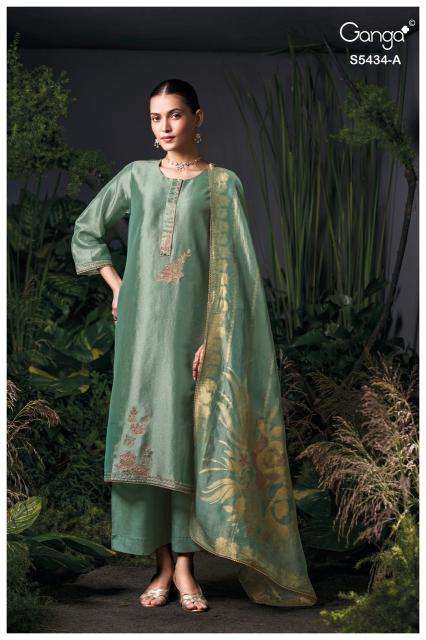
Retailers searching for unstitched suits, printed fabrics, and traditional clothing can explore wholesale dress materials to discover collections suitable for boutiques, retail stores, and home-based businesses.
For customers interested in embroidered suits, elegant ethnic designs, and occasion wear, browsing wholesale Pakistani suits online can help identify additional product options for resale.
These categories are particularly relevant for buyers sourcing clothing from Indian textile and manufacturing markets. Comparing different collections also makes it easier to plan inventory according to customer demand and purchasing budgets.
9. Understanding Manufacturing Quality and Wholesale Supply Consistency
Reliable manufacturing standards are essential for businesses that regularly purchase garments in bulk. Even when the first order meets expectations, inconsistent production quality can create problems during repeat purchases.
Ask Whether the Supplier Is a Manufacturer or Wholesaler
Clothing suppliers may operate as manufacturers, wholesalers, distributors, or sourcing businesses. Each business model offers different advantages depending on product availability, pricing, customization requirements, and order volume.
Manufacturers may offer direct production access for selected categories, while established wholesalers can provide collections from multiple brands and manufacturing units.
Buyers searching for wholesale clothing manufacturers in Surat should ask whether the products are manufactured in-house, sourced from partner units, or supplied through authorized distribution arrangements.
Understanding the supply chain can help buyers estimate restocking possibilities and avoid assuming that every design will remain permanently available.
Check Product Consistency Across Repeat Orders
For growing retail businesses, consistent fabric, measurements, colors, and stitching are important for customer trust.
When reordering a successful catalog, confirm the product code, design series, fabric specifications, and available sizes.
A new production batch may sometimes differ slightly from earlier stock. Buyers should therefore confirm whether the same specifications are being supplied.
Experienced wholesale businesses understand the importance of quality checks, accurate product descriptions, and dependable supplier communication.
Vastralife's industry experience in wholesale and export since 2017 reflects the importance of connecting retailers with suitable clothing collections and maintaining attention to premium product quality.
10. Avoiding Inventory Problems During Festival and Wedding Seasons
Seasonal demand can create profitable opportunities for clothing retailers, but poor planning can also lead to stock shortages, delayed orders, and excess inventory.
Order Seasonal Collections in Advance
Retailers purchasing designer sarees wholesale, embroidered dress materials, festive kurti sets, and wedding wear should plan their purchases before peak demand begins.
Waiting until the last moment can limit available designs and increase pressure on dispatch schedules.
Before placing a seasonal order, review previous sales, expected customer demand, and available working capital.
Do not commit to large quantities solely because a collection is described as trending or fast-selling.
Maintain a Balanced Inventory
A practical inventory strategy includes products at different price points. Affordable everyday clothing can attract regular customers, while premium designer collections may offer opportunities for higher-value sales.
For wholesale clothing for boutique owners, it is useful to maintain variety across fabric types, sizes, colors, and occasions.
Keep track of stock movement and reorder successful designs only after confirming availability and expected delivery dates.
11. How to Choose a Reliable Online Wholesale Clothing Partner in 2026
A dependable wholesale supplier should offer more than competitive pricing. Product variety, transparent communication, quality consistency, and clear ordering conditions are equally important.
Buyers exploring wholesale clothing online India should compare suppliers using practical business criteria rather than relying entirely on advertisements or social media popularity.
Look for Clear Product Information
A useful wholesale catalog should help buyers understand product designs, fabric details, available sizes, catalog quantities, and pricing.
Clear descriptions reduce confusion and make it easier for retailers to select garments that suit their customers.
Choose Suppliers Offering Relevant Collections
Businesses selling women's clothing often require access to multiple categories, including kurtis, sarees, salwar suits, dress materials, co-ord sets, and festive ethnic wear.
Exploring collections through kapdathread.com can help wholesale buyers review available clothing options and identify suitable products for their retail businesses.
Before confirming an order, buyers should verify current stock, pricing, minimum quantity, and applicable shipping arrangements.
Evaluate Communication and Customer Support
Responsive communication is particularly valuable when purchasing garments remotely.
A professional supplier should be able to clarify order details, explain dispatch conditions, and respond to reasonable product-related questions.
For buyers purchasing from the surat textile market, including suppliers around ring road and sahara darwaza, dependable communication can make repeat sourcing more efficient.
Whether you operate a small resale business or a large clothing showroom, establishing a long-term relationship with a reliable supplier can reduce purchasing uncertainty.
12. Smart Wholesale Buying Checklist Before Confirming Your Order
Before completing your next wholesale purchase, use the following checklist to reduce avoidable problems.
- Supplier verification: Confirm the business identity, contact details, and payment information.
- Product selection: Choose clothing categories that match your customers' preferences and budget.
- Fabric quality: Check fabric specifications, garment finishing, and available product details.
- Size confirmation: Review measurements and available sizes before ordering ready-made garments.
- Stock availability: Confirm the exact designs, colors, and quantities available.
- Wholesale pricing: Calculate the final cost, including applicable taxes and transportation.
- MOQ requirements: Understand whether minimum quantities apply per design, catalog, or order.
- Payment conditions: Confirm advance payment requirements and available COD support.
- Shipping arrangements: Verify dispatch timelines, delivery services, and estimated transportation charges.
- Return policy: Understand the conditions for reporting manufacturing defects or damaged products.
- Order documentation: Preserve invoices, confirmations, payment receipts, and parcel-opening evidence.
- Profit planning: Estimate realistic margins after including operating and selling expenses.
Following these steps can make buying wholesale clothing online more organized and reduce unnecessary business risks.
13. Customer FAQs About Buying Wholesale Clothing Online
Q1. How can I safely buy wholesale clothing online in India?
Start by selecting an established supplier with verifiable business information. Confirm product specifications, wholesale prices, minimum order quantities, payment conditions, and shipping details before making payment. Keep a written record of your order confirmation and invoice.
Q2. Where can I purchase wholesale kurtis, sarees, and dress materials online?
Buyers can explore established wholesale clothing platforms, textile manufacturers, and garment distributors offering products from Indian textile markets. Websites such as kapdathread.com provide a way to browse clothing collections suitable for retailers, boutiques, and resellers. Always verify current availability and ordering terms.
Q3. What is the minimum investment required to start a wholesale clothing resale business?
The starting investment depends on the product category, supplier MOQ, garment price, shipping charges, and selling channel. New resellers can reduce risk by starting with smaller eligible wholesale orders and expanding after identifying successful products.
Q4. How do I avoid receiving poor-quality wholesale garments?
Check fabric specifications, stitching details, garment measurements, product videos, and supplier policies before ordering. For unfamiliar collections, begin with a manageable order quantity and inspect the products carefully after delivery.
Q5. Is buying wholesale clothing directly from Surat profitable?
Purchasing from Surat can offer access to extensive textile and garment collections. Profitability depends on the final purchase cost, product quality, customer demand, shipping expenses, and selling price. Buyers should calculate realistic margins before committing to inventory.
Q6. Can home-based resellers purchase wholesale clothing online?
Yes. Home-based sellers can purchase eligible wholesale quantities and resell products through social media, messaging platforms, online stores, or personal customer networks. It is important to confirm the supplier's MOQ and payment terms before ordering.
Q7. Can Indian wholesale clothing suppliers ship internationally?
Many Indian wholesalers and exporters support international orders, subject to destination-specific shipping and customs arrangements. Buyers should confirm documentation, freight charges, import duties, payment conditions, and delivery estimates before placing an export order.
Q8. What should I do if my wholesale clothing order arrives damaged?
Inspect the shipment promptly and follow the supplier's stated claim procedure. If an unboxing video is required, record the parcel opening clearly. Preserve the invoice, packaging, and evidence of the issue, and contact the supplier within the applicable reporting period.
14. Shop Latest Wholesale Clothing Collections with KapdaThread
Finding the right wholesale clothing supplier can make a significant difference to your business. Whether you are starting a home-based resale venture, expanding a boutique, or purchasing inventory for a large showroom, access to suitable collections and transparent purchasing conditions helps you make better buying decisions.
At kapdathread.com, wholesale buyers can explore clothing categories suitable for different retail requirements and customer preferences.
What You Can Look Forward To
- Latest Collections: Explore new arrivals and fashionable clothing designs for different customer segments.
- Wholesale Pricing: Discover competitively priced garments suitable for retail and resale businesses.
- Trendy Ethnic Wear: Browse kurtis, kurti sets, sarees, dress materials, and traditional clothing collections.
- Fast Shipping: Confirm available dispatch and delivery options for your destination.
- COD Support: Ask about eligible India COD arrangements and applicable advance payment requirements.
- Bulk Order Deals: Enquire about available pricing benefits for larger confirmed quantities.
- Quality Products Starting From ₹299: Explore eligible wholesale collections at entry-level price points, subject to current availability.
With Vastralife's wholesale and export experience since 2017, buyers can benefit from industry knowledge developed through working with clothing retailers, resellers, and wholesale customers.
Ready to place your next wholesale clothing order? Browse the latest available collections, compare product options, and contact the wholesale team for current pricing, stock confirmation, and ordering assistance.
Website: kapdathread.com
WhatsApp / Contact: +91 9712582172
Business Focus: Women's Wholesale Clothing | Ethnic Wear | Bulk Supply | Export
Conclusion
Successful wholesale clothing purchasing depends on careful supplier selection, accurate product information, realistic pricing calculations, and clear communication. Avoiding common problems such as poor fabric quality, incorrect sizing, unreliable dispatch promises, and unclear payment policies can protect your investment and improve customer satisfaction.
In 2026, retailers have more opportunities than ever to source fashionable clothing from Indian manufacturing and textile markets. However, sustainable business growth comes from selecting products that customers genuinely want and working with suppliers who provide consistent quality and dependable service.
Whether you are purchasing your first wholesale catalog or expanding an established clothing business, make every order with a clear understanding of quality, cost, delivery, and resale potential. A thoughtful buying process today can create stronger customer relationships and better business opportunities tomorrow.