
.jpg-2026-09-29_10_49_49.jpg)
Best products for boutique business
Best Products for Boutique Business in 2026: Wholesale Buying Guide for Profitable Resellers
Running a profitable boutique is largely about choosing products that customers want to buy, keeping the buying price commercially workable, and refreshing stock before designs become common in the local market. For boutique owners, home-based sellers, resellers and showroom owners, sourcing directly from established textile markets can create access to more designs, better wholesale options and collections suitable for different customer budgets.
Introduction
The boutique business in 2026 is increasingly driven by variety, quick collection updates and visually attractive products that can be promoted through Instagram, WhatsApp, Facebook and physical stores. Customers may visit a boutique for a kurti and then purchase a complete ethnic set, festive suit or designer outfit when the right product is available at the right price.
This makes product selection one of the most important buying decisions for a boutique. Instead of investing heavily in only one category, retailers can build a balanced inventory covering everyday wear, office wear, festive clothing, wedding collections and premium occasion wear. Buyers searching for the best products for boutique business should therefore look beyond individual designs and think about repeat demand, selling price, customer segment and stock rotation.
For buyers sourcing from India, the Surat textile market continues to offer a broad selection of women’s fashion products across multiple price segments. Wholesale zones around Ring Road and Sahara Darwaza connect retailers with traders, suppliers and manufacturing networks serving buyers across India as well as international markets.
Through kapdathread.com, boutique owners can explore wholesale clothing categories without depending entirely on traditional market visits. The model is especially practical for home-based sellers, shop owners and resellers who want to compare new collections and place wholesale orders from their own location.
Best Products for Boutique Business to Buy Wholesale in 2026
A strong boutique collection normally contains products at several selling levels. Affordable daily-wear merchandise can generate regular transactions, while designer and festive products can increase average order value. Buyers should therefore purchase products according to the type of customer they actually serve rather than simply choosing whichever catalogue looks attractive.
1. Kurtis for Regular Boutique Sales
Wholesale kurtis remain one of the most practical categories for boutiques because they can serve students, working women, homemakers and everyday ethnic-wear customers. Cotton kurtis, printed kurtis, embroidered kurtis, rayon styles, straight-cut kurtis and contemporary silhouettes give retailers multiple selling opportunities throughout the year.
For a new boutique, kurtis can also provide an accessible way to test customer preferences. Instead of putting most of the buying budget into expensive occasion wear, a retailer can purchase multiple designs across different price points and identify which cuts, colours and sizes sell fastest.
Retailers searching for kurtis wholesale price, boutique kurtis online, Surat kurti wholesalers or wholesale ethnic wear can consider factors such as fabric quality, stitching, size availability and repeatability before increasing quantities. A design that performs well can become considerably more valuable when the supplier can provide fresh stock or similar patterns quickly.
2. Kurti Pant Sets and Complete Ethnic Sets
Complete sets are commercially useful because the customer receives a coordinated outfit rather than having to match separate bottoms. Kurti-pant sets, kurta-trouser combinations and three-piece sets can be positioned for office wear, casual outings, small functions and gifting.
For boutique owners, wholesale kurti sets can also support a higher selling value than a basic single kurti. Attractive neck detailing, embroidery, printed bottoms, coordinated dupattas and modern cuts can help differentiate one collection from another.
Buyers should keep a mix of simple daily-wear sets and more detailed styles. This creates options for customers who enter with different budgets instead of forcing the boutique into one price segment.
3. Pakistani Suits for Premium and Fashion-Focused Buyers
Pakistani suits wholesale collections can be a valuable category for boutiques targeting customers who prefer elegant silhouettes, detailed embroidery, premium-looking fabrics and coordinated dupattas. Lawn suits, embroidered Pakistani suits, straight-cut designs, festive collections and designer-inspired patterns can work across several retail segments.
The category is particularly useful when a boutique wants to differentiate itself from stores selling only conventional kurtis. Customers often evaluate Pakistani-style suits by the overall combination of fabric, embroidery, colour palette, dupatta and finishing, so retailers should consider the complete presentation instead of purchasing purely on the lowest wholesale price.
Wholesale buyers sourcing for India, Nepal and Australia may also require different combinations depending on climate, festival periods, local fashion preferences and customer spending levels. International buyers should therefore confirm shipping, product specifications and export requirements before placing larger commercial orders.
4. Jaipuri and Traditional Ethnic Kurtis
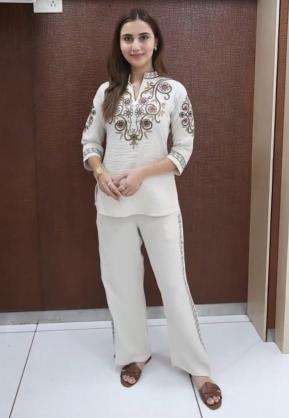
Jaipuri-inspired clothing gives boutiques another highly marketable segment. Printed motifs, traditional patterns, comfortable fabrics and colourful styling make these products suitable for customers who want ethnic clothing that can still be worn regularly.
Jaipuri kurtis wholesale selections can work particularly well for boutiques that sell through social media because distinctive prints are easy to present in product photographs, reels and WhatsApp catalogues. Buyers can combine floral prints, traditional motifs, straight patterns and coordinated sets rather than stocking one repetitive design theme.
Home-based sellers can also use this category to create smaller curated drops. Instead of displaying hundreds of products, they can promote selected patterns as a limited collection and accept customer orders according to available stock.
5. Cotton Kurtis for High-Rotation Inventory
For retailers looking for products that can be sold beyond the main festive season, cotton kurtis wholesale are worth considering. Comfortable products are particularly useful for everyday customers, office-going women and shoppers looking for practical clothing at accessible retail prices.
Cotton collections can include printed designs, embroidery, straight kurtis, A-line styles and coordinated ethnic sets. When purchasing wholesale, boutique owners should evaluate fabric feel, colour consistency, stitching and sizing because repeat customers often pay close attention to comfort after the first purchase.
A practical boutique inventory can include entry-level products as well as better-finished cotton collections. This allows a seller to answer both price-sensitive enquiries and customers willing to spend more for fabric and finishing.
Buy According to Your Customer, Not Only the Trend
A trend may perform strongly online but still move slowly in a particular boutique. A shop near a residential area can have different demand from a premium showroom, college-focused store or Instagram seller. Before buying in quantity, retailers should compare their previous sales with the new collection.
For example, if medium-priced cotton sets consistently sell faster than premium embroidered pieces, the next wholesale order can allocate more inventory to the proven category while keeping a smaller quantity of premium merchandise for variety.
This approach helps buyers searching for the best products for boutique business manage inventory more commercially. The goal is not to own the largest collection; it is to keep enough fresh, sellable merchandise moving through the business.
6. Designer Salwar Suits for Festive and Occasion Sales
Designer salwar suits wholesale can expand the boutique into higher-value purchases for festivals, family functions, celebrations and gifting. Embroidered suits, dupatta sets, straight suits, Anarkali-inspired designs and contemporary ethnic combinations can be selected according to the store’s customer profile.
Seasonal planning becomes important in this category. Waiting until peak demand begins can limit design choice and increase pressure on dispatch timelines. Boutique owners should purchase their important festive merchandise early enough to photograph, promote and display the collection before customers begin shopping.
Retailers buying through kapdathread.com can use online sourcing as part of this planning process, particularly when they are unable to make frequent buying trips to Surat.
7. Dress Materials for Customers Who Prefer Custom Stitching
Wholesale dress materials can attract customers who prefer choosing their own measurements, neckline, sleeve pattern or final silhouette. Unstitched and semi-stitched collections are particularly relevant for boutiques that work with tailoring services or serve customers who prefer personalised fitting.
Printed cotton, embroidered fabrics, festive dress material, lawn collections and premium three-piece materials can create several price bands within one category. Boutique owners can also pair selected dress materials with local stitching services to build a more complete customer proposition.
8. Co-ord Sets for Contemporary Boutique Collections
Modern boutiques do not have to remain limited to traditional ethnic wear. Wholesale co-ord sets can help attract younger shoppers and customers looking for ready-to-style outfits. Printed co-ords, relaxed sets, fusion styles and smart casual combinations can sit alongside kurtis and suits without changing the boutique’s entire identity.
When selecting co-ords, retailers should focus on wearable colours, sizing and styling that matches their existing audience. A small test purchase can establish demand before moving into larger quantities.
How to Build a Profitable Boutique Buying Mix
Wholesale buying becomes more effective when inventory is divided according to purpose. Everyday kurtis can generate regular sales, kurti sets can increase basket value, Pakistani suits can support premium positioning, while festive suits and dress materials can capture seasonal demand.
Retailers can also explore western wear when their audience wants contemporary products alongside ethnic collections. Buyers building a premium suit category can compare designs through wholesale Pakistani suits online and choose stock according to their target retail segment.
These are the only two category links required within the buying journey; the broader objective is to keep customers interested by maintaining variety without overloading working capital into too many slow-moving styles.
Start with Controlled Quantities
For home-based sellers and newly established boutiques, controlled buying can reduce inventory pressure. Purchase a commercially sensible assortment, promote it consistently and identify which categories receive actual orders rather than relying only on likes or enquiries.
Once a category demonstrates repeat sales, the buyer can increase the order value or add related designs. This is particularly useful for resellers who are moving from social-media selling toward a dedicated boutique or showroom.
Keep Multiple Price Segments
A customer looking for a ₹500–₹800 product and another looking for a premium festive outfit should not necessarily be served with the same inventory. Maintaining several selling bands helps a boutique convert a wider range of enquiries.
Wholesale buying from the Surat textile market can provide access to multiple product segments because the city has extensive trading and manufacturing activity. Areas around Ring Road and Sahara Darwaza are widely associated with Surat’s textile trade, making Surat an important sourcing destination for wholesale buyers.
9. Festive and Wedding Collections for Higher-Value Orders
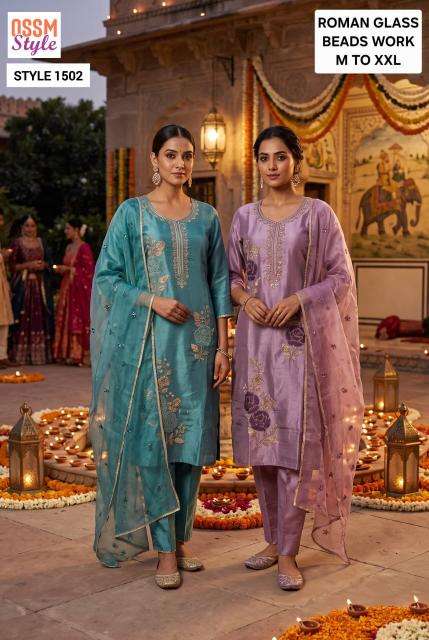
Festive and wedding products can give boutique owners an opportunity to increase average selling value. Customers shopping for weddings, engagement functions, Navratri, Diwali, Eid and other celebrations are often looking for something more detailed than regular daily wear. This creates demand for embroidered suits, Anarkali sets, sharara styles, designer kurtis, premium dress materials and occasion-ready ethnic sets.
For boutique owners, the key is to purchase these products before the selling season reaches its peak. Early buying gives enough time for photography, WhatsApp promotion, Instagram reels, customer previews and showroom displays. Waiting until the last moment can reduce the available design choice and leave less time to sell the merchandise.
Retailers should also avoid investing the complete festive budget in a single high-value design. A combination of moderate and premium wholesale ethnic wear can serve more customers and create multiple selling opportunities.
10. Plus-Size Ethnic Wear for a Wider Customer Base
Size variety can be an important commercial advantage for a boutique. A retailer that repeatedly tells customers that larger sizes are unavailable may lose not only one transaction but also future repeat business. Keeping selected plus-size kurtis, kurti sets and ethnic suits can help a boutique serve a broader customer base.
Wholesale buyers should check the actual size chart instead of assuming that every manufacturer follows identical measurements. Bust measurements, garment length, sleeve width and bottom sizing can vary between brands. Clear product information helps boutiques recommend the correct size and reduces avoidable customer dissatisfaction.
11. New Arrivals for Social Media and WhatsApp Selling
Fresh merchandise is particularly important for sellers whose customers follow their WhatsApp status, Instagram page or Facebook updates. Posting the same catalogue repeatedly can reduce customer interest, while regular new wholesale clothing collections provide a reason for followers to keep checking updates.
Home-based sellers can use this model effectively without maintaining a large physical showroom. They can select commercially attractive products, publish them with clear price and size information, collect orders and gradually increase stock according to actual demand.
For established boutiques, regular new arrivals can also encourage existing customers to revisit the store. A customer who purchased a kurti last month may return for a festive set when she sees a completely new collection.
Wholesale Sourcing from Surat for Boutique Owners
Surat offers a large ecosystem of textile traders, suppliers, wholesalers and manufacturing businesses. Buyers looking for kurtis, suits, sarees, dress materials, co-ord sets and other women’s fashion categories frequently source from the city because several product segments can be compared within one textile ecosystem.
The commercial areas around Ring Road, Sahara Darwaza and the broader Surat textile market are familiar sourcing points for textile buyers. Online wholesale sourcing extends this access to retailers who cannot travel to Surat for every purchasing cycle.
Through kapdathread.com, wholesale buyers can explore product options online and use digital sourcing as part of their regular stock-purchasing process. This can be particularly useful for boutique owners located outside Gujarat and for international buyers who need product information before arranging an export order.
Compare Product Value, Not Only Wholesale Price
The lowest wholesale price does not automatically create the highest profit. A slightly better product may justify a stronger retail price if its fabric, stitching, embroidery and overall appearance are visibly better.
Before placing a larger order, buyers should consider the complete commercial equation: purchase price, transportation, packaging, applicable taxes, international shipping where relevant, expected retail price and the likelihood that the product will sell within a reasonable period.
A ₹400 product that remains unsold for months can be less useful than a ₹700 product that customers repeatedly request. Stock rotation is therefore just as important as buying price when selecting the best products for boutique business.
International Wholesale Opportunities for Boutique Buyers
Indian ethnic fashion also serves boutique customers outside India. Buyers in markets such as Nepal, Australia and Malaysia can source Indian women’s wear according to their local customer preferences. Product selection, however, should be adapted to each market rather than assuming that the same catalogue will perform equally everywhere.
For international orders, buyers should confirm product availability, quantity, shipping arrangements, commercial documentation and applicable import requirements before completing a transaction. Freight and customs costs can influence the final landed price, so overseas boutiques should calculate these expenses when setting their retail margins.
Vastralife brings wholesale and export experience since 2017, along with practical industry knowledge of women’s fashion sourcing and wholesale supply. The emphasis on product variety and premium product quality can support retailers looking for collections suitable for resale in domestic and overseas markets.
Buying for Nepal
Nepal-based boutique owners can select ethnic wear according to festival demand, climate and local customer preferences. Kurtis, suits, festive sets, dress materials and premium Indian ethnic styles can all form part of a planned boutique assortment. Because cross-border delivery takes additional time, seasonal purchasing should be completed well before the intended selling period.
Buying for Australia and Malaysia
Boutiques serving Indian and South Asian communities in Australia and Malaysia can build collections around festive events, weddings, cultural functions and regular ethnic wear demand. Retailers should choose designs and fabrics suitable for their specific customer segment and calculate international freight before determining the final selling price.
How Boutique Owners Can Improve Their Profit Margin
Profitability does not depend on markup alone. A successful boutique needs the right combination of sourcing, presentation, customer service and inventory control. Retailers can improve performance by purchasing designs that match their customer profile instead of buying large quantities simply because a supplier offers a discount.
Product photography is another important factor. Clear images showing the complete outfit, embroidery, fabric appearance and styling can improve online conversion. For physical stores, clean displays and coordinated merchandising can make the same product appear more premium.
Bundles can also create additional sales. A retailer selling a kurti may suggest a matching bottom or dupatta, while a boutique selling a festive suit can offer jewellery or other complementary fashion products where available.
Use Pre-Orders for Selected Premium Collections
Pre-orders can help reduce inventory risk for higher-value merchandise. A boutique can show selected premium designs to existing customers and confirm demand before increasing the order quantity. This approach can be especially useful for wedding collections and expensive festive pieces.
Track What Actually Sells
Retailers should maintain basic records of product category, purchase price, selling price, size, colour and time taken to sell. Over several months, this data can show whether cotton kurtis, Pakistani suits, kurti sets, dress materials or another category generates stronger turnover.
This information makes the next wholesale purchase more disciplined. Instead of buying according to instinct alone, the retailer can allocate more capital to proven categories while continuing to test smaller quantities of new trends.
Internal Linking and Wholesale Buying Resources
When browsing kapdathread.com, buyers can move between relevant fashion categories according to their boutique concept. A store focused primarily on ethnic clothing may build its core range around kurtis, Pakistani-style suits, dress materials and complete sets, while another boutique may mix traditional products with contemporary fashion.
The most useful approach is to shortlist products according to customer age group, typical selling price, local occasion demand and expected inventory turnover. Wholesale buyers should confirm current product details and availability before ordering because fast-moving fashion collections can change frequently.
Whether you operate a home-based business, Instagram store, retail shop, boutique or larger showroom, structured sourcing makes it easier to scale purchasing without filling the business with unnecessary stock.
Customer FAQs
1. What are the best products for boutique business in 2026?
Kurtis, kurti-pant sets, Pakistani suits, designer salwar suits, cotton ethnic wear, dress materials, co-ord sets, festive collections and selected plus-size styles can all be considered. The best buying mix depends on your customer profile, budget, location and selling channel.
2. Where can I buy wholesale clothing for my boutique?
Boutique owners can source from textile hubs such as Surat or use online wholesale platforms such as kapdathread.com to explore available collections. Before ordering, check product specifications, quantity requirements, price, dispatch terms and availability.
3. Can a home-based seller start with a small wholesale collection?
Yes. A home-based seller can begin with controlled quantities across a few selected categories, test customer response and gradually increase purchasing based on confirmed sales. This approach can help manage working capital more efficiently than purchasing a very large inventory at the beginning.
4. Which products can give a boutique better margins?
There is no fixed margin for every boutique or product. Designer ethnic sets, Pakistani-style suits, embroidered collections and distinctive products may support higher retail values, while daily-wear kurtis can generate faster stock rotation. Buyers should calculate all costs before setting their final selling price.
5. Can overseas boutique owners source clothing from Surat?
Yes. International wholesale buyers can source Indian clothing for resale, subject to supplier terms, shipping availability and the import requirements applicable in the destination country. Buyers should confirm freight, documentation, duties and other landed costs before finalising an export purchase.
6. What should I check before placing a bulk clothing order?
Check fabric, available sizes, colour options, design details, quantity, wholesale price, stock availability, dispatch terms and applicable shipping charges. For a new supplier or unfamiliar category, beginning with a commercially manageable order can make product testing easier.
7. How often should a boutique add new collections?
The right frequency depends on sales volume, but boutiques selling actively through WhatsApp and social media benefit from regular new arrivals. Instead of waiting for the entire inventory to sell, retailers can introduce fresh designs in smaller batches while clearing older stock systematically.
Start Buying for Your Boutique with kapdathread.com
If you are building a new boutique or expanding an existing retail business, explore collections according to your actual customer demand. kapdathread.com is designed for home-based sellers, shop owners, boutique owners, showroom owners, resellers and wholesale buyers looking for women’s fashion products for resale.
Explore Latest Collections, competitive Wholesale Pricing, Trendy Ethnic Wear, Fast Shipping, COD Support where applicable, Bulk Order Deals and Quality Products Starting From ₹299. Product prices, availability, MOQ, COD eligibility and shipping terms should be confirmed for the specific order before purchase.
With Vastralife’s wholesale and export experience since 2017 and industry expertise in women’s fashion, buyers can explore collections with a focus on variety, commercial sourcing and premium product quality.
Contact Number: +91 9712582172
Website: kapdathread.com
Choose products according to your customers, keep new designs moving through your catalogue and build your boutique inventory around what actually sells. In 2026, a disciplined combination of fresh collections, sensible wholesale buying and consistent customer engagement can provide a stronger foundation for growing a boutique, showroom, reselling business or home-based fashion store.