
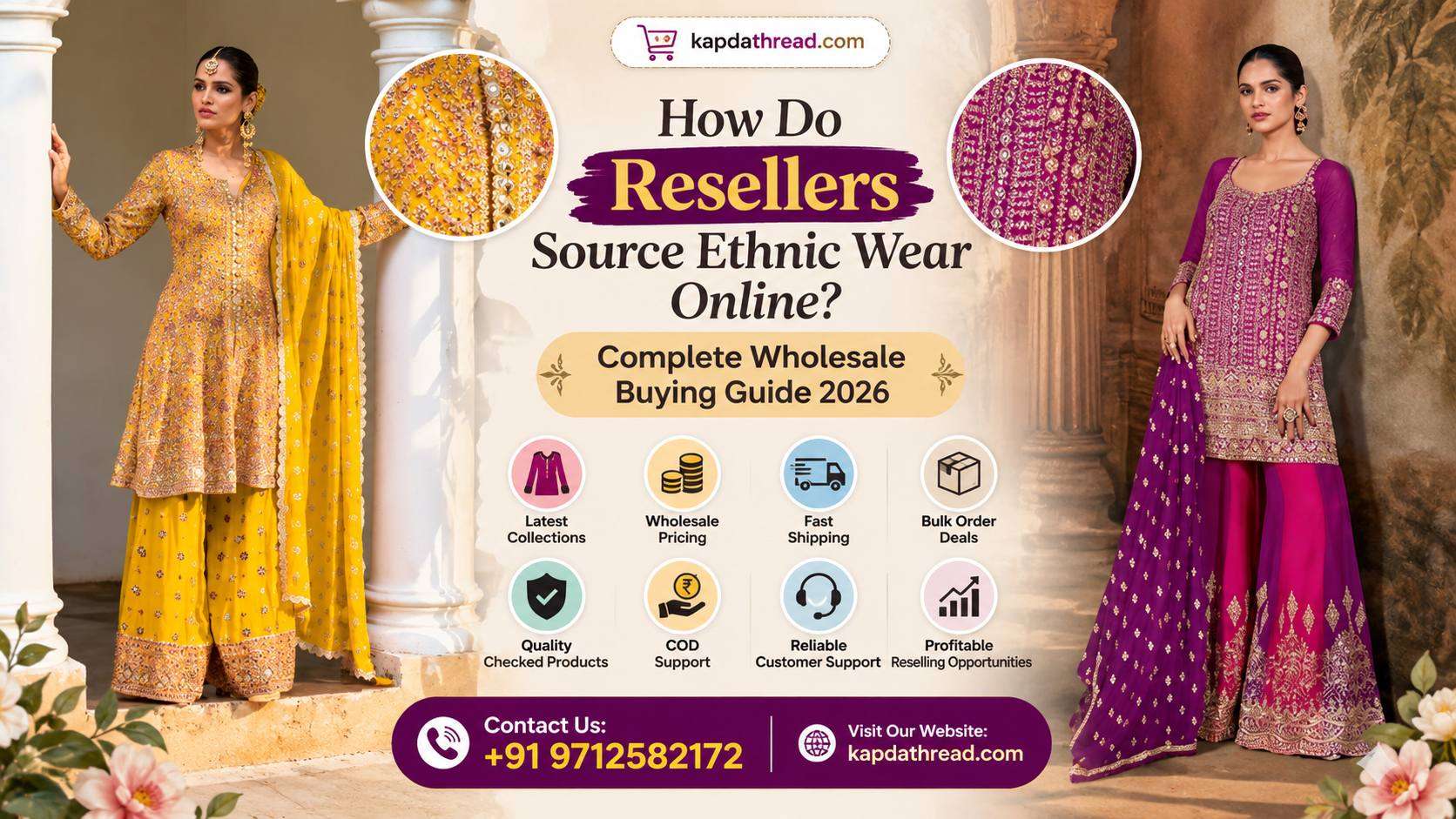
how do resellers source ethnic wear online
How Do Resellers Source Ethnic Wear Online? Wholesale Buying Guide 2026
Online sourcing has changed the way fashion resellers build their inventory. Instead of depending only on local markets or travelling repeatedly to textile hubs, home-based sellers, boutique owners, shop owners and wholesale buyers can now check new collections, compare wholesale price ranges and place bulk orders directly from their phones. For anyone planning to sell kurtis, salwar suits, Pakistani suits, dress materials and other Indian ethnic styles, choosing the right online wholesale source can make inventory buying faster, more flexible and easier to scale.
Introduction
One of the most practical questions for a new fashion business is how do resellers source ethnic wear online without buying the wrong stock or reducing their profit margin. The answer is not simply to search for the lowest price. Successful sourcing requires the right combination of product variety, wholesale pricing, quality, MOQ, stock availability, supplier reliability and shipping support.
In 2026, buyers have access to a much wider online wholesale market. A reseller in a small Indian city can source from Surat without travelling there, while an overseas buyer can explore Indian ethnic wear collections for markets such as Nepal, Australia and Malaysia. This accessibility creates opportunities for home-based sellers as well as established boutiques and showrooms.
Platforms such as kapdathread.com help buyers discover wholesale ethnic wear from the textile supply ecosystem. For a reseller, this means the sourcing process can move from searching for products to checking available designs, evaluating the buying price, selecting quantities and placing an order without depending entirely on physical market visits.
Where Resellers Buy Ethnic Wear Online in Bulk
Most serious resellers prefer sourcing from wholesalers, manufacturers, suppliers and wholesale-focused online platforms rather than ordinary retail websites. Retail pricing leaves less room for resale margins, while a genuine ethnic wear wholesale supplier is structured around bulk requirements.
Surat remains an important sourcing centre because of its large textile ecosystem. Buyers looking around the surat textile market, Ring Road and areas connected with Sahara Darwaza encounter a wide network of textile traders, manufacturers, wholesalers and distributors. Online sourcing makes products from this ecosystem accessible to buyers who cannot visit Surat regularly.
Buy Directly From Wholesale Suppliers
Direct wholesale purchasing is suitable for resellers who already understand what their customers buy. A boutique owner may require selected designer suits, while a high-volume reseller may prefer multiple catalogues covering different price segments.
Useful transactional searches include ethnic wear wholesale online, kurti wholesale supplier, salwar suit wholesale, wholesale dress material, Pakistani suit wholesale, designer kurti wholesale, women ethnic wear supplier and ladies suit wholesale online. These searches indicate a clear buying requirement rather than casual fashion browsing.
Source Through a Multi-Collection Wholesale Platform
A reseller does not always want to deal with a separate supplier for every category. A wholesale platform can make sourcing easier by bringing multiple styles and collections into one buying destination. On kapdathread.com, buyers can explore wholesale-focused products suitable for resale and compare options before deciding how to allocate their purchasing budget.
This approach can be particularly useful for home-based resellers and boutiques that want to test several categories rather than committing their complete budget to one design. A mixed inventory can include daily-wear kurtis, kurti sets, salwar suits, festive designs, Pakistani-style suits and dress materials depending on the target customer.
What Ethnic Wear Should Resellers Source Online?
The right buying mix depends on the reseller's customer profile. There is no single collection that works equally well for every market. A neighbourhood shop serving regular-wear customers needs a different inventory from an Instagram boutique selling premium festive looks.
Kurtis and Kurti Sets
Wholesale kurtis online remain a practical category because sellers can build collections across several price points, fabrics, prints and silhouettes. Straight kurtis, A-line styles, printed kurtis, embroidered kurtis, plus-size kurtis and kurti-pant sets can address different customer requirements.
Resellers should look at the complete cost rather than only the displayed product price. Fabric quality, stitching, finishing, size availability and design appeal influence whether the product can command a profitable retail price.
Salwar Suits and Designer Suit Sets
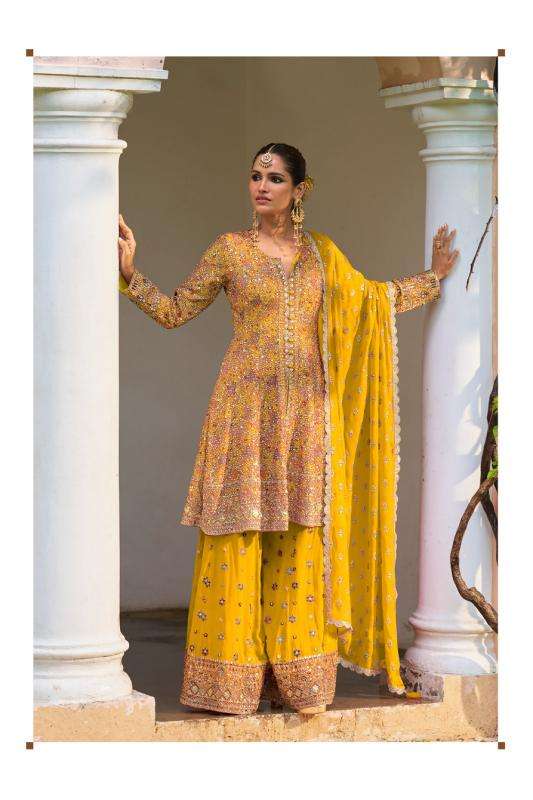
Salwar suits give boutiques an opportunity to sell complete coordinated looks. Buyers can source everyday suit sets as well as embroidered, festive and designer collections. For showroom owners, keeping both accessible and premium price bands can help serve a wider customer base.
When placing a salwar suits wholesale order, check whether the listing represents a complete set, the available sizes, fabric details and whether the design is ready-made or requires stitching. These details directly affect how the product should be marketed to the final customer.
Pakistani Style Suits
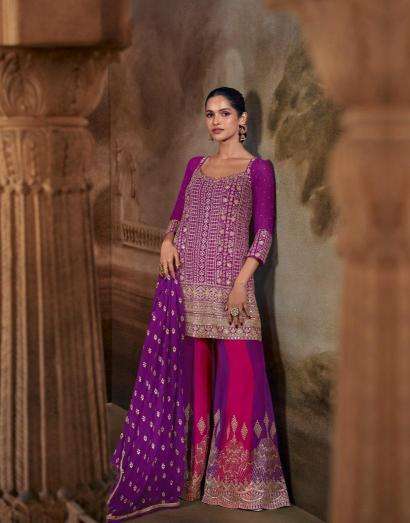
Pakistani-inspired designs continue to attract boutiques looking for longer silhouettes, coordinated bottoms, distinctive dupattas and detailed embroidery. Resellers should buy according to their actual customer profile rather than stocking a trend only because it appears popular online.
A seller targeting occasion wear may choose more detailed designs, while another business may require lighter styles suitable for regular use. This is why wholesale sourcing should begin with customer demand rather than catalogue size.
Dress Materials
Dress material wholesale remains useful for stores serving customers who prefer customised fitting. Unstitched products also allow sellers to offer fabric, design and colour choices without maintaining the same size inventory required for ready-made garments.
For wholesale buyers, combining ready-made products with selected dress materials can create a broader inventory without making every category compete for the same customer.
How to Choose an Online Ethnic Wear Supplier Before Ordering
Before placing a bulk order, resellers should evaluate the supplier as carefully as the products. A low buying price means little if the products are inconsistent or the supplier cannot provide reliable order support.
Check Product Details Before Comparing Price
Never compare two products only by their headline price. Check fabric, work, size range, set components, finishing and design. A ₹100 difference in wholesale cost may be justified when the better product offers noticeably stronger quality or higher resale potential.
Resellers should calculate their expected landed cost as well. Depending on the destination and order, this may include product cost, GST where applicable, transportation, shipping and other legitimate logistics expenses. International export orders can involve additional documentation, freight and destination-country charges.
Understand MOQ Before Building the Cart
MOQ, or minimum order quantity, affects how much capital a reseller needs for each product. Lower quantities can be useful when testing new styles, while larger purchases may make sense after a design has demonstrated consistent demand.
For a new home-based seller, buying too deeply into one design can create slow-moving stock. Established showroom owners may have enough customer volume to purchase larger quantities or complete catalogues.
Confirm Stock and Size Availability
Fashion inventory can move quickly. A catalogue visible today may not remain available indefinitely. Before completing a large purchase, confirm current availability whenever required and choose a practical size distribution based on previous customer sales.
Plus-size demand should also be treated as a separate buying opportunity rather than an afterthought. Sellers whose customers regularly request extended sizes can maintain dedicated inventory instead of losing orders because standard-size products do not cover their market.
How Resellers Can Build a Profitable First Wholesale Order
A practical first order should be diversified enough to test demand but focused enough to make selling manageable. Instead of ordering random designs, divide the budget according to customer use cases such as daily wear, office wear, festive wear, plus-size fashion and premium occasion wear.
For example, a reseller with a ₹30,000 purchasing budget does not necessarily need to invest the entire amount in one premium catalogue. The budget can be distributed across proven daily-wear products, a few higher-value designs and a smaller test quantity of emerging trends. This creates more opportunities to understand what customers actually purchase.
Buy According to Your Selling Channel
WhatsApp resellers need products that can be communicated clearly through images, descriptions and straightforward pricing. Instagram boutiques may place greater importance on visual appeal and trend-led designs. Physical stores can use customer history to decide which fabrics, colours and sizes deserve deeper inventory.
Showroom owners usually need broader variety because customers expect to compare several options before buying. Their online wholesale order may therefore include multiple categories and price bands.
Keep a Clear Resale Margin
Before clicking the buy button, calculate the expected retail selling price. Include all genuine costs and decide whether the remaining margin makes commercial sense for your business.
A product that looks inexpensive at the wholesale level may not automatically be the most profitable. Conversely, a slightly higher-priced garment with stronger visual appeal, finishing and perceived value may support a better retail margin. Smart resellers buy for sell-through potential, not simply for the cheapest possible rate.
Why Surat Is Important for Online Ethnic Wear Sourcing
Surat's textile ecosystem gives wholesale buyers access to an extensive range of women's fashion products. The commercial zones around Ring Road, the broader Surat textile market and routes near Sahara Darwaza connect buyers with a large trading and textile network.
The advantage for online resellers is that they no longer have to make a physical sourcing trip for every purchase. Digital catalogues and wholesale platforms can connect the demand side of the business with Surat's supply and manufacturing ecosystem.
This is particularly useful for buyers located outside Gujarat. A boutique in another Indian state can source according to its sales cycle instead of waiting for the next market visit. International buyers can similarly explore Indian collections remotely before arranging suitable export fulfilment.
Wholesale Experience Matters When Scaling a Reselling Business
As order volumes increase, supplier consistency becomes increasingly important. Vastralife brings wholesale and export experience since 2017, with industry knowledge built around serving fashion buyers and resellers. That experience matters when buyers are looking beyond a single purchase and want to develop a repeatable sourcing process.
Premium product quality, practical wholesale support and access to changing collections can help a reseller build greater consistency in what they offer customers. kapdathread.com provides another digital route for buyers who want to browse wholesale ethnic wear without restricting sourcing to their immediate local market.
The next stage is deciding how frequently to reorder, how to use sales data to select new products, and how online resellers can source for customers in India as well as markets such as Nepal, Australia and Malaysia.
For businesses that have already tested their first few orders, the next goal is to turn sourcing into a repeatable buying system. Instead of selecting products only because they look attractive, experienced resellers track which designs sell quickly, which sizes receive repeat enquiries, which price range converts best and which categories produce healthy margins. These records make every future wholesale purchase more focused.
Reorder Fast-Moving Designs Without Overloading Inventory
When a kurti, suit set or dress material starts generating repeat orders, the reseller should check availability early. Fast-moving ethnic wear can sell through quickly at the wholesale level, especially during festive, wedding and seasonal demand. Reordering proven products can be safer than continuously replacing successful styles with completely new designs.
At the same time, avoid putting the entire purchasing budget into one bestseller. Fashion demand changes quickly. A practical inventory strategy combines proven designs with selected new arrivals so customers continue seeing fresh options.
Use Sales Data to Decide the Next Purchase
Even a small home-based seller can maintain a simple record of product name, buying price, selling price, size, colour, quantity purchased and quantity sold. After several buying cycles, this information shows which products deserve repeat investment.
If embroidered suit sets sell faster than basic kurtis in your customer base, the next order can allocate more budget to that segment. If customers frequently ask for larger sizes, expanding into plus size kurtis wholesale can create an additional sales opportunity rather than repeatedly losing those enquiries.
Similarly, sellers receiving strong demand for coordinated and premium ethnic styles can explore wholesale Pakistani suits online as part of their next buying cycle. The objective is to let actual customer demand guide purchasing decisions.
How to Source Ethnic Wear for India, Nepal and Australia
The basic sourcing process remains similar across markets, but the final product selection and landed cost can vary. Resellers should choose inventory according to local climate, cultural occasions, customer spending range and delivery economics rather than assuming that one collection will perform identically everywhere.
Wholesale Ethnic Wear for India
India gives resellers opportunities across everyday wear, office wear, festive clothing, wedding collections and regional demand. Shop owners can maintain multiple price levels so customers can choose according to budget and occasion.
Online buyers searching for kurti wholesale India, ladies suits wholesale, ethnic wear supplier Surat, wholesale clothing for resellers and bulk ethnic wear can source without travelling for every restock. This is especially useful for retailers outside major textile hubs.
Indian Ethnic Wear for Nepal Resellers
Nepal offers demand for Indian ethnic styles across everyday, festive and occasion-based shopping. Resellers sourcing from India should calculate the complete landed cost before setting their retail price, including the applicable transport, customs, taxes and other destination-specific charges.
Because international delivery requires additional time, Nepal-based buyers should plan festive and seasonal stock earlier than domestic buyers. Buying close to the selling date can reduce the useful selling window even when the collection itself is strong.
Wholesale Indian Clothing for Australia
Resellers serving Indian and South Asian communities in Australia can build inventory around festivals, weddings, family functions and cultural events. Since international freight affects landed cost, product selection should consider both resale value and shipping efficiency.
Before placing an Indian ethnic wear export order, buyers should confirm shipping arrangements, order value, documentation and destination requirements. Export costs can vary, so the final commercial calculation should be based on the actual order rather than a generic shipping estimate.
How to Reduce Risk When Buying Ethnic Wear Online
The question how do resellers source ethnic wear online is also a question about controlling purchasing risk. Good buying is not simply finding products; it is avoiding unnecessary inventory, unclear specifications and unrealistic margin calculations.
Start With Controlled Quantities
When testing an unfamiliar category, begin with a manageable order instead of buying deeply based only on catalogue images. Once customers respond positively, repeat orders can be larger.
This approach is particularly useful for home-based sellers and new boutiques. Their first objective should be understanding demand. A smaller assortment that sells consistently can generate healthier cash flow than a large collection that remains unsold.
Check Product Specifications Carefully
Before ordering, read the available information about fabric, sizes, design, set components and product type. For ready-made products, check the size range. For suit sets, verify what is included. For dress materials, understand whether the fabric is unstitched or semi-stitched where applicable.
Do not assume details that are not stated. If a specification is important to your customer's purchase decision, confirm it before placing a significant bulk order.
Calculate the Real Buying Cost
A reseller should know the actual cost per saleable piece. Product price is the starting point, not always the final figure. Applicable taxes, freight, packaging or international shipping can affect the landed cost.
For example, if a product costs ₹600 wholesale but additional legitimate costs bring the landed value to ₹660, margin calculations should begin from ₹660. Pricing from the original ₹600 figure would give an inaccurate view of profitability.
Check the Supplier's Wholesale Focus
A supplier that regularly handles wholesale buyers generally understands requirements such as catalogue purchasing, quantities, dispatch coordination and repeat sourcing better than a consumer-focused retail seller. This becomes increasingly important as monthly order volume grows.
For buyers using kapdathread.com, the objective should be to identify products that match the store's actual customer base and then build purchasing decisions around sell-through, margin and repeat demand.
Best Buying Strategy for Home-Based Sellers and Resellers
A home-based business does not need the inventory depth of a large showroom. Its advantage is flexibility. Sellers can test collections, promote them through WhatsApp, Instagram, Facebook or their own customer groups, and increase quantities after identifying demand.
Choose a Clear Customer Segment
A seller trying to stock everything may struggle to build a recognisable product range. Instead, select a stronger buying direction such as affordable daily wear, plus-size fashion, festive suits, premium Pakistani styles, office kurtis or boutique ethnic wear.
Once the segment is established, product selection becomes easier. The seller can compare every new wholesale catalogue against a clear question: “Will my existing customers buy this?”
Mix Different Price Points
Not every customer has the same budget. Maintaining entry, mid-range and premium options can improve conversion. Lower-priced products can attract regular buyers, while detailed or premium collections can increase average order value.
The correct mix depends on the business. A value-focused reseller may allocate most inventory to affordable products, while a premium boutique can buy fewer pieces with stronger design differentiation and higher perceived value.
Keep New Arrivals Moving
Ethnic fashion customers often respond to freshness. Regular new arrivals give resellers a reason to reconnect with previous buyers. Rather than sending the same catalogue repeatedly, businesses can introduce fresh designs, colours, fabrics and seasonal collections.
This is one reason online sourcing has become practical in 2026. Resellers can check new inventory more frequently instead of waiting until they can physically travel to a wholesale market.
Wholesale Buying Strategy for Boutiques, Shops and Showrooms
Physical retailers generally need greater assortment depth because customers expect immediate choices. Their sourcing plan should balance variety with inventory turnover.
A boutique can focus on distinctive designs that are less likely to feel generic, while a high-footfall shop may need stronger quantities in commercially proven styles. Showrooms can divide purchasing by sections such as kurtis, kurti sets, salwar suits, Pakistani suits, plus-size collections and dress materials.
Plan Purchases Around Seasonal Demand
Festivals, weddings and local shopping seasons can change demand considerably. Retailers should order ahead of the selling period rather than waiting until demand has already peaked.
Seasonal buying also requires discipline. Once the peak selling period approaches its end, excessively deep purchasing can create leftover inventory. Reorder quantities should therefore reflect the remaining sales window.
Build Long-Term Supplier Relationships
As the business grows, reliable sourcing can become more valuable than continuously switching suppliers to save a small amount per piece. Consistent quality, communication, dispatch support and regular collections contribute to smoother operations.
Vastralife's wholesale and export experience since 2017 brings industry familiarity to the sourcing ecosystem, with a focus on serving buyers looking for product variety and premium product quality. For growing resellers, such industry experience can support a more structured purchasing process.
Internal Linking: Explore More Wholesale Categories
Resellers should build their inventory around categories that complement one another. A kurti-focused business can gradually introduce coordinated suit sets or occasion wear, while a boutique selling premium ethnic clothing can add selected dress materials or plus-size products according to customer enquiries.
When exploring kapdathread.com, buyers should compare collections based on their target retail price, required quantity, customer size profile and expected selling season. The goal is not to carry every available style; it is to purchase the styles most likely to convert into profitable retail sales.
Customer FAQs
1. How do resellers source ethnic wear online in 2026?
Resellers can source through wholesale-focused websites, manufacturers, textile suppliers and online wholesale platforms. Before ordering, compare product specifications, wholesale pricing, MOQ, size availability, shipping and the supplier's ability to support repeat orders.
2. Can a home-based seller buy ethnic wear at wholesale prices?
Yes. Home-based sellers can purchase wholesale products when they meet the supplier's applicable minimum-order requirements. Starting with controlled quantities across a few relevant styles can help test customer demand before increasing inventory.
3. Which ethnic wear categories are suitable for reselling?
Popular wholesale categories include kurtis, kurti sets, salwar suits, Pakistani-style suits, dress materials, embroidered ethnic wear, festive collections and plus-size clothing. The right category depends on the reseller's customer base and target retail price.
4. Is Surat a good place to source ethnic wear wholesale?
Surat has a large textile trading and manufacturing ecosystem, including commercial areas around Ring Road and the broader textile markets near Sahara Darwaza. Online sourcing allows buyers outside Surat to access products from the city's wholesale supply network without making a physical trip for every purchase.
5. Can wholesale ethnic wear be sourced for export?
Yes, Indian ethnic wear can be sourced for international markets, subject to supplier serviceability and applicable shipping, customs, tax and documentation requirements. Buyers in markets such as Nepal, Australia and Malaysia should calculate landed costs before deciding their resale price.
6. How should a reseller calculate profit before ordering?
Start with the wholesale buying price and add applicable taxes, shipping, packaging and other legitimate costs. Compare the resulting landed cost with the expected retail selling price. Also account for operating and marketing expenses when evaluating the actual margin.
7. Should a new reseller buy complete catalogues or mixed designs?
That depends on supplier terms and the business model. New sellers often benefit from controlled inventory where possible, while established retailers with proven demand may purchase deeper quantities or full catalogues. Always confirm the supplier's current MOQ and catalogue conditions before ordering.
8. How often should an ethnic wear reseller purchase new stock?
There is no fixed schedule. Reorder according to sales velocity, available cash flow, stock levels and seasonal demand. Fast-selling products may require frequent replenishment, while experimental collections should generally be reviewed before additional quantities are purchased.
Source Ethnic Wear Online for Your Reselling Business
For anyone asking how do resellers source ethnic wear online, the most sustainable approach is straightforward: understand your customer, select a reliable wholesale source, compare complete costs, begin with sensible quantities and reorder according to actual sales.
Whether you are a home-based seller, boutique owner, shop owner, showroom owner, reseller or wholesale buyer, kapdathread.com can be used to explore wholesale ethnic wear and new product opportunities for your business.
Explore Latest Collections, competitive Wholesale Pricing, Trendy Ethnic Wear, Fast Shipping, available COD Support, Bulk Order Deals and Quality Products Starting From ₹299. Product availability, prices, COD eligibility, MOQ and shipping terms should be confirmed for the specific order at the time of purchase.
Ready to source your next wholesale collection?
Contact: +91 9712582172
Website: kapdathread.com
Build your inventory around products your customers genuinely want, keep your buying decisions connected to real sales data, and use each wholesale order to create a stronger and more scalable reselling business.