
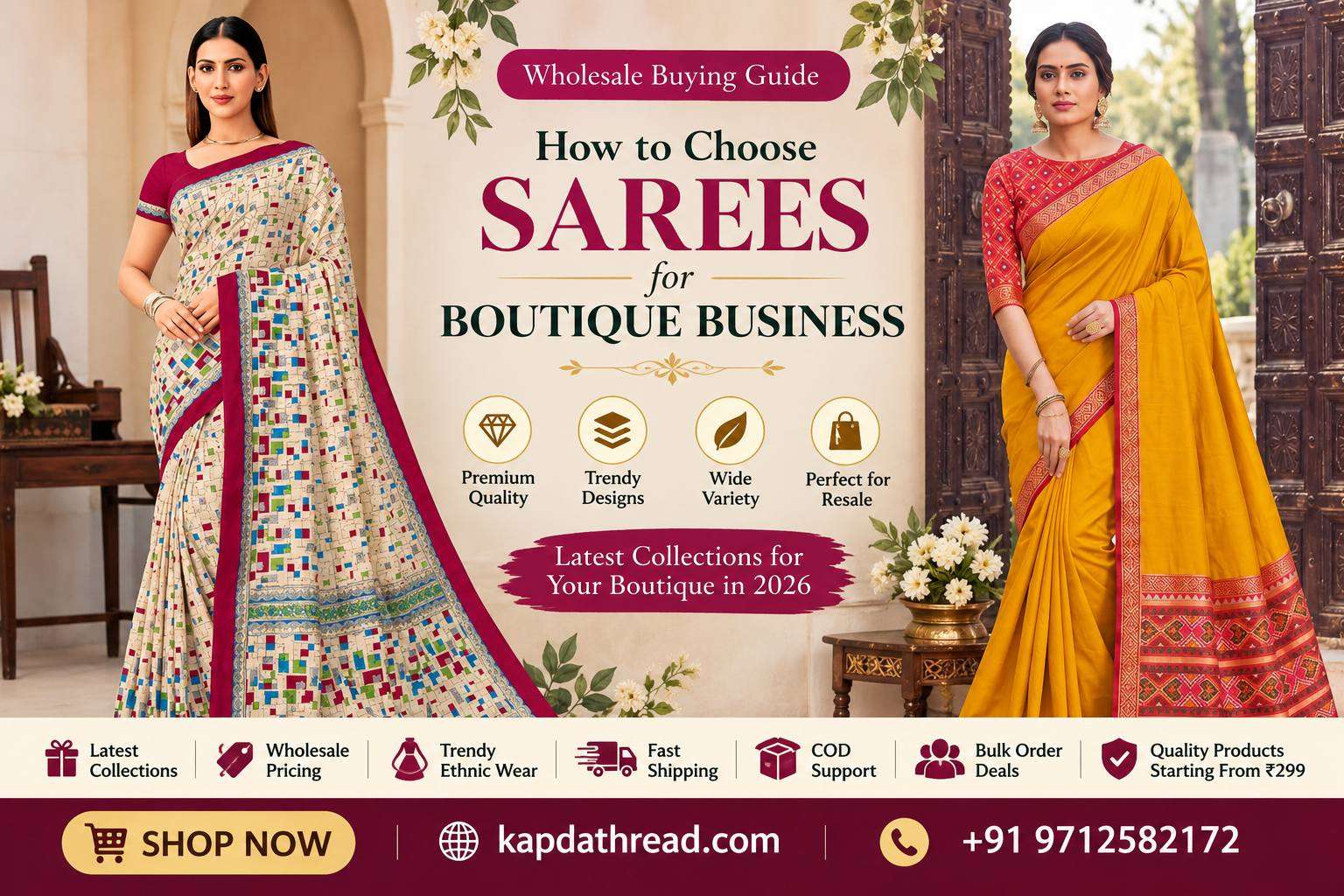
how to choose sarees for boutique business
How to Choose Sarees for Boutique Business in 2026 – Wholesale Buying Guide
A successful boutique collection is not built by purchasing every attractive saree that appears in a wholesale catalogue. The real advantage comes from selecting products that fit your customer profile, retail price range, local demand and brand positioning. Whether you run a physical boutique, sell from home, manage a showroom or take orders through Instagram and WhatsApp, thoughtful wholesale buying can help you create a distinctive collection while keeping inventory moving.
Introduction
Understanding how to choose sarees for boutique business becomes especially important when customers have access to hundreds of designs online. In 2026, a boutique cannot depend only on having more products. It needs the right products: sarees that look attractive, offer suitable quality, fit the expected price range and give customers a reason to buy from that particular seller.
For boutique owners, home-based sellers, shop owners, showroom owners, resellers and wholesale buyers, purchasing decisions directly affect both profit and cash flow. Buying too many expensive sarees can lock up working capital. Buying only low-priced stock can make a boutique look ordinary. Purchasing too many similar designs can reduce variety even when the total number of pieces is high.
A balanced approach is therefore essential. Sellers sourcing from the surat textile market can access a broad range of fabrics, designs and wholesale segments through the textile ecosystem around Ring Road, Sahara Darwaza and other important sourcing areas. The goal is to convert this huge selection into a focused boutique assortment rather than buying randomly.
Buyers exploring kapdathread.com can approach wholesale sourcing with the same principle: choose according to the customer you want to sell to, not simply according to what catches your attention first.
Start With Your Boutique Customer Before Choosing Sarees
The first rule of boutique buying is simple: know who will wear the sarees you are purchasing. A boutique serving young working women may require a different assortment from a store focused on weddings and traditional occasions. Similarly, a home-based reseller selling mainly through WhatsApp may need different price points from a premium showroom.
Define Your Customer's Spending Range
Before placing a wholesale order, identify the retail price bands that generate the most sales in your business. If most customers prefer affordable and mid-range products, purchasing too many premium designer sarees can create slow-moving inventory.
A boutique can create three practical segments: an accessible range for regular purchases, a stronger mid-range for fashionable and festive buying, and a selective premium range for customers who want distinctive products.
This structure gives customers choices without turning the store into an unplanned mix of unrelated merchandise.
Understand the Occasion Your Customer Is Shopping For
Different occasions create different purchase intentions. Daily and office wear buyers may prefer lightweight, comfortable sarees with practical styling. Festive shoppers often look for richer colours and decorative detailing. Wedding customers may prioritise premium fabrics, embroidery, borders and an overall luxurious appearance.
When learning how to choose sarees for boutique business, divide your expected sales between regular wear, festive wear, party wear and wedding collections. Your wholesale purchasing quantities can then follow actual demand.
Consider Age Group and Style Preference
A younger audience may respond strongly to contemporary prints, stylish colour combinations, lightweight fabrics and modern blouse concepts. Customers seeking traditional looks may prefer classic borders, woven styles and familiar festive colours.
A boutique serving multiple age groups should not force every customer into one fashion direction. Maintain enough diversity while preserving the overall identity of your store.
Choose a Balanced Wholesale Saree Collection
A profitable wholesale sarees for boutique purchase should contain enough variation to serve different customer requirements without becoming chaotic. Instead of buying ten catalogues that look almost identical, choose categories that perform different roles in your inventory.
Printed Sarees for Regular Boutique Sales
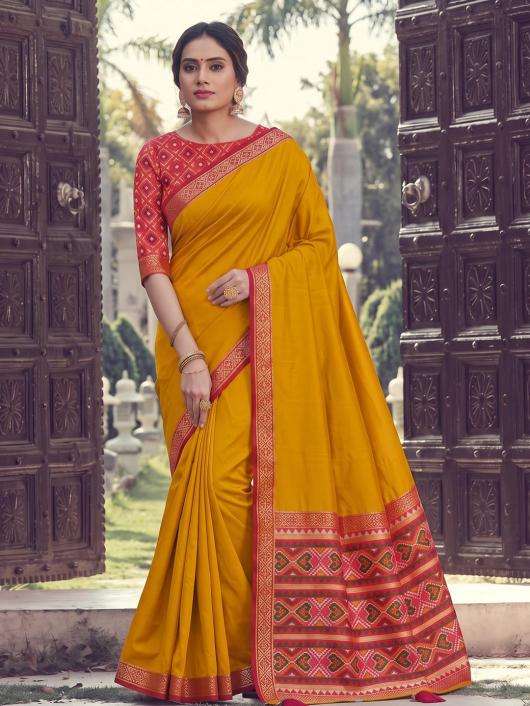
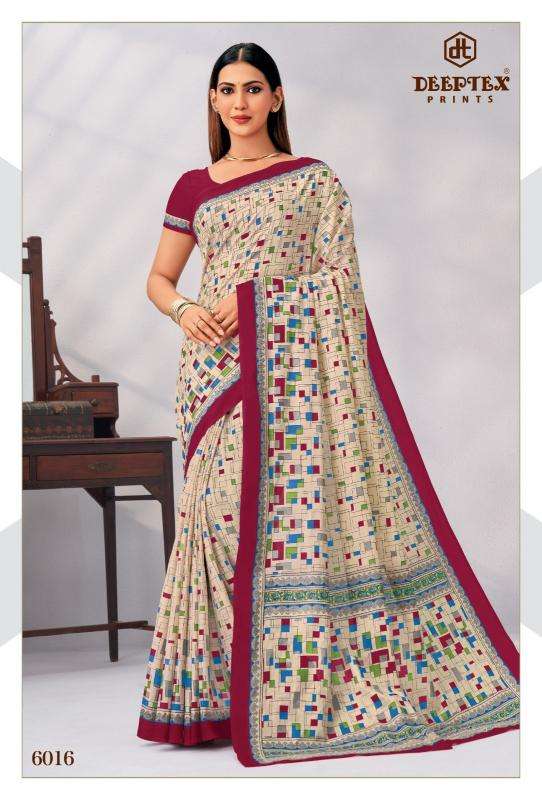
Printed sarees wholesale collections can provide a practical base for boutique inventory. Floral prints, contemporary patterns, traditional motifs and abstract designs offer frequent opportunities to introduce fresh stock.
Printed sarees can also be easier to promote regularly through Instagram, Facebook and WhatsApp because new patterns give customers a reason to check your updates. A boutique can keep selected prints in affordable and mid-range segments while reserving premium shelf space for more detailed products.
Georgette Sarees for Fashion-Oriented Buyers
Georgette sarees wholesale collections can work well when customers prefer lightweight, fashionable and easy-to-style products. Printed georgette sarees can serve regular fashion demand, while embroidered or embellished varieties can move into festive and party-wear segments.
For digital selling, georgette sarees can also be visually effective in model shoots and short videos because the drape and movement of the fabric can be shown clearly.
Designer Sarees for Boutique Positioning
A carefully selected designer sarees wholesale range can differentiate a boutique from sellers competing only on low prices. These pieces do not necessarily need to dominate inventory. Even a smaller selection of distinctive designs can improve the premium appearance of the overall collection.
Look for products where fabric, colour, blouse combination, border and decorative work come together naturally. A high wholesale cost alone does not make a saree suitable for a boutique. It must provide visible value that the final customer can recognise.
Party Wear Sarees for Occasion-Based Orders
Party wear sarees wholesale selections can target customers shopping for receptions, festive events, family functions and celebrations. Sequins, embroidery, elegant borders and fashionable blouse designs can add stronger visual appeal.
However, party wear should be selected according to your customer base. A boutique focused on subtle styling may perform better with elegant detailing, while another market may respond strongly to heavier work and brighter colours.
Check Fabric and Quality Before Focusing on Price
Price matters in wholesale purchasing, but the cheapest product is not automatically the most profitable. A boutique builds its reputation through the customer's complete experience. If the saree looks significantly different after delivery or the finishing does not match expectations, the immediate saving at the buying stage can become expensive later.
When selecting boutique sarees wholesale, examine the fabric category, border finishing, print clarity, embroidery quality, colour combination, blouse piece and overall presentation. The standard should match the segment in which the product will eventually be sold.
Match Quality With Your Retail Positioning
An affordable saree should offer dependable value for its segment, while a premium saree must justify a higher retail price through visible fabric and design quality. This alignment makes it easier for sales staff or online resellers to explain the product to customers.
Vastralife’s wholesale and export experience since 2017 brings practical industry expertise in women’s ethnic wear sourcing. This experience highlights an important buying principle: premium product quality and the correct product-to-customer match are essential for building repeat business.
Do Not Judge a Catalogue Only From the Cover Design
A catalogue cover is designed to attract attention, but boutique buyers should evaluate the complete range. Look at how many designs you would genuinely feel confident showing to your customers. A catalogue with one outstanding design and several weak pieces may not provide the same value as a consistently wearable collection.
When buying online, review available product photographs and details carefully. The objective is to understand what you are purchasing before calculating potential margins.
Use Surat Textile Market Sourcing to Build a Better Boutique Range
The surat textile market gives wholesale buyers access to a large textile ecosystem covering sarees, dress materials, kurtis and numerous other ethnic wear categories. The trading and manufacturing network around Ring Road and Sahara Darwaza is particularly relevant for buyers searching for variety and regular new collections.
For boutique owners, the advantage is not simply having access to thousands of products. The real opportunity lies in filtering this supply and purchasing only those designs that fit the boutique's positioning.
Look for Repeatable Sourcing, Not One-Time Buying
A boutique grows more smoothly when sourcing becomes a regular process. Instead of making one huge purchase and waiting for everything to sell, owners can monitor inventory and introduce fresh products at planned intervals.
Regular sourcing also allows a seller to react to changing demand. If customers suddenly respond strongly to a particular fabric, colour or style, the next buying cycle can be adjusted accordingly.
Compare Wholesale Value, Not Just Wholesale Price
Two sarees with similar wholesale prices can create completely different business results. One may have better presentation, stronger customer appeal and faster stock movement. The other may remain unsold even after discounting.
When sourcing through kapdathread.com, buyers should consider product relevance, quality, selling potential and wholesale pricing together. This approach is more useful than selecting inventory based exclusively on the lowest available rate.
Plan Your Boutique Inventory According to 2026 Demand
Fashion moves quickly, but boutique buying should not become a race to purchase every new trend. The stronger strategy for how to choose sarees for boutique business is to combine current styles with products that have dependable selling potential.
A practical inventory can include evergreen designs, fresh seasonal collections and selected trend-driven products. This reduces dependence on a single fashion cycle while still giving customers something new.
Keep Evergreen Sarees as the Foundation
Some customers want wearable sarees rather than experimental fashion. Comfortable fabrics, elegant prints, classic colour combinations and versatile designs can provide consistent sales throughout the year.
These products can form the foundation of your collection, particularly if your boutique serves repeat local customers.
Use Trending Sarees to Create Attention
Trending sarees 2026 can help boutiques create fresh social media content and attract customers looking for newer designs. Fashionable prints, updated colour combinations, modern borders and contemporary styling can be used strategically rather than replacing the entire inventory.
New arrivals are particularly useful for Instagram reels, WhatsApp status updates and catalogue sharing. Even existing customers may return when they regularly see something different.
Plan Festive and Wedding Purchases in Advance
Festive and wedding collections should reach your boutique early enough for photography, promotion, customer inquiries and final sales. Waiting until demand has already peaked can reduce the useful selling period.
For wholesale buyers handling export orders to markets such as Singapore, Canada and Nepal, advance purchasing becomes even more important because international shipping time and destination demand need to be considered.
Calculate Boutique Margin Before Increasing Purchase Quantity
One of the most important parts of wholesale buying is knowing the real margin available after all expenses. Wholesale price is only the beginning. Packaging, shipping, marketing, payment collection and operational expenses can affect the actual profit earned on every saree.
A product with a slightly higher purchase value can sometimes be more profitable if customers buy it quickly without heavy discounting. This is why inventory movement should be tracked alongside gross margin.
Test Before Buying Deeper Quantities
Home-based sellers and smaller boutiques can reduce risk by testing customer response before increasing quantities. When a particular fabric, print or colour family repeatedly generates orders, similar designs can be added in the next buying cycle.
This demand-led approach helps preserve working capital and keeps the boutique's collection closer to what customers actually want.
Avoid Overbuying Similar Designs
Ten sarees can technically be different while still looking almost identical to customers. Too much similarity reduces the perceived variety of the boutique and increases the risk of slow stock.
Choose complementary designs instead: different colour moods, fabric options, price bands and occasion categories. This makes a smaller inventory feel much broader and more useful.
Choose Sarees According to Your Boutique Selling Channel
The way you sell should influence the way you buy. A customer walking into a physical boutique can touch the fabric and examine the saree closely, while an Instagram or WhatsApp customer makes a decision largely from photographs, videos, descriptions and trust. For this reason, boutique sarees wholesale purchasing should also consider how easily each product can be presented through your primary sales channel.
Sarees for Instagram and WhatsApp Selling
For social selling, choose designs that create immediate visual impact. Attractive colours, visible borders, distinctive prints and clearly noticeable detailing generally make it easier to produce engaging product content. A saree that photographs beautifully can generate inquiries before the customer asks about every technical detail.
Short videos can show the pallu, border, blouse piece and overall drape. This is particularly useful for georgette sarees wholesale, designer pieces and party wear collections where movement and detailing are important parts of the product.
Sarees for Physical Boutique Customers
For a physical store, appearance still matters, but customers can also evaluate fabric feel and finishing directly. This makes consistency in quality especially important. Keep a mixture of products customers can purchase quickly and selected premium pieces that give your boutique a distinctive identity.
Arrange products by category or price range rather than mixing everything together. When customers can easily compare regular wear, festive designs and premium sarees, your team can guide them toward the right purchase more efficiently.
Sarees for Showroom and Multi-Channel Selling
Showroom owners who sell both offline and online can maintain a broader assortment. The strongest visual pieces can be promoted digitally, while additional designs remain available for customers who visit the showroom.
This hybrid model can also help move inventory faster because one product can be offered through several channels instead of depending entirely on walk-in customers.
Build a Collection for Domestic and Export Customers
A boutique sourcing from India does not necessarily need to limit itself to local customers. Wholesale and export opportunities can allow suitable collections to reach overseas retailers, resellers and Indian ethnic wear customers.
For markets such as Singapore, Canada and Nepal, product selection should reflect the actual audience rather than assuming the same collection will perform equally everywhere. Festive calendars, weather, customer budgets, community preferences and occasion-based demand can influence purchasing.
Choose Export Stock With Landed Cost in Mind
International selling requires more than calculating the Indian wholesale price. Shipping, packing and other applicable costs can affect the final landed value. The product should still offer enough value and selling margin after these expenses are included.
This is particularly important when purchasing premium collections. A saree may have excellent quality, but if the final landed cost pushes it outside the target customer's budget, the stock can become difficult to move.
Confirm Quantity Before Promoting Large Orders
For larger wholesale and export requirements, stock availability should be confirmed before committing to customers. This becomes especially important when boutiques, retailers or resellers want multiple pieces from the same catalogue.
Reliable purchasing and clear communication can help businesses avoid promoting collections that cannot be supplied in the required quantity.
Internal Linking Section: Expand Your Boutique Sourcing
A saree boutique can become stronger when purchasing decisions are connected to a broader ethnic wear strategy. Buyers looking for dependable sourcing can explore a saree manufacturer in Surat to identify collections suited to boutique, reseller and wholesale requirements.
As your customer base expands, related ethnic wear can also create additional sales opportunities. Boutique owners who receive demand beyond sarees can explore dress materials wholesale collections and gradually add categories according to actual customer requests.
The important point is to expand with purpose. Adding products simply because they are available can dilute your boutique identity. Introduce related categories only when they complement your existing customers and create realistic cross-selling opportunities.
How to Choose Sarees for Different Boutique Price Segments
Another practical part of understanding how to choose sarees for boutique business is deciding how much inventory to keep at each selling level. A boutique with only premium products can lose value-conscious buyers, while a store filled only with inexpensive sarees may struggle to attract customers looking for something special.
Affordable Saree Segment
The affordable segment can help generate regular transactions and attract new customers. Look for wearable colours, attractive prints and clean finishing at practical wholesale rates. These products can work especially well for home-based sellers and resellers whose customers make frequent purchases.
Affordable collections can also be useful for social media promotions because an appealing entry price can encourage first-time inquiries. The objective should still be good value rather than choosing products solely because they are inexpensive.
Mid-Range Boutique Segment
The middle segment can become one of the most useful categories for many boutique businesses. Customers often want something more fashionable than basic daily wear but may not want to spend at a premium designer level.
Stylish prints, elegant georgette sarees, festive designs and selected embellished pieces can work well here. A strong mid-range assortment gives sales teams multiple options when customers ask for a combination of quality, style and reasonable pricing.
Premium and Designer Segment
Premium products should be selected more carefully because they require higher investment. Instead of buying a large quantity immediately, choose distinctive products that genuinely improve your boutique presentation.
Designer sarees wholesale purchases should offer noticeable value through fabric, work, colour, border, blouse styling or overall exclusivity. Customers paying a higher amount should be able to understand why the product belongs in a premium segment.
Use Sales Data to Improve Every Wholesale Purchase
Experienced boutique buying becomes easier when decisions are based on previous sales rather than memory alone. Maintain a simple record of which fabrics, colours, price ranges and styles sell quickly.
If printed sarees repeatedly perform well while a certain premium category moves slowly, the next wholesale purchase should reflect that pattern. Similarly, if customers frequently ask for a product you do not stock, that demand can guide the next buying cycle.
Track Sell-Through Instead of Only Total Sales
Suppose you purchase 20 pieces from one category and sell 15 quickly, while another category sells 10 pieces but required an initial purchase of 50. Looking only at total sales can hide which category is actually performing better.
Tracking how much of each purchase sells within a defined period gives a clearer picture of inventory efficiency. This can be particularly useful for boutique owners managing limited working capital.
Identify Repeatable Winners
A successful design can reveal more than one opportunity. Look at why customers purchased it. Was it the fabric, colour, border, price point, print or overall styling? Use that information when selecting the next collection.
This does not mean repeatedly buying identical sarees. Instead, find new designs carrying the same characteristics customers have already demonstrated they like.
Common Wholesale Buying Mistakes Boutique Owners Should Avoid
Even attractive products can become poor business purchases when buying decisions are not connected to customer demand. Avoiding a few common mistakes can make inventory healthier and improve cash rotation.
Buying According to Personal Taste Only
A boutique owner's personal fashion sense can help with curation, but the final inventory must appeal to paying customers. Your favourite colour or design may not be what your market buys most frequently.
Use personal judgement together with customer feedback and actual sales data. This creates a stronger balance between boutique identity and commercial demand.
Buying Too Much Stock at Once
Large quantities can appear attractive when wholesale rates improve, but unsold inventory has a cost. Capital tied up in slow products cannot be used for fresh arrivals.
Buy deeper quantities after identifying proven sellers. For new designs, a controlled test can provide useful information before increasing investment.
Competing Only on Lowest Price
There will almost always be another seller offering something cheaper. A boutique can instead compete through curation, quality, presentation, service and product freshness.
Customers who trust your selections may value the convenience of receiving carefully chosen designs rather than searching through hundreds of similar products themselves.
Ignoring Product Photography and Presentation
A premium saree can appear ordinary when presented poorly. Clear photographs, realistic colours, close-up details and useful videos make online buying easier and can reduce unnecessary customer questions.
For printed sarees wholesale and party wear sarees wholesale, show enough of the complete product for customers to understand the pattern and work instead of relying only on one model photograph.
Why Regular New Arrivals Matter for Boutique Growth
Customers often return to boutiques because they expect to discover something new. Regular arrivals can create this sense of freshness without requiring a complete inventory replacement every week.
A controlled buying schedule can work better than purchasing huge quantities at irregular intervals. It allows the boutique to introduce new collections while keeping capital available for upcoming trends and seasonal demand.
Turn Every New Collection Into Marketing Content
A new wholesale purchase can provide multiple pieces of content. One collection can be introduced through a reel, product carousel, WhatsApp status, customer broadcast and individual product posts.
Instead of posting only “new arrival,” highlight useful selling points such as fabric, occasion, available colours or attractive price range. This gives customers more reasons to inquire.
Create a Reason for Existing Customers to Return
Repeat customers already know your service and product quality. Regularly introducing new stock gives them a reason to revisit your page, group or store.
For a boutique, repeat customers can become particularly valuable because acquisition does not begin from zero every time. Good product quality, reliable communication and fresh inventory can work together to strengthen retention.
Customer FAQs
1. How to choose sarees for boutique business in 2026?
Start with your target customer's budget, age group, occasion and style preference. Build a balanced assortment of printed, georgette, party wear, festive and selected designer sarees. Compare wholesale price, quality and likely selling margin before deciding quantities.
2. Which sarees are best for a new boutique?
A new boutique can begin with affordable printed sarees, lightweight fashionable designs, georgette sarees, selected festive products and a smaller premium range. The exact mix should depend on local and online customer demand.
3. Where can I buy wholesale sarees for my boutique?
Wholesale buyers can explore collections through kapdathread.com and source according to their required segment. Surat's textile and manufacturing ecosystem is also widely used by retailers and resellers looking for regular ethnic wear collections.
4. How much stock should a home-based saree seller buy?
There is no universal quantity that works for every seller. Home-based sellers can begin with manageable stock across different styles and analyse customer response before increasing purchasing quantities. This helps reduce the risk of capital being blocked in slow-moving inventory.
5. Are georgette sarees good for boutique selling?
Yes. Georgette sarees wholesale collections can work across printed, fashionable, festive and party-wear segments. Choose the design and wholesale range according to your customer's expected retail budget.
6. How do I decide the retail price of wholesale sarees?
Include wholesale product cost, shipping, packaging, marketing, payment-related expenses and your required profit margin. Your retail price should remain suitable for your target market while providing enough margin to operate sustainably.
7. Can boutique owners buy sarees for export?
Yes. Suitable saree collections can be sourced for overseas retail and wholesale requirements. International buyers should consider destination demand, quantities, shipping, packing and final landed cost before confirming an export order.
8. Why is Surat popular for wholesale saree sourcing?
The surat textile market has a large textile trading and manufacturing ecosystem with access to diverse designs and price segments. Areas around Ring Road and Sahara Darwaza are closely associated with textile wholesale activity.
Buy Sarees for Your Boutique With a Smarter Wholesale Strategy
A strong boutique does not need every saree available in the market. It needs a carefully selected collection that fits its customers, selling prices and brand identity. Combine fast-moving products with fresh trends and selective premium pieces, monitor what actually sells and use that information to improve every future purchase.
With wholesale and export experience since 2017, Vastralife brings industry expertise focused on practical ethnic wear sourcing and premium product quality. Whether you are a home-based seller, boutique owner, shop owner, showroom owner, reseller or wholesale buyer, the aim should be sustainable inventory rotation rather than simply increasing stock.
Explore Latest Collections, get Wholesale Pricing, discover Trendy Ethnic Wear, benefit from Fast Shipping, check available COD Support, ask for Bulk Order Deals and explore Quality Products Starting From ₹299.
Contact: +91 9712582172
Website: kapdathread.com
Visit kapdathread.com for wholesale sourcing and build your 2026 boutique collection around products your customers are ready to buy. The right combination of quality, price, fresh designs and disciplined purchasing can help turn every new collection into a stronger selling opportunity.