
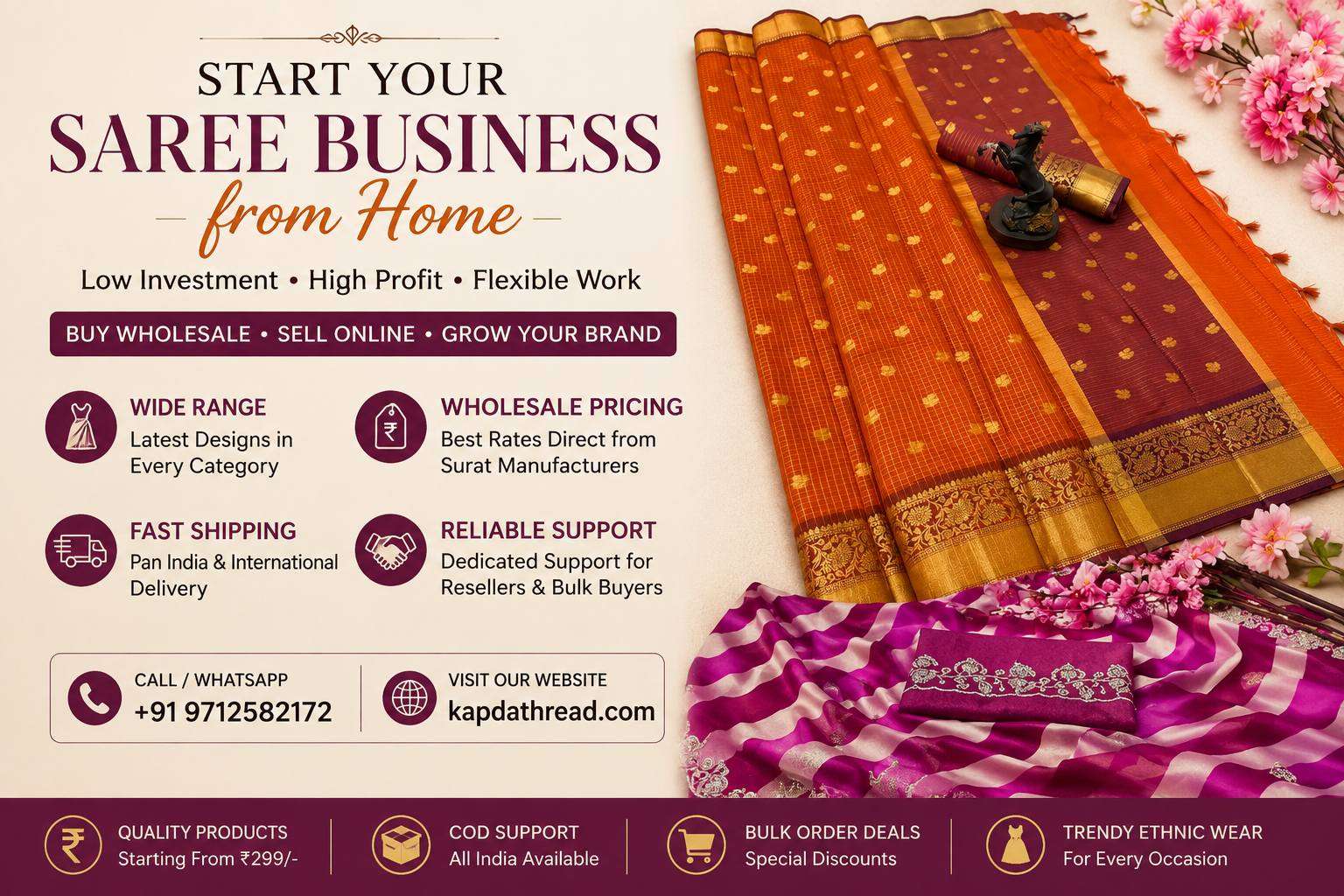
How to Start Saree Business from Home
How to Start Saree Business from Home in 2026 – Wholesale Buying Guide
Starting a saree-selling venture from your own home can be a practical way to enter the Indian ethnic wear market without investing heavily in a physical showroom. With direct access to Surat suppliers, digital catalogues, WhatsApp selling, Instagram marketing and nationwide shipping, even a small seller can build a professional retail operation. The key is to purchase the right designs at competitive wholesale rates, maintain a focused inventory and work with suppliers capable of providing regular new collections.
Introduction
If you are planning how to start saree business from home, your first priority should be building a reliable purchasing system rather than buying a huge quantity of stock. A home-based business can begin with a carefully selected assortment and expand as customer demand becomes clearer.
In 2026, customers are discovering ethnic wear through Instagram Reels, Facebook, WhatsApp, online marketplaces and direct seller recommendations. This has created opportunities for home-based saree sellers who can show fresh products online without paying the overhead expenses associated with a large retail store.
Surat remains an important sourcing destination because of its textile ecosystem, including fabric processing, designing, trading, manufacturing, packaging and distribution. Buyers searching the surat textile market frequently explore areas around ring road and sahara darwaza for sarees and other women's ethnic wear.
However, travelling to Surat for every purchase is not practical for every reseller. Platforms such as kapdathread.com can help buyers explore wholesale collections remotely and source merchandise according to their business requirements.
Why Start a Saree Business from Home?
A saree business offers flexibility because the product appeals to multiple customer segments. Daily-wear sarees, printed sarees, festive sarees, wedding collections, traditional styles and designer varieties can all serve different purchasing occasions.
Lower Business Overheads
A traditional showroom may involve rent, interior expenses, staff salaries, electricity, fixtures and maintenance. A saree business from home can reduce many of these fixed costs. The saved amount can instead be invested in inventory, product photography, packaging and advertising.
This makes the model particularly suitable for Home-Based Sellers and new Resellers who want to test demand before making a larger investment.
Flexible Inventory Selection
You do not need hundreds of sarees to begin. A focused selection covering different designs, colours and price points can give customers enough variety while keeping your initial investment controlled.
As sales data develops, you can reorder categories that perform well and reduce purchases from slower segments. This stock rotation approach can be safer than purchasing large quantities simply because a catalogue appears attractive.
Multiple Selling Channels
Home sellers are no longer dependent on neighbourhood customers alone. Products can be marketed through WhatsApp Status, WhatsApp groups, Instagram, Facebook, personal networks and repeat-customer referrals.
A seller can therefore source products at a wholesale saree price and create a retail margin based on local competition, shipping expenses, packaging and customer profile.
Choose Your Saree Customer Before Buying Stock
One of the most important decisions when learning how to start saree business from home is deciding who you intend to sell to. Buying first and identifying customers later can create unnecessary inventory.
Budget and Daily-Wear Customers
Customers purchasing frequently for everyday use generally look for comfortable fabrics, easy maintenance and reasonable pricing. Printed sarees, lightweight sarees and practical designs can be considered for this segment.
A broader selection within an accessible retail range can help encourage repeat purchases. Sellers should nevertheless inspect fabric quality, colour combination and finishing rather than selecting products only because they are inexpensive.
Festive and Occasion Buyers
Festivals and family functions create opportunities for richer colours, decorative borders, elegant prints, woven designs and dressier sarees. Seasonal buying can become an important revenue source for home sellers.
Instead of stocking the same products throughout the year, plan inventory around upcoming occasions. This can include Navratri, Durga Puja, Diwali, wedding periods and other regional festivals relevant to your customer base.
Boutique and Premium Customers
Customers purchasing from boutiques usually expect more distinctive products. Boutique Owners can concentrate on premium-looking designs, sophisticated colour palettes and sarees that are less commonly available in mass retail outlets.
The objective is not necessarily to buy the most expensive catalogue. A visually premium saree purchased at a competitive wholesale rate can provide better selling potential and margin.
Best Saree Categories for a Home-Based Business
Rather than purchasing random catalogues, build a structured product mix. Your selection can include wholesale sarees for daily wear, office wear, festive occasions and premium customers.
Printed Sarees
Floral, abstract, traditional and contemporary prints can be useful for sellers targeting a broad audience. Attractive printed sarees are also easier to present through social media because customers can quickly understand the overall design from photographs and short videos.
Cotton and Cotton-Blend Sarees
Comfort-oriented sarees can create repeat demand, especially among customers purchasing for regular use. Before ordering, compare fabric feel, transparency, colour quality, blouse piece details and washing requirements.
Designer and Festive Sarees
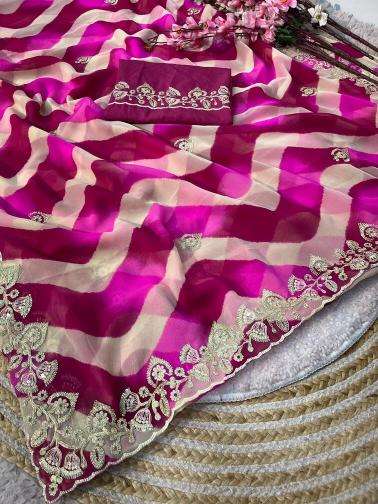
Designer sarees can provide higher-value selling opportunities during festivals, weddings and celebrations. Embroidery, attractive borders, woven details and elegant colour combinations can help create a premium presentation.
Traditional and Regional Designs
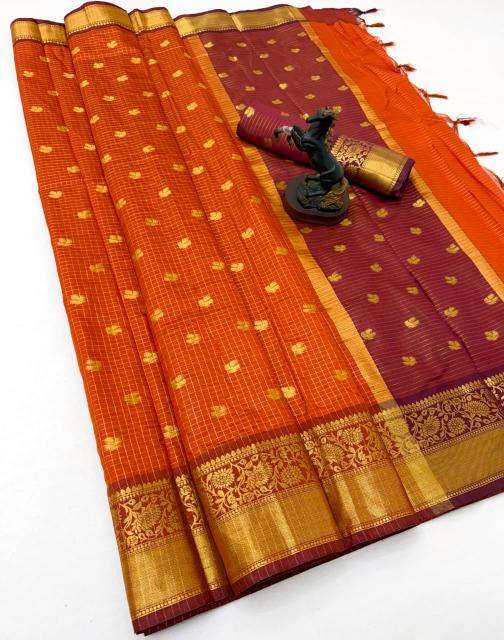
Traditional designs can be important when selling to customers who prefer culturally familiar products. Depending on your market, you can experiment with Bandhani-inspired patterns, Patola-style designs, Banarasi looks and other regional aesthetics.
The right wholesale saree supplier in India should ideally give you enough variety to test multiple segments instead of forcing your entire business into one product category.
How to Source Sarees from Surat Wholesale Markets
Surat has built a strong position in India's textile supply chain because several stages of textile production and distribution operate within the city. For retailers and Wholesale Buyers, this creates access to a large variety of products and frequent catalogue launches.
Understand the Surat Textile Ecosystem
The surat textile market is not one single shop or building. The broader trading ecosystem includes manufacturers, wholesalers, agents, distributors and textile markets concentrated around major commercial areas.
Ring Road is widely associated with textile trading, while the Sahara Darwaza side provides access to a large commercial textile zone. A new buyer should therefore focus less on simply finding the cheapest shop and more on identifying suppliers capable of maintaining dependable quality and regular stock availability.
Compare Product Value, Not Only Price
A low purchase rate does not automatically mean better profit. Suppose one saree is inexpensive but difficult to sell because the photograph, fabric or colour combination is weak. Another slightly higher-priced product may sell faster because it looks more attractive to customers.
Home sellers should evaluate the complete commercial equation: purchase cost, shipping, packaging, advertising, potential return issues and expected retail selling price.
This is especially important when buying sarees wholesale online, because the objective should be profitable stock turnover rather than simply accumulating inexpensive inventory.
How Much Investment Is Needed to Start?
There is no universal investment amount suitable for every saree seller. Your capital should depend on the number of customers you already have, target retail range, supplier MOQ, product category and whether you intend to keep physical stock.
Start with a Controlled Product Mix
Instead of investing your entire budget in one expensive catalogue, consider dividing your initial inventory among different customer needs. For example, you might combine budget-friendly pieces with mid-range designs and a smaller number of premium sarees.
This provides a practical way to discover which segment generates inquiries and conversions.
Keep Working Capital Available
A common mistake is spending nearly all available capital on the first order. Keep part of your budget available for repeat purchases. If one design starts selling quickly, you should be able to reorder while customer interest is still active.
Working capital may also be needed for courier charges, promotional campaigns, packaging and customer service expenses.
Build a Profitable Saree Pricing Strategy
Your selling rate should not be decided by simply adding a random percentage to the supplier rate. Calculate the actual landed cost of every product.
Your landed cost can include wholesale purchase rate, applicable taxes, transportation, packaging, payment charges and marketing expenses. Your final selling price should leave enough room to cover these costs and generate a sustainable margin.
Avoid Competing Only on the Lowest Price
Customers do compare prices, but constantly trying to be the cheapest seller can damage margins. Build value through product selection, quick communication, accurate descriptions, reliable dispatch and attractive presentation.
For Shop Owners and Showroom Owners, maintaining multiple retail price bands can also help serve different customer budgets without weakening the overall product positioning.
Use Surat Supply Strength to Scale Your Business
Once orders become regular, sourcing consistency becomes more important than finding occasional bargain products. This is where working with an experienced textile supply network can make a significant difference.
Vastralife has been working in wholesale and export since 2017, bringing industry experience to product sourcing and supplying premium-quality ethnic wear collections. This experience is valuable for buyers who require ongoing access to new products rather than one-time purchases.
Through kapdathread.com, buyers can explore sourcing opportunities without depending entirely on physical market visits. This can be useful for sellers operating outside Surat and for businesses gradually expanding their purchasing volume.
Opportunities Beyond India
Indian ethnic wear also serves overseas customer communities. Sellers and wholesale buyers targeting USA, Australia and Nepal can explore saree collections according to their local customer preferences.
International buyers should consider product weight, shipping economics, local seasonal demand and customer price expectations before placing bulk orders.
For businesses considering export, consistent catalogue information, dependable packing and professional supplier communication become particularly important.
Turn Your Home into a Professional Saree Selling Setup
You do not need an expensive studio. A clean section of your home can become a practical product-display and order-processing space.
Create a Small Display Area
Keep your sarees organised by category, catalogue or price band. Use shelves or transparent storage to prevent unnecessary handling. A clean background and good natural light can also help when recording product videos.
Maintain Simple Stock Records
Assign a product code to every saree. Record purchase price, selling price, quantity, supplier, date purchased and quantity sold. Even a simple spreadsheet can prevent confusion as the business grows.
When a customer sends a screenshot, the product code should allow you to quickly identify availability and pricing.
Prepare Professional Packaging
Packaging influences the customer's impression of a home-based business. Fold products neatly, protect them from moisture and use clean courier packaging. A small thank-you card or business card can encourage customers to remember your store.
These small improvements help transform a casual reselling activity into a recognisable retail business.
As your purchasing volume increases, access to a dependable saree manufacturer in Surat can help you explore a broader range of products. Sellers who later diversify their ethnic wear inventory may also consider dress materials wholesale collections to increase cross-selling opportunities.
How to Sell Sarees from Home and Generate Regular Orders
Purchasing attractive stock is only one part of building a profitable home business. The next step is creating a repeatable sales process. Successful home-based saree sellers generally combine personal relationships with digital marketing so that every new collection reaches potential buyers quickly.
Use WhatsApp as a Daily Selling Channel
WhatsApp can be one of the simplest channels for a new saree business. Create a separate business profile, use a professional display image, add your business description and organise customer contacts carefully. Share selected new arrivals through Status instead of forwarding dozens of images to every customer.
For serious buyers, create organised catalogue messages containing the saree code, fabric, available colours, retail price and dispatch information. Clear information reduces unnecessary questions and makes ordering easier.
Build Your Instagram Presence
Instagram can help a home seller reach customers beyond friends and family. Instead of uploading only supplier photographs, mix catalogue posts with close-up fabric videos, styling ideas, packing clips, customer reviews and new-arrival Reels.
Short videos showing the pallu, border, blouse piece and overall fall of a saree can give buyers more confidence than a single photograph. Location-based content can also help sellers target customers within their city or state.
Encourage Repeat Purchases
A saree business becomes stronger when existing customers return. Maintain a list of customer preferences such as budget, colour choices, fabric preferences and purchasing occasions. When a suitable collection arrives, send a personalised recommendation rather than a generic catalogue dump.
Good communication, accurate product descriptions and timely dispatch can be more valuable for long-term growth than continuously offering discounts.
How to Select Wholesale Sarees That Can Sell Faster
One of the biggest advantages of buying from established wholesale saree suppliers is access to variety. However, variety alone does not guarantee sales. Your stock needs to match your customers.
Buy Colours According to Customer Demand
Keep a balance between evergreen and trend-oriented colours. Red, maroon, navy, black, green and traditional festive tones can provide a dependable foundation, while pastel shades, earthy colours and contemporary combinations can attract younger customers.
Rather than assuming which colour will sell, maintain a record of customer inquiries. After a few months, your own sales history becomes one of the best guides for future purchasing.
Choose Designs That Look Attractive Online
For an online or WhatsApp-led business, visual appeal matters. Sarees with distinctive borders, attractive prints, contrast pallus or noticeable detailing can capture attention quickly in a digital catalogue.
At the same time, never sacrifice fabric quality for photographs. Customers receiving a product that feels very different from its online presentation are unlikely to become repeat buyers.
Maintain Multiple Price Segments
A strong assortment does not need to stay within one price range. You can maintain entry-level products for budget buyers, mid-range sarees for regular customers and selected premium collections for occasions.
This approach can increase the number of customers you are able to serve without positioning your business entirely as either budget or premium.
Buying Wholesale Sarees Online in 2026
Online wholesale purchasing has made it easier for Resellers, Boutique Owners and Shop Owners to source products without making repeated physical market visits. In 2026, digital sourcing is especially useful for sellers who need regular access to new catalogues.
Kapdathread.com can be used to explore textile sourcing opportunities and new collections from the Surat ecosystem. For a home seller, digital wholesale access can reduce travel requirements while allowing more frequent stock planning.
Check Product Information Before Ordering
Before confirming a wholesale order, check the fabric, design details, catalogue quantity, colour assortment, blouse information and applicable shipping terms. Do not make purchasing decisions from the cover photograph alone.
If a product is intended for premium customers, examine whether its finishing and overall presentation support the retail price you intend to charge.
Understand MOQ Before Investing
Minimum order quantity can differ according to product, catalogue and supplier. A new home seller should understand the MOQ before preparing a purchasing budget.
Low-quantity purchasing can be useful for testing new designs, whereas larger purchases may become more suitable once you know which categories consistently sell.
How to Scale from Home Seller to Boutique or Showroom
Many entrepreneurs researching how to start saree business from home eventually want to build something larger. The transition should ideally be driven by actual sales rather than the desire to open a physical store immediately.
Stage 1: Home-Based Reselling
Start with controlled stock and build a customer database. Concentrate on learning what your customers purchase, how frequently they buy and which price points convert most effectively.
Stage 2: Increase Inventory Depth
Once particular categories show repeat demand, purchase deeper inventory in those segments. At this stage, your buying decisions should increasingly be based on sales records rather than personal preferences.
Stage 3: Develop Your Own Retail Identity
Create consistent packaging, a recognisable business name and professional social media profiles. You can also develop regular launch schedules so customers know when to expect new arrivals.
Stage 4: Expand into a Boutique or Showroom
When monthly sales justify the additional overhead, a physical boutique or showroom can become the next step. By this point, you should already have customers, supplier relationships and knowledge of your strongest product categories.
This approach reduces the risk of opening a shop before establishing demand.
Saree Export Opportunities for Growing Sellers
A home-based business does not necessarily have to remain limited to local customers. Indian ethnic wear has buyers in international markets, particularly among South Asian communities and ethnic fashion retailers.
Markets such as the USA, Australia and Nepal can provide opportunities for businesses with the right product selection and logistics setup. Export-oriented buyers should carefully calculate international freight, packaging weight, payment terms and destination-specific requirements.
Vastralife's wholesale and export experience since 2017 provides industry understanding across textile sourcing and supply. Experience in the sector can be particularly valuable when Wholesale Buyers require consistent collections and premium product quality rather than isolated catalogue purchases.
Common Mistakes New Saree Resellers Should Avoid
Buying Too Much Inventory Initially
A large stock does not automatically create a large business. Unsold inventory locks up capital that could otherwise be used to purchase newer and faster-moving designs.
Choosing Products Only by Personal Taste
Your favourite colour or design may not match your customer's preferences. Use customer feedback and actual sales patterns to guide purchasing.
Ignoring the Complete Landed Cost
Do not calculate profit only as retail price minus supplier price. Include transportation, packaging, payment charges, marketing and other operating expenses before deciding your margin.
Depending on a Single Customer Group
A seller who relies only on friends and relatives may eventually find growth limited. Build additional channels through social media, referrals and repeat customers.
Ignoring New Arrivals
Fashion customers frequently respond to freshness. Regularly introducing selected new designs can keep your WhatsApp Status and social profiles interesting without requiring excessive inventory.
Internal Linking and Wholesale Sourcing Opportunities
As your business grows, use kapdathread.com to explore related textile categories and sourcing opportunities. A diversified assortment can help an established seller serve multiple customer occasions while continuing to build the saree category as the core business.
Retailers purchasing from the Surat textile market can benefit from understanding the wider manufacturing ecosystem around Ring Road and Sahara Darwaza. Direct and organised sourcing can become increasingly important as order volume grows.
For Home-Based Sellers, Resellers and Wholesale Buyers, the objective should be simple: purchase products that match real customer demand, maintain sensible inventory levels and reorder successful styles quickly.
Customer FAQs
1. Can I start a saree business from home with a small investment?
Yes. You can begin with a limited assortment instead of maintaining showroom-level inventory. Select different colours and price segments, test them with customers and reinvest profits into collections that generate repeat demand.
2. Where can I buy wholesale sarees for a home business?
Surat is one of India's major textile sourcing centres. Buyers can source through manufacturers, wholesalers and online wholesale platforms connected with the Surat textile ecosystem. Kapdathread.com provides an option for buyers who want to explore collections remotely.
3. Which sarees should a new reseller purchase first?
Begin with products suited to your target customers. A balanced assortment may include printed sarees, daily-wear options, festive styles, traditional designs and a smaller selection of premium pieces. Your subsequent orders should be based on actual customer response.
4. How much profit margin can a saree reseller keep?
There is no fixed margin because it depends on wholesale price, product category, competition, shipping, packaging and selling channel. Calculate your complete landed cost first and then establish a retail price that provides a sustainable margin.
5. Can I sell wholesale sarees through WhatsApp and Instagram?
Yes. Both channels can be useful for a home-based seller. Use clear photographs, videos, product codes, prices and accurate descriptions. Regular new-arrival content and professional customer communication can help generate repeat inquiries.
6. Can I expand my home saree business internationally?
Yes, provided you have suitable logistics and understand the destination market. Sellers exploring the USA, Australia, Nepal or other overseas markets should consider shipping cost, product weight, payment arrangements and local customer preferences before scaling.
7. Is Surat suitable for bulk saree purchasing?
Yes. Surat has an extensive textile trading and manufacturing ecosystem serving retailers, resellers and wholesale buyers. Buyers should compare quality, catalogue assortment, supplier reliability and final landed cost instead of selecting solely on the lowest quoted price.
Start Your Saree Business with the Right Wholesale Partner
A successful saree venture begins with the right combination of products, pricing, customer understanding and dependable sourcing. Whether you are starting from a spare room at home or already operating a boutique, access to regular collections can make inventory planning much easier.
Kapdathread.com helps buyers explore textile sourcing opportunities backed by industry experience. With Vastralife's wholesale and export experience since 2017, the focus remains on providing businesses with dependable sourcing, industry expertise and premium product quality.
Explore Latest Collections, competitive Wholesale Pricing, Trendy Ethnic Wear, Fast Shipping, COD Support, Bulk Order Deals and Quality Products Starting From ₹299 for your growing textile business.
Whether you are a Home-Based Seller taking your first order, a Reseller expanding online, a Boutique Owner refreshing inventory, a Shop Owner preparing for the festive season, a Showroom Owner purchasing in volume or a Wholesale Buyer searching for fresh designs, building a disciplined sourcing system can help you grow more confidently.
Contact: +91 9712582172
Website: kapdathread.com
Start with a focused collection, understand what your customers actually buy, keep your working capital moving and scale step by step. That is the practical foundation for turning a small saree business from home into a sustainable ethnic wear business.