
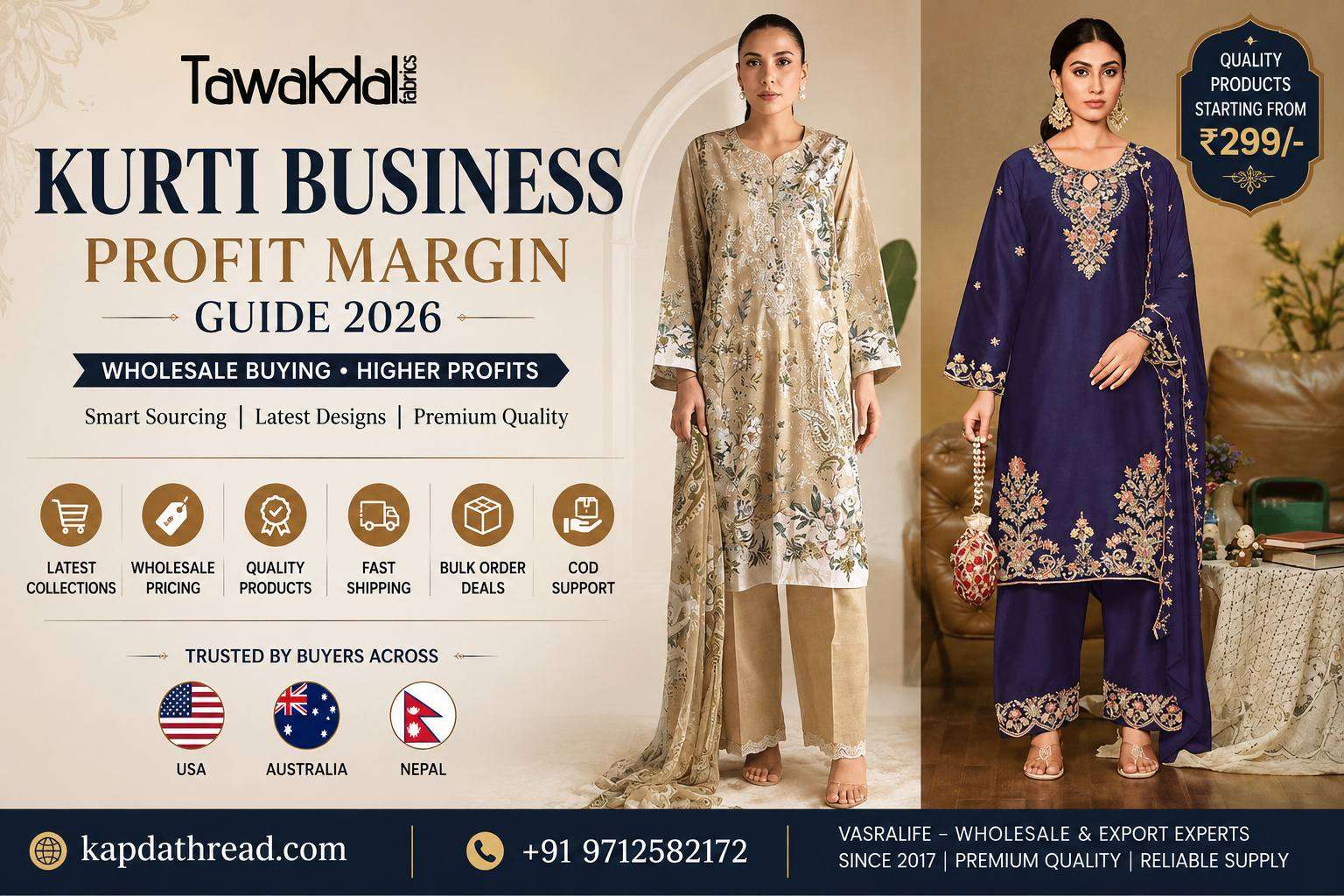
Kurti business profit margin
Kurti Business Profit Margin in 2026: Wholesale Buying Guide for Higher Retail Profits
Running a profitable ethnic wear business depends heavily on where you purchase stock, how efficiently you manage inventory and how intelligently you set the final selling price. For boutique owners, resellers, showroom operators and home-based sellers, kurtis continue to offer attractive opportunities because they can be purchased across multiple wholesale price ranges and sold to a wide customer base. With access to Surat-based suppliers, fresh designs and reliable online wholesale platforms such as kapdathread.com, sellers can build collections according to their investment capacity while keeping enough room for healthy retail earnings.
Introduction
The kurti business profit margin is one of the most important factors considered by retailers before purchasing ethnic wear stock. A product may look attractive, but if the buying price, shipping expense, packaging cost and expected selling price do not create sufficient earning potential, it may not be suitable for a growing retail business.
In 2026, customers are purchasing kurtis for daily wear, office wear, casual outings, festivals, family functions and special occasions. This creates transactional demand across multiple price categories. Home-Based Sellers can start with carefully selected pieces, while Boutique Owners and Showroom Owners can build broader collections covering cotton kurtis, rayon kurtis, designer kurtis, kurti pant sets, embroidered kurtis and premium ethnic styles.
For Wholesale Buyers, the advantage comes from purchasing closer to the source. Surat has developed a strong textile supply ecosystem covering manufacturing, wholesale distribution, catalog supply and export. Buyers sourcing through the surat textile market, ring road and sahara darwaza areas can access a large variety of ethnic wear. Online sourcing has made the same purchasing opportunity more accessible to buyers who cannot visit Surat personally.
Vastralife has been associated with wholesale and export business since 2017, bringing years of industry experience to the sourcing process. This experience is particularly valuable for retailers looking for premium product quality, marketable designs and collections suitable for different customer budgets.
How Kurti Wholesale Buying Creates Retail Profit
The basic earning model is straightforward: purchase stock at a competitive wholesale price and resell it at a higher retail value. However, successful sellers do more than simply add a fixed percentage to every product. They consider design, fabric, finishing, local demand, competition, season, size availability and the customer's willingness to pay.
For example, a seller purchasing a kurti at ₹350 may position it differently depending on the selling channel. A home-based reseller with low operating expenses might sell it at ₹499 to ₹599, while a boutique providing personalized service, premium packaging and a curated shopping experience may be able to position the same category at a higher selling price. These figures are illustrations rather than guaranteed margins because actual profitability depends on purchasing cost and business expenses.
Wholesale Buying Price Matters First
A strong kurti wholesale price gives retailers more flexibility when deciding their final selling rate. Even a small difference in purchase cost can become meaningful when stock is purchased in quantity. Shop Owners and Wholesale Buyers should therefore compare the complete landed cost rather than focusing only on the displayed product rate.
The landed cost may include product value, GST where applicable, transportation, packaging and other order-related expenses. Once these costs are calculated, retailers can determine a practical selling price and protect their desired kurti retail profit.
Product Selection Can Influence Margin
Not every kurti should be purchased simply because its wholesale rate is low. A low-cost design that remains unsold can block working capital. A slightly higher-priced style with strong customer demand may produce better turnover and overall profitability.
That is why successful Resellers and Boutique Owners frequently focus on trending kurti wholesale collections rather than purchasing only according to the lowest price. Cotton prints, coordinated sets, festive designs, embroidered styles, office-wear patterns and comfortable daily-wear kurtis can each serve different customer segments.
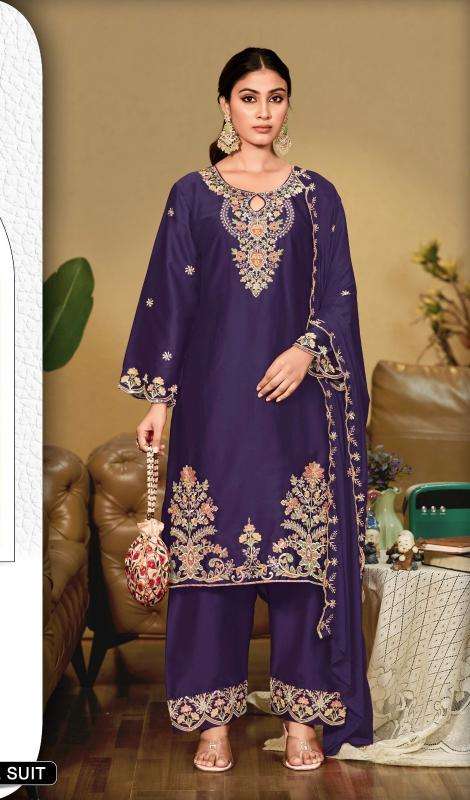
Kurti Business Profit Margin: What Retailers Should Calculate
There is no single percentage that applies to every seller. The actual kurti business profit margin changes according to sourcing rate, selling location, business model, product category and operating expenses. Instead of relying on a universal margin claim, retailers should calculate profitability product by product.
A useful calculation starts with the total landed cost. Suppose a product has a wholesale buying price of ₹400. After allocating transportation, packaging and other applicable expenses, its effective cost may become ₹430. If it is sold for ₹650, the gross earning before other business expenses is ₹220. If it is sold at ₹750 through a boutique where customers value styling and service, the gross earning increases accordingly.
This approach allows sellers to create realistic pricing instead of randomly copying competitor rates. It is particularly important for sellers dealing in wholesale kurtis for resellers, where competitive purchase rates directly influence the room available for resale earnings.
Gross Margin and Net Profit Are Different
Retailers should distinguish between gross earning on a product and final net profit. Rent, employee salaries, advertising expenses, payment charges, return losses and unsold inventory can reduce the amount ultimately retained by the business.
A home-based seller may have lower overhead than a large showroom. Therefore, even when both businesses purchase at the same wholesale rate, their final profitability may differ significantly. Sellers should establish a minimum acceptable margin after considering their own operating model.
Why Faster Inventory Rotation Can Be More Valuable
A high percentage margin is attractive, but stock rotation is equally important. A product generating ₹200 profit and selling quickly several times during a season can contribute more to business growth than an expensive item carrying a large theoretical margin but remaining on the shelf for months.
For this reason, retailers buying kurti wholesale online should balance margin expectations with customer demand. Fresh stock, repeat purchasing and smaller replenishment cycles can help sellers keep capital moving rather than locking excessive money into slow-moving designs.
Profitable Kurti Categories to Source in 2026
The ethnic wear market serves customers with different purchasing budgets, so retailers can create several price bands instead of depending on one category. A balanced collection can include affordable daily wear, mid-range kurti sets and premium occasion styles.
Daily Wear Kurtis for Volume Sales
Daily wear kurtis wholesale can be suitable for retailers targeting repeat customers and regular-use fashion. Comfortable fabrics, practical patterns and affordable rates make these products useful for home-based sellers, neighborhood clothing stores and online resellers.
Retailers can explore products with Quality Products Starting From ₹299, depending on current collection availability. Lower entry prices can allow new sellers to test multiple designs without allocating the entire purchasing budget to premium stock.
Cotton Kurtis for Regular Customer Demand
Cotton kurtis wholesale remain an important purchasing category for sellers serving customers who prioritize comfort and everyday usability. Printed cotton designs, straight-cut patterns and practical silhouettes can work across multiple regions and seasons.
Buyers sourcing from kurti manufacturers in Surat can compare designs, fabrics and quantity requirements before selecting stock. A retailer should evaluate stitching, finishing, size availability and fabric quality along with the buying rate because better customer satisfaction can support repeat sales.
Kurti Sets for Higher Order Value
Kurti pant set wholesale collections allow retailers to offer complete coordinated looks rather than individual kurtis. Two-piece and three-piece ethnic sets can command a higher ticket value, especially when the design includes coordinated bottoms or dupattas.
For Boutique Owners, these products can create opportunities to offer both affordable and premium selections. The kurti set wholesale price should be evaluated against local retail demand so that sufficient room remains for promotions, discounts and final profit.
Designer Kurtis for Boutique Positioning
Designer kurtis wholesale can be attractive for retailers serving customers looking for distinctive styling, embroidery, festive detailing or premium presentation. Rather than competing entirely on low price, boutiques can use such products to build a more curated collection.
The selling potential of designer stock depends strongly on presentation. Good photography, attractive displays, styling videos and clear fabric information can help customers understand why a product carries a higher retail value.
Surat Wholesale Sourcing for Better Kurti Resale Opportunities
Surat remains a major sourcing destination for Indian textile traders. The commercial ecosystem around surat textile market, ring road and sahara darwaza connects manufacturers, wholesalers, distributors, transport networks and buyers from different regions.
Retailers searching for Surat kurti wholesale market stock can use this sourcing advantage to compare multiple categories and purchase according to their customer profile. The presence of extensive textile manufacturing and trading activity also makes Surat relevant for buyers looking for recurring new arrivals rather than one-time inventory.
Through kapdathread.com, buyers can explore wholesale clothing opportunities without making every sourcing decision through a physical market visit. This can be particularly useful for Shop Owners and Resellers who want to replenish inventory from their own city.
Wholesale Sourcing for Buyers Outside India
The same sourcing model can support international ethnic wear businesses. Retailers in USA, Australia and Nepal can source Indian ethnic wear according to their market requirements, subject to order, shipping and import conditions. Reliable export handling becomes important because international buyers need product coordination, packing and dispatch support in addition to competitive purchasing rates.
Vastralife's wholesale and export experience since 2017 adds practical industry knowledge for buyers sourcing Indian clothing for domestic and overseas resale. Premium product quality, selection support and familiarity with wholesale operations can help professional buyers create more structured purchasing plans.
How to Set a Profitable Retail Price for Kurtis
A profitable selling rate should cover the complete product cost while remaining appropriate for the target customer. Sellers should first calculate purchase price, shipping allocation, packaging, advertising cost and expected losses. They can then add the required profit amount instead of setting a rate based only on competitors.
For instance, retailers purchasing ladies kurti wholesale stock should create separate pricing strategies for entry-level, mid-range and premium products. This prevents the entire collection from competing within one narrow price bracket and gives customers more purchasing choices.
Retailers can also improve order value by combining complementary categories. A customer purchasing a kurti may also be interested in ethnic sets, dress materials or other coordinated products. Buyers looking to expand their assortment can explore wholesale Pakistani suits alongside their regular kurti inventory.
Similarly, stores serving younger or fashion-focused buyers can combine ethnic inventory with selected western wear categories. A broader but carefully selected assortment can help sellers serve multiple customer preferences without depending on one product type alone.
Keep Room for Discounts Without Destroying Profit
Many retailers use seasonal offers, festival discounts, customer loyalty benefits and clearance promotions. The original retail price should therefore leave enough room for reasonable promotional activity. If the initial markup is too narrow, even a small discount may eliminate the expected profit.
This is another reason why sourcing at the right kurti wholesale price matters. Competitive wholesale purchasing gives sellers greater flexibility to offer deals while maintaining a sustainable kurti retail profit.
How to Increase Kurti Business Profit Without Simply Raising Prices
Increasing the kurti business profit margin does not always mean charging customers more. In many cases, the better strategy is to improve purchasing efficiency, select faster-moving designs, reduce unnecessary inventory and increase the average value of each customer order. This approach can be especially useful for Home-Based Sellers, Shop Owners, Boutique Owners, Showroom Owners and Resellers operating in competitive markets.
One practical method is to divide the purchasing budget across multiple product categories. Instead of investing heavily in one design, retailers can test different fabrics, patterns, sizes and price segments. Once customer response becomes clear, successful designs can be reordered in larger quantities. This can reduce the risk of slow-moving inventory while creating better opportunities for repeat sales.
Buy According to Customer Demand
Retailers should purchase stock according to the customers they actually serve. A seller dealing mainly with working women may require comfortable office wear, cotton styles and practical kurti sets. A boutique targeting festive buyers may need embroidered, designer and premium collections. Sellers serving value-conscious customers may require attractive designs at highly competitive wholesale rates.
Matching inventory to demand can improve stock rotation and protect working capital. It also makes it easier to decide the appropriate retail price because the seller already understands the spending capacity of the target customer.
Use Different Price Bands
A store with only one price category may lose potential customers. Instead, retailers can maintain entry-level, mid-range and premium options. Affordable products can attract regular buyers, while designer collections can increase the average transaction value.
For example, a retailer can keep selected value products starting from an accessible wholesale range while also purchasing premium sets with better fabric, embroidery or styling. The objective is not to sell every product at the highest possible markup but to create a profitable overall inventory mix.
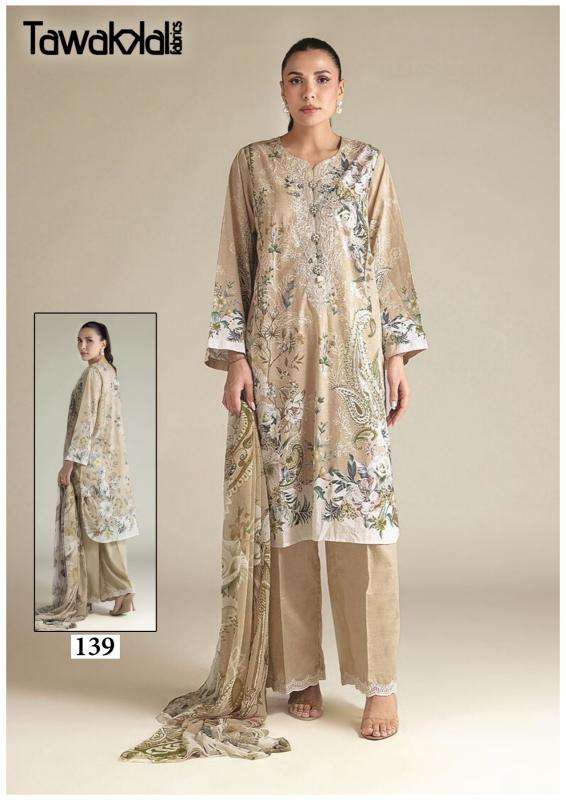
Wholesale Kurti Buying Strategy for Home-Based Sellers
Home-Based Sellers can enter the ethnic wear market with relatively controlled overhead compared with a traditional showroom. There may be no major showroom rent, large sales team or expensive interior setup, which can make smaller-scale wholesale purchasing commercially practical.
The priority should be selecting marketable products rather than accumulating excessive stock. Sellers can showcase collections through WhatsApp, Instagram, Facebook and their personal customer network while keeping inventory focused on styles that have realistic resale potential.
Buying through kapdathread.com can help sellers explore wholesale kurtis for resellers, ethnic sets and related clothing categories from a Surat-oriented wholesale sourcing platform. Buyers can compare available collections and build orders according to their customer requirements.
Start With Variety Instead of Excess Quantity
New resellers often assume that buying a large quantity of one design automatically creates better profitability. However, variety may be more valuable during the testing stage. Different colors, patterns and price ranges help identify what customers are actually ready to purchase.
Once a particular category generates repeat enquiries, the seller can allocate more capital to that segment. This demand-based purchasing approach can improve the practical kurti retail profit by reducing the amount of money blocked in unwanted inventory.
Kurti Wholesale Strategy for Boutique Owners
Boutique Owners generally have greater flexibility in product positioning because customers may value curation, presentation, styling assistance and distinctive designs. This means the lowest wholesale buying rate does not necessarily have to be the only purchasing criterion.
A boutique can select designer kurtis wholesale, coordinated sets, festive pieces, embroidered collections and premium fabrics while maintaining selected affordable options. The combination allows the boutique to serve both regular customers and shoppers looking for something more exclusive.
Presentation Can Support Better Selling Value
The perceived value of ethnic wear depends partly on presentation. Clean displays, good lighting, accurate product descriptions, professional images and styling suggestions can make the shopping experience stronger. Online boutiques can use short videos, mannequin presentations and detailed close-ups to communicate fabric and design more effectively.
When customers understand the product properly, purchasing decisions become less dependent on discounting. This can help boutiques protect their target margin without creating an unnecessarily high selling price.
Kurti Wholesale Strategy for Shop and Showroom Owners
Physical Shop Owners and Showroom Owners usually require a broader inventory because walk-in customers expect immediate choices in colors, designs, fabrics, sizes and budgets. The buying strategy should therefore combine reliable volume sellers with limited quantities of trend-focused products.
Regularly replenishing daily wear kurtis wholesale can support steady customer traffic, while premium kurti sets and designer pieces can improve transaction value. Retailers should also track which categories sell quickly instead of making every repeat purchase based on personal preference.
Track Sales by Category
A basic stock report can reveal which products deserve additional investment. Retailers can track purchase quantity, buying cost, selling price, units sold, remaining stock and gross earning for each category.
For example, if cotton kurtis sell faster than heavily embellished designs in a particular location, the next wholesale order can allocate more capital to cotton. This simple practice can make the kurti business profit margin more sustainable because purchasing decisions become based on actual sales performance.
Bulk Kurti Buying for Wholesale Buyers and Resellers
Wholesale Buyers purchasing larger quantities should consider more than the per-piece rate. Size ratios, color assortment, design mix, dispatch time, product consistency and supplier reliability can all influence the final commercial outcome.
A slightly cheaper catalog may not be the better purchase if the product quality creates customer complaints or if unavailable sizes make the stock difficult to sell. Professional buyers should therefore evaluate the complete buying proposition.
Use Bulk Buying Selectively
Bulk kurti wholesale purchasing can improve buying economics when demand is already established. However, bulk orders should ideally be concentrated on proven categories rather than untested fashion designs.
Retailers can first test smaller quantities, identify strong sellers and then negotiate or purchase larger quantities where appropriate. This helps combine the advantages of bulk buying with better inventory control.
Consider Reordering Potential
Before building a major retail campaign around a collection, buyers should consider whether the supplier can provide repeat stock. If a design sells successfully but cannot be reordered, the retailer may have to restart product testing with a different collection.
Reliable sourcing relationships around the surat textile market, ring road and sahara darwaza ecosystem can therefore be valuable for businesses requiring regular inventory replenishment.
Why Product Quality Matters to Long-Term Kurti Profitability
Wholesale buying is not only about finding the lowest possible rate. Product quality influences customer satisfaction, repeat purchases, referrals and the reputation of the seller. Poor stitching, inconsistent sizing or disappointing fabric can create returns and complaints that reduce actual profitability.
Retailers should check important product characteristics such as fabric quality, stitching, finishing, measurements, color combination and overall presentation before committing significant capital. Premium product quality can be especially important for boutiques and showrooms building long-term customer relationships.
Vastralife's wholesale and export experience since 2017 brings practical textile industry expertise to product sourcing and wholesale supply. Experience with different categories and buyer requirements can be valuable for businesses looking for dependable ethnic wear purchasing rather than purely price-driven stock.
Kurti Export Opportunities for International Resellers
Indian ethnic fashion has buyers beyond the domestic market. Retailers and ethnic boutiques in the USA, Australia and Nepal can source Indian kurtis and related clothing from wholesale suppliers, depending on shipping feasibility, customs requirements and local market demand.
International Wholesale Buyers should calculate the complete landed cost before deciding their selling rate. Product value, freight, applicable duties, local delivery and other import-related expenses can influence the final margin. A wholesale rate that appears attractive in India should therefore be evaluated together with the total cost of reaching the buyer's destination.
Build Export Orders Around Market Demand
Overseas retailers should avoid assuming that every Indian design will perform equally well in every country. Local climate, community preferences, festival seasons, sizing requirements and customer budgets can differ substantially.
For example, everyday styles may support repeat business, while festive and wedding-related collections may generate stronger seasonal transactions. Export buyers can create a mixed order with several commercially relevant categories rather than placing their entire investment into one fashion segment.
Common Mistakes That Reduce Kurti Business Profit
Even a competitive kurti wholesale price cannot guarantee successful resale if the buying strategy is weak. One of the most common mistakes is purchasing according to personal taste rather than customer demand. Another is investing too much capital in one design simply because the rate appears attractive.
Retailers may also reduce their earnings by ignoring shipping costs, advertising expenses, returns, packaging and slow-moving stock while calculating profitability. Every expense associated with getting a product from the supplier to the final customer should be considered.
Competing Only on the Lowest Price
Constantly undercutting competitors can make it difficult to maintain sustainable earnings. Customers also consider quality, design, convenience, service, availability and trust. Sellers should create value around their products instead of depending entirely on aggressive discounting.
Holding Old Inventory Too Long
Fashion inventory can lose demand as new patterns arrive. Retailers should monitor aging stock and use sensible clearance strategies when necessary. Recovering working capital from a slow-moving product can sometimes be more commercially useful than waiting indefinitely for the original target selling price.
Ignoring Repeat Customers
Repeat buyers can reduce the constant need to acquire new customers. Maintaining consistent quality, sharing fresh arrivals and offering reliable service can encourage customers to return for future purchases. A business with repeat demand can often generate healthier long-term profitability than one relying entirely on one-time transactions.
Planning Your Kurti Inventory for 2026
A practical 2026 inventory plan should balance affordability, trends and customer demand. Retailers can maintain core products that sell throughout the year while rotating trend-driven collections more frequently.
Categories such as cotton kurtis wholesale, daily wear styles, kurti pant sets, embroidered kurtis and designer collections can be selected according to the retailer's audience. Buyers can also diversify into complementary ethnic categories where there is established customer demand.
For retailers sourcing from Surat, access to extensive manufacturing and wholesale networks can make regular collection updates easier. Rather than buying inventory for an entire year at once, sellers can consider shorter buying cycles that allow them to respond to customer preferences.
Internal Linking and Wholesale Product Discovery
Wholesale purchasing works best when buyers explore categories according to their actual customer profile. A store selling only one type of kurti may eventually face limitations in customer choice. Expanding gradually into complementary categories can create more cross-selling opportunities without changing the core identity of the business.
kapdathread.com can be used to discover wholesale textile and fashion collections for Home-Based Sellers, Shop Owners, Boutique Owners, Showroom Owners, Resellers and Wholesale Buyers. Retailers can compare new arrivals, wholesale pricing and different product segments before planning their next stock purchase.
When exploring a new category, begin with a controlled order wherever possible, track customer response and increase purchasing only after demand is established. This keeps the business focused on transactions rather than building inventory without a clear resale plan.
Customer FAQs
1. What is a good kurti business profit margin?
A suitable margin depends on wholesale purchase cost, shipping, packaging, operating expenses, selling channel and customer demand. Instead of using one fixed percentage for every product, calculate the complete landed cost and set a selling price that covers expenses while providing a sustainable profit.
2. Where can I buy kurtis wholesale for resale?
Retailers can source through Surat's textile wholesale ecosystem or online wholesale platforms such as kapdathread.com. When purchasing, compare product quality, wholesale price, available designs, sizes, quantity requirements and dispatch support before confirming stock.
3. Can I start a kurti business from home?
Yes. Home-Based Sellers can begin with selected wholesale stock and sell through WhatsApp, Instagram, Facebook and existing customer networks. Starting with controlled inventory and testing multiple styles can reduce the risk of blocking too much capital in unsold products.
4. Which kurti categories are suitable for resale in 2026?
Demand differs by market, but retailers can evaluate daily wear kurtis, cotton kurtis, designer kurtis, embroidered styles, kurti pant sets and festive ethnic collections. The best selection should always reflect the customer's budget, location and buying preferences.
5. Is Surat a good location for wholesale kurti sourcing?
Surat has a large textile trading and manufacturing ecosystem. Buyers frequently source through markets around ring road, sahara darwaza and other major textile areas because of the wide variety of wholesalers, manufacturers and clothing categories available.
6. How can I calculate my kurti resale profit?
Add the wholesale product price, allocated shipping cost, packaging and other applicable expenses to determine the landed cost. Subtract this amount from the final selling price to calculate the gross earning before general business overhead and taxes.
7. Should I buy kurtis in bulk for better profit?
Bulk purchasing can be commercially useful when a product already has proven demand and the buying terms are attractive. For new designs, smaller test orders may be safer. Once sales performance is established, retailers can consider larger repeat purchases.
8. Can international boutiques source kurtis from India?
Yes, subject to supplier availability, shipping arrangements, customs rules and destination requirements. Overseas buyers should calculate the complete landed cost and select products according to their local customer demand before confirming an export order.
Build a More Profitable Kurti Business with Smart Wholesale Sourcing
The strongest retail businesses are built around disciplined purchasing rather than random stock accumulation. When sellers combine competitive wholesale rates, marketable designs, premium product quality, controlled inventory and realistic retail pricing, the opportunity to improve the kurti business profit margin becomes considerably stronger.
Whether you are starting from home, managing a boutique, operating a clothing shop, running a showroom or purchasing stock for resale, your supplier can directly influence your business performance. Explore fresh ethnic wear collections through kapdathread.com and select products according to your customers, budget and sales strategy.
Order Wholesale Ethnic Wear for Your Business
Ready to build or expand your clothing inventory? Explore Latest Collections, competitive Wholesale Pricing, Trendy Ethnic Wear and Quality Products Starting From ₹299. Wholesale buyers can enquire about Fast Shipping, COD Support where applicable and Bulk Order Deals for suitable orders.
With Vastralife's wholesale and export experience since 2017, industry expertise and focus on premium product quality, retailers can source collections for different customer segments and selling markets.
Website: kapdathread.com
Contact: +91 9712582172
Choose your next wholesale collection, calculate your resale opportunity and start building an inventory designed to sell.