latest dress material trends in india
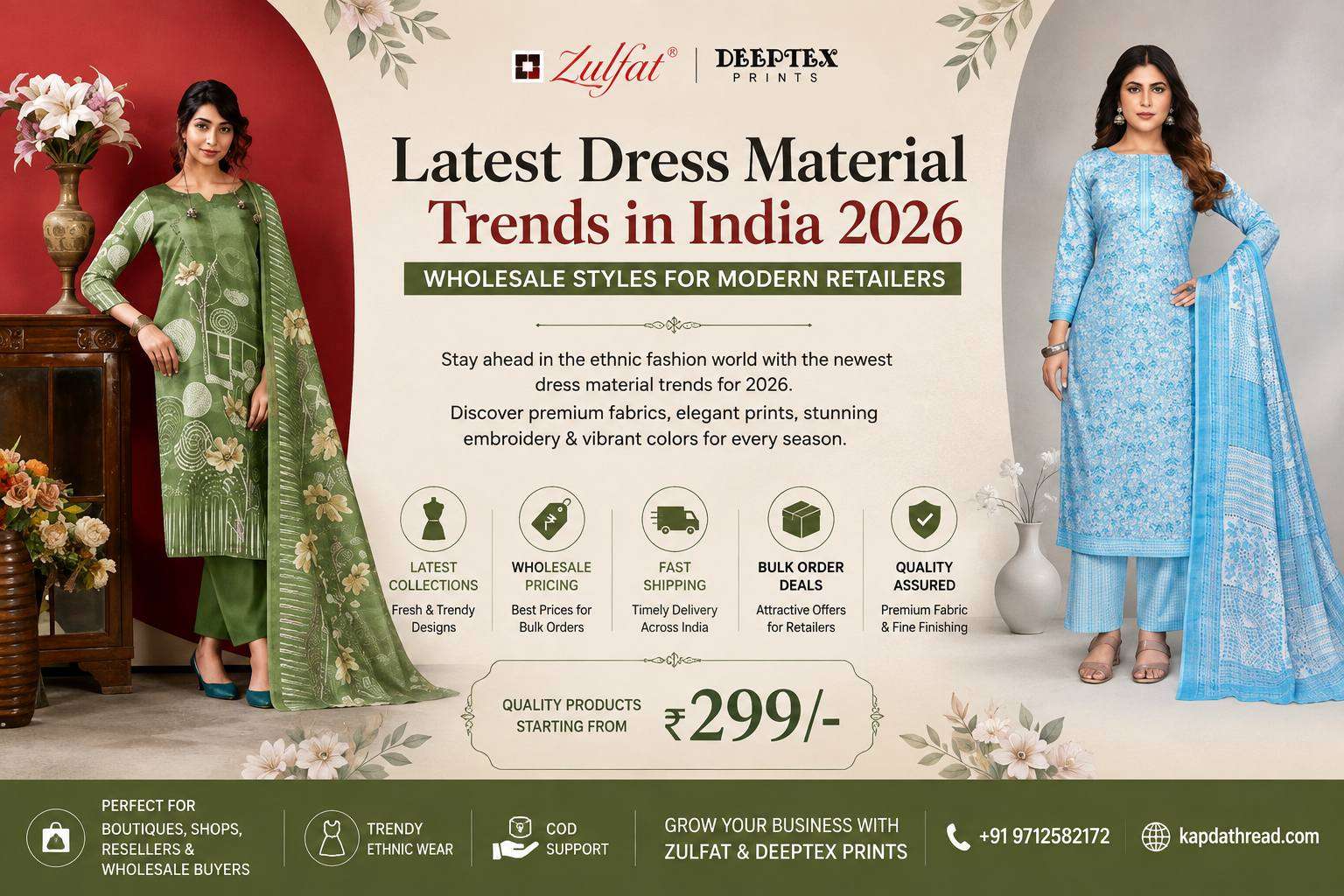
Latest Dress Material Trends in India 2026 – Wholesale Styles for Retailers
Indian ethnic wear is entering 2026 with a fresh combination of elegant prints, comfortable fabrics, statement embroidery and coordinated suit concepts designed for modern customers. For boutiques, resellers and retail stores, these changing preferences create an opportunity to refresh inventory with products that balance traditional appeal and contemporary styling. Buyers sourcing from Surat can now build collections around daily wear, festive demand, premium designer looks and fast-moving price segments to serve a much wider customer base.
Introduction
The latest dress material trends in India are becoming increasingly important for professional textile buyers because customers are no longer shopping only for basic unstitched suits. They want distinctive colours, attractive dupattas, comfortable fabrics, premium detailing and designs suitable for different occasions.
For Home-Based Sellers, Shop Owners, Boutique Owners, Showroom Owners, Resellers and Wholesale Buyers, this shift creates a clear purchasing opportunity. A carefully selected wholesale dress material range can cover everyday customers as well as buyers searching for festive, wedding and premium ethnic wear.
Surat continues to play a major role in this market. The extensive surat textile market ecosystem connects fabric suppliers, designers, processors, traders, wholesalers and manufacturing businesses. Commercial textile areas around Ring Road and Sahara Darwaza provide buyers access to products across multiple styles and price ranges.
Online sourcing has made this market more accessible as well. Through kapdathread.com, professional buyers can explore wholesale-oriented ethnic wear collections without depending entirely on repeated physical market visits. This is particularly valuable for retailers operating outside Surat and international buyers planning their Indian textile sourcing.
What Is Selling in the Indian Dress Material Market in 2026?
The strongest dress material collections in 2026 are not defined by one single trend. Instead, buyers are choosing products according to occasion, comfort, presentation and resale potential. Printed cotton-style collections remain relevant for regular sales, while embroidery, statement dupattas and premium fabrics create opportunities in higher-value segments.
The latest dress material trends in India also show that customers increasingly appreciate coordinated looks. A well-designed top fabric paired with a complementary bottom and visually attractive dupatta can create stronger perceived value than an ordinary unstitched combination.
Premium Prints with Sophisticated Colour Palettes
Printed collections continue to have strong retail potential, but the visual direction is becoming more refined. Instead of relying only on heavily crowded patterns, many buyers are selecting floral arrangements, elegant traditional motifs, artistic prints and coordinated borders that give the finished outfit a premium appearance.
Colours such as wine, maroon, lavender, dusty pink, earthy green, beige, blue and muted pastels can help retailers build a varied display. At the same time, brighter festive shades remain relevant for customers shopping around celebrations and family functions.
For Resellers and Home-Based Sellers, printed dress material wholesale collections can be particularly useful because attractive catalogue presentation makes them easier to promote through WhatsApp, Instagram and other digital selling channels.
Statement Dupattas Are Increasing Product Value
The dupatta has become an important selling feature in many ethnic wear collections. Coordinated prints, embroidery, borders and contrasting colours can transform a comparatively simple suit into a more premium-looking ensemble.
Boutique Owners can use this trend strategically. Rather than stocking only heavily embellished products, they can select elegant base fabrics combined with visually stronger dupattas. This allows them to offer fashionable products at multiple wholesale and retail price levels.
Embroidered Dress Materials for Festive and Boutique Buyers
Embroidered dress material wholesale collections remain an important category for boutiques serving festive and occasion-wear customers. Embroidery can create a higher-value presentation and gives retailers opportunities to offer merchandise that stands apart from ordinary daily-wear stock.
The 2026 market includes different levels of embroidery, from subtle neckline and border detailing to more elaborate work intended for celebrations, wedding functions and festive purchases. Retailers should select the level of work according to their customer's expected selling range.
Light Embroidery for Versatile Selling
Not every customer wants heavy festive clothing. Light embroidery can work well for office functions, family gatherings, casual celebrations and customers who prefer understated ethnic fashion. These designs can also remain relevant for a longer selling period because they are not limited to one specific festival.
For Shop Owners and Resellers, this versatility can help improve stock movement. Collections with a balanced combination of fabric quality, tasteful embroidery and competitive wholesale pricing can appeal to a broader audience.
Premium Embroidery for Higher Retail Positioning
Premium designs can be used to create a stronger boutique segment. Detailed embroidery, coordinated dupattas, rich textures and carefully selected colours allow retailers to position certain products at a higher retail value.
However, buyers should not evaluate premium products only by the amount of work. Fabric quality, finishing and overall design coordination are equally important. A well-balanced collection can often sell more effectively than a heavily decorated product that lacks refinement.
Why Surat Remains Important for Dress Material Wholesale Buying
Surat has built a large textile ecosystem that supports the development and distribution of ethnic wear throughout India and overseas. Buyers sourcing through the surat textile market can access a broad selection of fabrics, prints, embroidery concepts and wholesale collections at different price levels.
Ring road remains one of the city's best-known commercial textile zones, while sahara darwaza is closely connected with Surat's wider textile trading activity. These areas attract retailers, distributors and wholesale buyers looking for fresh merchandise and business-focused sourcing options.
Manufacturing Ecosystem Supports Collection Variety
Surat's strength comes not only from wholesale trading but also from its wider manufacturing, processing and textile supply network. Different stages of fabric development and product preparation can take place within the same broader ecosystem, allowing the market to respond rapidly to changes in fashion demand.
This matters for professional retailers because fast-changing customer preferences require regular inventory updates. A supplier network connected with active textile production and distribution can provide access to new patterns, fabrics and price categories throughout the year.
Wholesale Price Options for Different Retail Markets
A Home-Based Seller may require a different buying range from a premium boutique or large showroom. Surat's broad wholesale ecosystem allows buyers to explore products across entry, mid-range and premium segments rather than depending on a single fixed dress material wholesale price.
This flexibility helps retailers build an assortment around their actual customers. A value-focused shop can concentrate on fast-moving affordable designs, while Boutique Owners can combine those products with selected designer and festive collections.
Top Wholesale Dress Material Trends Retailers Should Stock
Following trends does not mean buying every new catalogue that reaches the market. Professional buyers should identify trends that match their customers and then build a commercially practical inventory around them. The latest dress material trends in India provide opportunities across several different segments.
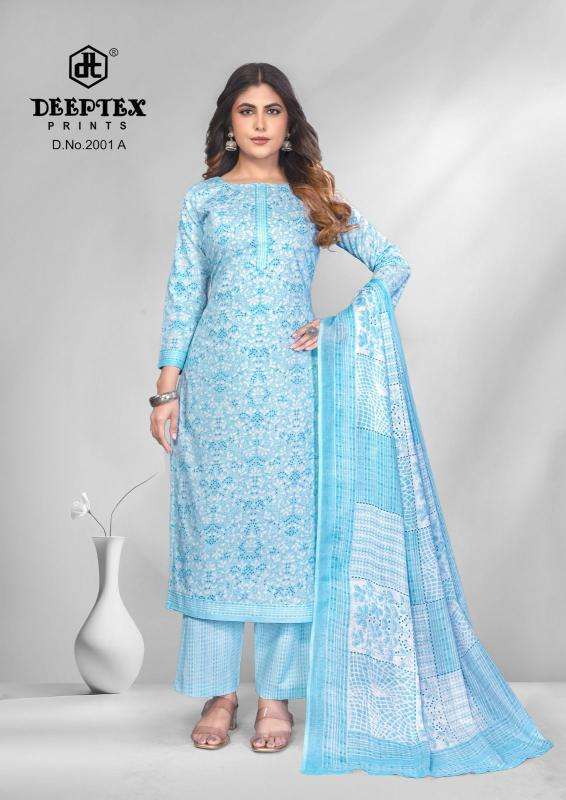
1. Floral Dress Materials
Floral patterns remain commercially attractive because they can work across seasons and age groups. Depending on colour, fabric and print style, floral dress materials can be positioned for everyday wear, boutique collections or semi-festive use.
Wholesale Buyers can consider mixing delicate florals with stronger statement prints so retailers receive enough visual variety within their inventory.
2. Pastel and Muted Ethnic Collections
Soft shades continue to give ethnic wear a sophisticated appearance. Lavender, blush, dusty rose, muted green and neutral tones can appeal to customers seeking elegant styling rather than extremely bright combinations.
These shades can be especially effective in premium-looking catalogue photography, making them attractive for Boutique Owners and online Resellers who depend heavily on visual presentation.
3. Traditional Prints with Contemporary Styling
Indian motifs and traditional print influences continue to have strong appeal when presented through updated colours and cleaner styling. This combination gives retailers an opportunity to serve customers who appreciate cultural design but still want a modern-looking outfit.
For boutiques, these collections can provide a distinctive middle ground between basic everyday merchandise and heavily embellished occasion wear.
4. Coordinated Three-Piece Dress Materials
Customers often appreciate the convenience of a well-coordinated top, bottom and dupatta combination. For retailers, these collections are easier to present as a complete fashion concept rather than as separate pieces of fabric.
A coordinated set can also support better perceived value, especially when the dupatta and main fabric share complementary colours, borders or motifs.
5. Premium Designer Dress Materials
Designer dress material wholesale collections allow retailers to build a higher-value section within their inventory. These products can feature richer fabrics, more detailed work, distinctive prints and premium presentation intended for customers who are willing to spend more for an elevated ethnic look.
Choosing Wholesale Stock According to Your Business Type
Different retailers should interpret fashion trends differently. A product that works for a large showroom may not be the right starting inventory for a Home-Based Seller. Buying according to business size and customer profile can help improve stock rotation and protect working capital.
For Home-Based Sellers and Resellers
Start with visually attractive, easy-to-sell designs across practical price ranges. Smaller mixed collections can help test demand before increasing quantities. Products that photograph well can be useful for WhatsApp and social media promotions.
For Boutique Owners
Boutiques can create a more curated inventory by combining fast-moving printed products with embroidery, premium dupattas and selected designer collections. Instead of competing only on low price, boutique sellers can differentiate themselves through product selection and presentation.
For Shop and Showroom Owners
Larger retail businesses can maintain a broader inventory covering daily wear, mid-range collections, festive products and premium ethnic wear. This gives sales teams more opportunities to match products with different customer budgets.
For Wholesale Buyers
Wholesale Buyers should evaluate catalogue depth, repeat demand and downstream retailer requirements before committing to larger quantities. Bulk purchasing becomes more effective when stock is selected according to proven demand rather than trend visibility alone.
Wholesale and Export Opportunities Beyond India
Indian ethnic wear has a customer base across international markets, creating opportunities for retailers and distributors sourcing for USA, Singapore and New Zealand. Product selection for international markets should consider local customer preferences, climate, festival demand and the retail positioning of Indian fashion in each destination.
An experienced export sourcing relationship can be valuable because international buyers must consider more than the basic product price. Order quantities, shipping requirements and product suitability can all influence the final commercial decision.
Vastralife has wholesale and export experience since 2017, supported by industry expertise in textile sourcing and ethnic wear. For professional buyers, this experience is relevant when looking for premium product quality, diverse collections and wholesale options suited to different retail markets.
How to Buy Trending Dress Materials Without Overloading Inventory
Fashion trends can create excitement, but profitable wholesale buying still requires discipline. Retailers should divide their purchasing budget between reliable fast-moving designs and selected new trends rather than investing the entire amount in one untested collection.
Buyers exploring kapdathread.com can compare different ethnic wear collections and shortlist products according to customer demand, selling range and inventory requirements. The objective should be to create a collection that looks fresh while remaining commercially practical.
For example, a boutique could allocate its purchasing budget between regular printed dress materials, mid-range embroidered designs and a smaller selection of premium festive products. As customer response becomes clearer, successful categories can receive larger repeat orders.
Online Wholesale Sourcing for Dress Material Buyers in 2026
Digital wholesale sourcing gives retailers the flexibility to evaluate collections without travelling to the textile market for every purchase. This can be particularly useful for buyers located outside Surat or international businesses sourcing Indian ethnic wear.
Through kapdathread.com, buyers can explore wholesale-focused product options and identify collections suited to boutiques, retail shops, showrooms and reselling businesses. Online access also makes it easier to monitor new arrivals and plan purchasing around changing customer demand.
Retailers searching for the dress materials wholesale category can focus on products that fit their established selling range while keeping room in the inventory budget for fresh 2026 trends.
Businesses serving customers interested in Pakistani-inspired ethnic fashion can also explore wholesale Pakistani suits online as a complementary category when expanding their overall product assortment.
How to Select the Right Dress Material Price Range for Better Sales
Price positioning is one of the most important factors in wholesale purchasing. A successful retailer does not necessarily stock only inexpensive products or only premium collections. Instead, the inventory should reflect what customers in that particular market are willing to buy regularly.
Home-Based Sellers can begin with affordable and mid-range collections that allow them to test customer preferences without putting too much capital into stock. Boutique Owners may maintain a wider combination of regular, designer and premium dress materials, while Showroom Owners can create dedicated sections for different customer budgets.
Entry-Level Collections for Fast-Moving Sales
Affordable collections can help retailers generate regular transactions and attract price-conscious customers. These products should still meet acceptable quality standards because a low buying price cannot compensate for poor fabric or finishing when customer retention is the objective.
Entry-level products can be particularly effective for Resellers who work with larger customer groups and need collections that appeal to a wider audience. Regular new arrivals can help these sellers maintain engagement while keeping their selling rates competitive.
Mid-Range Collections for Everyday Boutique Customers
Mid-range dress materials often provide a practical balance between design, fabric and retail affordability. This segment can include elegant prints, light embroidery, coordinated dupattas and better finishing that gives the product a boutique-ready appearance without moving into a very high selling range.
For many Shop Owners, this segment can become an important part of regular inventory because customers receive noticeable design value while the retailer retains sufficient room for a healthy resale margin.
Premium Collections for Higher-Value Orders
Premium customers generally evaluate more than price. They may look at fabric feel, embroidery quality, colour coordination, exclusivity and the overall presentation of the outfit. Retailers serving this audience should therefore purchase selectively rather than simply choosing the most expensive catalogue.
A strong premium collection should give customers a clear reason to pay more. When the design looks distinctive and the product quality supports its positioning, higher-value dress materials can become an important profit segment for boutiques and showrooms.
Festive and Wedding Dress Material Trends for 2026
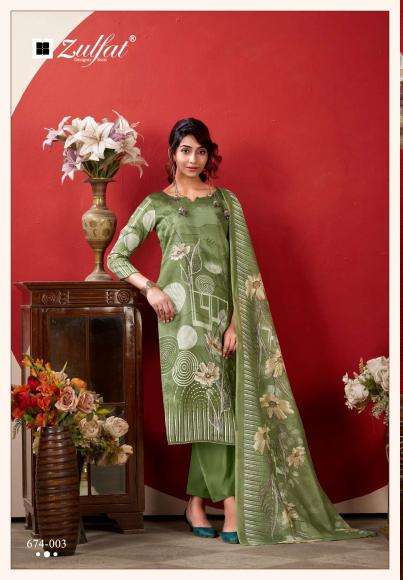
Festivals and wedding seasons continue to create important buying periods for ethnic wear retailers. During these occasions, customers often move beyond everyday designs and look for richer fabrics, detailed embroidery, attractive dupattas and colours that create a more celebratory appearance.
The latest dress material trends in India for festive retail are increasingly about balanced elegance. Instead of selecting products solely because they contain heavy work, many buyers are choosing designs where embroidery, fabric and colour complement each other naturally.
Embroidered Suit Materials for Festive Demand
Embroidery remains a major festive selling feature. Neckline detailing, border work, floral embroidery and coordinated dupattas can make a dress material suitable for family functions, festivals and semi-formal celebrations.
Retailers can maintain different embroidery levels within their inventory. Light-work products can target customers seeking versatile outfits, while richer collections can be reserved for buyers shopping specifically for important occasions.
Rich Dupattas for Premium Presentation
A statement dupatta can significantly change the overall appearance of a suit. Printed borders, embroidered detailing, coordinated motifs and contrasting colours can help create a premium look without requiring excessive work across the entire outfit.
This gives Boutique Owners an opportunity to offer visually impressive collections at different selling ranges. The key is to choose products where the dupatta complements the main fabric instead of looking like an unrelated addition.
Wedding Season Colour Selection
Traditional festive colours such as maroon, red, green and deeper jewel tones continue to have commercial relevance, while softer shades such as lavender, blush, beige and muted pastels provide alternatives for customers preferring contemporary styling.
Retailers can create a more complete wedding-season assortment by combining both colour directions rather than assuming every festive customer wants the same traditional palette.
How Resellers Can Sell Trending Dress Materials Online
Digital selling allows Resellers and Home-Based Sellers to reach customers without maintaining a large physical showroom. WhatsApp, Instagram, Facebook and other social channels can be used to present new collections, receive enquiries and build repeat customer relationships.
Promote New Arrivals Regularly
Instead of uploading dozens of products at once and then remaining inactive, sellers can present fresh collections regularly. This creates multiple customer touchpoints and helps each catalogue receive better visibility.
New arrival posts can focus on fabric, design, available colour options and suitable occasions. Clear product communication makes it easier for customers to decide whether the collection matches their needs.
Keep a Balanced Digital Catalogue
A digital catalogue should not contain only one price segment. Resellers can present affordable daily-wear products alongside mid-range and premium options so customers can choose according to their budget.
For sellers following the latest dress material trends in India, regular catalogue rotation is particularly important. A fresh assortment gives existing customers a reason to check new updates instead of repeatedly seeing the same products.
Wholesale Buying Opportunities for USA, Singapore and New Zealand
Indian ethnic wear continues to create opportunities beyond the domestic market. Retailers and ethnic fashion businesses serving customers in the USA, Singapore and New Zealand can source dress materials according to local demand, festival seasons and customer preferences.
International Wholesale Buyers should evaluate the complete commercial equation before confirming an order. The product price, quantity, shipping requirements and expected retail selling value all influence the viability of an export purchase.
Select Collections for the Destination Market
International buyers should avoid assuming that every popular Indian collection will perform equally well overseas. Customer age, local climate, regional Indian communities and festival demand can affect purchasing behaviour.
For example, lightweight fabrics and versatile prints may create regular selling opportunities, while embroidered and premium collections can be stocked selectively around major celebrations and wedding seasons.
Build Export Orders Around Proven Demand
Businesses entering a new international market can begin with a carefully selected assortment rather than committing excessive capital to one category. Once customer response becomes visible, future orders can focus more heavily on the strongest-selling designs and price ranges.
Vastralife's wholesale and export experience since 2017 brings industry understanding to textile sourcing for professional buyers. Experience across ethnic wear wholesale can be valuable for retailers seeking premium product quality and collections suitable for different customer segments.
Why Product Quality Matters More Than the Lowest Wholesale Price
Wholesale buyers naturally compare rates, but purchasing purely on the lowest price can create problems if fabric quality, finishing or design presentation does not meet customer expectations. Retail businesses depend heavily on repeat customers, making product satisfaction an important part of long-term profitability.
Premium quality does not always mean selecting the highest-priced merchandise. It means finding the right quality standard within the chosen price segment. Even an affordable collection should offer a product experience appropriate to what the retailer promises the customer.
Quality Helps Generate Repeat Business
Customers who are satisfied with their purchase are more likely to return to the same boutique or seller. For this reason, Shop Owners and Resellers should consider product consistency when selecting a wholesale source.
A strong supplier relationship can help retailers maintain confidence when introducing new catalogues because they already understand the expected quality and service standards.
Quality Supports Better Retail Positioning
Better products can also make selling easier. When fabric, design and finishing create a positive first impression, sales staff and online sellers have a stronger value proposition than simply saying the product is inexpensive.
Planning Bulk Orders for Better Inventory Rotation
Bulk buying can improve purchasing efficiency, but only when quantities match realistic sales expectations. A retailer should consider past sales, upcoming festivals, customer enquiries and available working capital before increasing order volume.
Buy Deeper After Testing a Collection
When possible, retailers can first observe customer response to a particular design direction. Collections generating repeat enquiries and quick sales can justify larger subsequent orders.
This approach allows Wholesale Buyers to use actual demand as a purchasing signal instead of relying entirely on assumptions about what might become popular.
Mix Proven Sellers with New Trends
A useful inventory strategy for 2026 is to maintain proven products while continuously testing selected new designs. This reduces the risk of depending entirely on trends while ensuring that the store does not appear outdated.
The latest dress material trends in India should therefore be treated as purchasing opportunities that are filtered through each retailer's own customer data and sales experience.
Internal Linking Section
Professional textile buyers can use kapdathread.com to explore related wholesale ethnic wear categories and build an inventory according to their target customers. Moving between complementary categories can help retailers expand their product offering without losing focus on commercially relevant ethnic fashion.
For example, a dress material seller receiving frequent customer requests for ready ethnic styles can gradually add suitable suit sets or kurtis. Similarly, retailers with stronger festive demand can complement regular dress materials with premium ethnic collections.
The objective of internal category exploration should be practical cross-selling. Buyers can identify products that naturally complement their existing customer base rather than adding unrelated inventory simply to increase the number of categories they carry.
Customer FAQs
1. What are the latest dress material trends in India for 2026?
Popular wholesale directions include sophisticated floral prints, pastel and muted shades, coordinated three-piece dress materials, statement dupattas, light embroidery, festive designs and premium designer collections. Retailers should choose trends according to their target customers and selling range.
2. Where can retailers buy wholesale dress materials in Surat?
Surat has a large textile ecosystem with extensive wholesale activity around the surat textile market, Ring Road and Sahara Darwaza areas. Buyers who prefer online sourcing can also explore wholesale-oriented collections through kapdathread.com.
3. Can Home-Based Sellers purchase dress materials at wholesale prices?
Yes. Home-Based Sellers and Resellers can source wholesale dress materials according to applicable order requirements. New sellers can begin with selected collections and increase purchasing quantities as customer demand develops.
4. Which dress materials are suitable for boutique customers?
Boutiques can maintain a combination of premium prints, embroidered suit materials, coordinated dupatta sets, designer dress materials and selected festive collections. The ideal assortment depends on the boutique's customer profile and target retail price.
5. Are printed dress materials suitable for online reselling?
Yes. Visually attractive printed collections can work well for digital selling because customers can quickly evaluate colours and designs through catalogue photographs. Sellers should still confirm fabric details, pricing and product specifications before purchasing.
6. Can international buyers order Indian dress materials for export?
International retailers and wholesale businesses can source Indian ethnic wear for export according to supplier terms and available shipping arrangements. Buyers should evaluate destination-market demand, order quantities and complete landed costs before confirming larger purchases.
7. How can retailers select profitable wholesale dress materials?
Compare wholesale cost with realistic retail value, customer demand and expected stock movement. Products with attractive designs, suitable quality and a practical price can often deliver better results than collections purchased only because they are inexpensive.
8. Why should retailers source new collections regularly?
Fresh arrivals help boutiques and Resellers keep customers engaged. Regular product updates can also improve social media and WhatsApp marketing because sellers have genuine new merchandise to promote throughout the season.
9. What should Wholesale Buyers check before placing bulk orders?
Buyers should review fabric specifications, designs, available variants, catalogue quantities, wholesale rates, ordering terms and expected resale demand. International buyers should additionally consider shipping and destination-market requirements.
10. Is Surat suitable for dress material manufacturing and wholesale sourcing?
Yes. Surat has an established textile manufacturing, processing, trading and wholesale ecosystem, making it a significant sourcing destination for professional textile buyers across India and international markets.
Source Trending Dress Materials for Your Business
If you are a Home-Based Seller, Shop Owner, Boutique Owner, Showroom Owner, Reseller or Wholesale Buyer preparing your 2026 inventory, kapdathread.com can help you explore wholesale ethnic wear collections suited to different customer segments and price ranges.
Build your purchasing strategy around fresh designs, premium quality, practical margins and products that match real customer demand. Whether you are sourcing for the Indian market or developing an international ethnic wear business, choosing the right collections can help you keep inventory fresh and create stronger selling opportunities.
- Latest Collections – Explore fresh ethnic wear styles for regular inventory updates.
- Wholesale Pricing – Source products at business-focused wholesale rates.
- Trendy Ethnic Wear – Add current Indian fashion collections to your store or online business.
- Fast Shipping – Get wholesale orders processed and dispatched efficiently.
- COD Support – Available according to applicable order terms.
- Bulk Order Deals – Enquire about larger wholesale purchasing requirements.
- Quality Products Starting From ₹299 – Explore value-focused options across available wholesale collections.
Contact Number: +91 9712582172
Website: kapdathread.com
Refresh your 2026 inventory with dress materials that combine current styling, attractive wholesale pricing and retail-ready appeal. Explore the latest collections, select products according to your customers and build a stronger ethnic wear assortment for your boutique, shop, showroom or reselling business.