

Surat market buying tips
Surat Market Buying Tips 2026: Smart Wholesale Shopping Guide for Textile Buyers
Buying garments from Surat can give retailers, boutique owners, resellers and wholesale buyers access to an enormous variety of Indian fashion, but profitable sourcing depends on more than finding an attractive catalog. The right buying strategy should balance product quality, wholesale price, customer demand, quantity and stock rotation. Whether you visit Surat personally or purchase online through kapdathread.com, planning your order before spending your buying budget can make a meaningful difference to your retail margin.
Introduction
Surat is one of India's major textile sourcing destinations, attracting buyers searching for sarees, kurtis, dress materials, salwar suits, co-ord sets, festive collections and other women's ethnic wear. The city's large textile ecosystem gives buyers access to products across budget, mid-range and premium segments.
However, having thousands of options can also make wholesale purchasing complicated. Buyers visiting the Surat textile market for the first time may be tempted to purchase from the first few catalogs they see. Experienced retailers generally approach the market differently: they know their target selling price, customer profile, required categories and approximate purchasing quantity before confirming stock.
These Surat market buying tips are particularly useful for Home-Based Sellers, Shop Owners, Boutique Owners, Showroom Owners, Resellers and Wholesale Buyers who want merchandise that can actually move at retail level instead of simply looking attractive during purchasing.
For buyers who cannot regularly travel to Surat, kapdathread.com provides an online route for exploring wholesale textile and fashion collections. This can help businesses compare products and plan stock remotely while remaining connected with Surat's wholesale supply ecosystem.
Decide Your Buying Budget Before Entering Surat Market
One of the simplest ways to control wholesale purchasing is to decide the total buying budget before checking collections. Without a budget, buyers can easily spend too much on the first few attractive catalogs and later discover that they have insufficient capital for other important categories.
Instead of treating the complete amount as one buying budget, divide it by product category. For example, a multi-category women's wear retailer can allocate separate amounts to kurtis, dress materials, sarees, suit sets and trending products.
This approach also protects working capital. A retailer should ideally avoid putting an unnecessarily large percentage of available cash into one collection unless previous sales data already shows strong demand for that product.
Keep a Separate Budget for New Trending Products
Fashion changes quickly. Keeping part of the purchasing budget available for newly launched products allows retailers to respond when a fresh style begins attracting customer attention.
Instead of buying extremely deep quantities of every new design, start with a commercially practical quantity, observe customer response and increase purchasing in successful categories. This approach can be especially effective for Resellers and Home-Based Sellers working with limited inventory budgets.
Calculate Your Target Buying Price
Before placing an order, decide approximately what retail price your customer is comfortable paying. Work backwards from that amount to establish a sensible wholesale buying range.
For example, a shop serving value-conscious customers should not fill most of its inventory with products that require a premium selling price. Similarly, a high-end boutique may not benefit from choosing merchandise only because it is inexpensive.
The right wholesale price in Surat is therefore not automatically the lowest price. It is the buying cost that allows you to offer the right product to your customer while maintaining a workable business margin.
Choose Products According to Your Customer, Not Your Personal Taste
A common purchasing mistake is selecting garments according to what the buyer personally likes. Retail inventory should instead reflect what the buyer's customers are actually purchasing.
Before sourcing, review your previous orders. Identify which colours sold fastest, what price points performed well, which fabrics generated repeat purchases and what sizes customers requested most frequently.
A Boutique Owner may need elegant embroidered collections and distinctive styles. A neighbourhood Shop Owner may need a broader mixture of affordable daily wear and festive merchandise. A Home-Based Seller may prioritise visually appealing designs that are easier to promote through WhatsApp and social media.
Applying these Surat market buying tips makes purchasing more data-driven and reduces the chances of accumulating products that customers admire but do not actually buy.
Buy the Right Mix Instead of Too Much of One Collection
Inventory variety can be particularly important for women's ethnic wear because customers often want to see multiple options before making a purchase. A retailer who spends the entire buying budget on one type of product may have a large stock count but still appear to offer limited choice.
Build a Core Everyday Range
Everyday kurtis, comfortable suit sets, cotton-based products and regular dress materials can create a foundation for consistent selling. These products may not always have the highest individual ticket value, but they can contribute to repeat purchases.
Add Fashion-Led Collections
Keep part of the assortment for new silhouettes, fresh prints, trending colour combinations, co-ord sets and contemporary ethnic styles. Fashion-oriented products can give customers a reason to revisit your store or check your WhatsApp catalog regularly.
Maintain a Festive and Premium Segment
Festive sarees, embroidered suits, premium dress materials and occasion-wear products can increase average transaction value. Retailers should plan these categories according to their local festival and wedding calendar rather than buying them randomly throughout the year.
Compare Fabric, Finishing and Work Before Comparing Price
Two garments that look similar in photographs may have very different wholesale rates because their fabric, stitching, embroidery and finishing are different. This is why price comparison should come after basic quality comparison.
When inspecting ready-made garments, check stitching around the neckline, sleeves and side seams. Review buttons, zippers, embroidery finishing and loose threads. For printed products, check the overall clarity and consistency of the print.
For sarees and dress materials, understand the fabric and what is included in the set. If the product comes with a blouse piece, bottom fabric or dupatta, check those components as well rather than judging the item only from its main piece.
Premium product quality becomes particularly important for repeat retail business. A customer who receives a well-finished product is more likely to buy again, while a poor product can create complaints that reduce the value of the original margin.
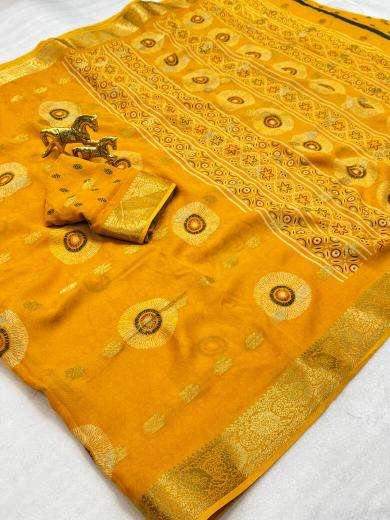
Plan Your Visit Around Ring Road and Sahara Darwaza
Buyers researching wholesale garments in Surat frequently come across Ring Road and Sahara Darwaza. The broader textile belt around these areas contains numerous textile markets and businesses, making advance planning useful for buyers with limited time.
Rather than trying to visit as many sellers as possible, prepare a category-wise buying plan. If your primary requirement is sarees, allocate most of your sourcing time to saree collections. If your business focuses on kurtis and suits, avoid spending half the day comparing unrelated products simply because they are available nearby.
A clear purchase list can make a physical market visit more productive. Write down required categories, approximate quantity, preferred price range and any specific fabric or design requirements before beginning your market visit.
Do Not Finalise Your Full Budget at the First Stop
The variety available in Surat can be substantial. Unless you already work with a trusted supplier and know the collection, it can be useful to understand available options before committing the entire budget.
Compare products on commercially relevant factors such as fabric, finishing, design, wholesale rate, minimum quantity and expected selling price. The objective is not to spend hours bargaining over a tiny difference; it is to identify merchandise that provides the best combination of sellability and margin for your business.
Keep Product and Supplier Details Organised
When visiting multiple wholesalers, catalog names and prices can quickly become confusing. Save product images, supplier information and quoted rates in an organised manner. This makes it easier to compare shortlisted collections before payment.
For online sourcing, the same discipline is useful. Keep records of products purchased, order dates, quantities and actual customer response so that the next wholesale order becomes more accurate.
Understand MOQ Before You Confirm the Order
MOQ, or minimum order quantity, affects both the amount invested and the variety a retailer can carry. A low per-piece rate may appear attractive, but it becomes less useful if the buyer has to purchase substantially more stock than the business can sell comfortably.
Smaller retailers should evaluate the total catalog investment rather than focusing only on the individual piece rate. For example, a slightly higher per-piece price with a practical quantity can sometimes be financially safer than a lower rate that requires a much larger purchase.
Larger Wholesale Buyers and Showroom Owners may take deeper quantities when demand is established. In these cases, volume purchasing can potentially provide better commercial terms depending on the product and supplier.
Check Sizes and Colour Assortments Carefully
For ready-made garments, sizing can directly affect stock movement. A beautiful kurti is not commercially useful if its available size mix does not match the retailer's customer base.
Check whether the collection is sold as a fixed size set, whether individual sizes can be selected and what size range is available. Retailers should compare this information with their previous sales.
Colour assortment matters in a similar way. Avoid assuming that every colour in a catalog will sell equally. Some retailers may find deeper festive shades perform strongly, while others may see better demand for pastel, neutral or bright everyday colours.
Buy Seasonal Stock Early Enough to Sell It
Timing is an important part of wholesale purchasing. Buying festive merchandise after the strongest customer demand has already begun leaves less time for promotion and selling.
Retailers should plan important seasonal inventory in advance. This allows time for dispatch, receiving stock, product photography, customer communication and repeat ordering if the first batch performs well.
The same principle applies to export buyers because international shipping requires additional planning. Retailers in USA, Canada and Nepal should consider transportation and destination timelines when ordering products for specific festivals or sales periods.
Consider Manufacturing Strength When Choosing Surat Suppliers
Surat's textile trade is supported by a broad manufacturing and processing network. Fabric sourcing, dyeing, printing, embroidery, stitching, finishing, catalog creation and wholesale distribution are all connected to the larger textile ecosystem.
For retailers, the advantage is access to frequent new launches across multiple categories. Instead of relying on the same limited assortment for several months, businesses can introduce fresh merchandise more regularly.
Vastralife brings wholesale and export experience since 2017, along with practical industry expertise in serving B2B fashion requirements. This experience supports buyers looking for market-relevant collections while maintaining attention to product quality and commercial usability.
Use Online Sourcing When a Surat Visit Is Not Practical
Travelling to Surat can be worthwhile for businesses making large sourcing trips, but it is not necessary to travel every time fresh inventory is required. Transport, accommodation and time away from the store all add to the real cost of purchasing.
Through kapdathread.com, buyers can explore wholesale collections remotely and shortlist products according to their business requirements. This can be useful for Shop Owners, Boutique Owners, Resellers and other buyers located outside Gujarat.
Online sourcing can also help repeat buyers replenish stock more frequently instead of waiting until the next physical visit. For fast-moving fashion categories, this flexibility can make inventory management more responsive.
Calculate Landed Cost, Not Just Surat Wholesale Price
One of the most valuable Surat market buying tips is to calculate what a product actually costs when it reaches your business. The supplier's quoted rate is only one part of the final cost.
Depending on the order, buyers may need to account for applicable taxes, transportation, packaging, payment costs and other legitimate business expenses. Export buyers should also consider international freight and destination-related charges relevant to their shipment.
Once the approximate landed cost is clear, compare it with the realistic retail selling price. This gives a more accurate view of potential gross margin and helps buyers decide whether the product fits their business model.
For 2026, this disciplined approach is increasingly important because customers can compare designs and prices quickly across offline stores, social media and online marketplaces. Retailers need merchandise that is competitively priced without compromising the quality customers expect.
Use Product Demand to Decide Reorder Quantity
A successful first purchase should become the starting point for smarter repeat buying. Instead of automatically reordering the same quantity, review how quickly each design moved, which sizes sold first, which colours customers requested and whether buyers asked for similar styles after the collection was sold out.
For a retailer, the strongest signal is actual customer behaviour. If a particular kurti, saree or suit design sells quickly without heavy discounting, it may justify a deeper reorder. If another product receives plenty of enquiries but very few confirmed purchases, buying additional quantity may only increase slow-moving inventory.
Wholesale buyers should therefore maintain a simple record of purchase price, selling price, quantity purchased, quantity sold and the number of days required to move the stock. Over time, this creates a useful buying history and makes future purchasing from the Surat textile market more systematic.
Reorder Winners Instead of Continuously Chasing New Designs
New arrivals are important in fashion, but a profitable assortment does not need to consist entirely of new products. If a design has already demonstrated strong demand among your customers, replenishing it can be less risky than replacing it immediately with an untested collection.
A balanced retailer can maintain proven sellers while continuously testing a smaller percentage of new merchandise. This strategy is particularly useful for Home-Based Sellers and Resellers who need variety but cannot keep unlimited inventory.
Use Small Tests for Unfamiliar Categories
If your store has traditionally sold sarees and you want to introduce kurtis, co-ord sets or dress materials, begin with a controlled purchase rather than allocating a large percentage of your capital immediately.
The same principle applies when entering a new price segment. Test customer response, gather feedback and increase the next order when actual sales justify expansion. Wholesale purchasing becomes more sustainable when quantity follows demand rather than assumptions.
How to Evaluate Wholesale Sarees Before Buying
Sarees remain an important category for many Indian fashion retailers, but the buying approach can vary considerably according to the target customer. Daily-wear cotton sarees, printed sarees, festive sarees, designer sarees and premium occasion collections serve different price points and customer needs.
Before confirming a saree order, understand the fabric, work, print or weaving style, blouse availability, colour assortment and expected retail positioning. Buyers should also consider whether the product photographs accurately communicate the saree's appearance because online and WhatsApp sellers depend heavily on visual presentation.
Retailers searching for a dependable saree manufacturer in Surat can compare relevant collections according to their target segment instead of mixing unrelated price categories. The objective should be to build an assortment that gives customers meaningful choice without unnecessarily duplicating similar designs.
How to Buy Kurtis and Ready-Made Ethnic Wear
Ready-made ethnic wear requires a slightly different buying strategy because fit, size availability and styling directly influence sales. Before ordering kurtis, check fabric, garment length, sleeve pattern, neckline, stitching, size set and whether the design is suitable for daily wear, office wear, festive use or occasion wear.
Retailers looking for kurtis manufacturers in Surat should also compare the complete product proposition rather than focusing only on the lowest rate. A commercially useful kurti needs the right combination of design, fit, quality, wholesale price and customer appeal.
For 2026 collections, retailers can maintain a mixture of traditional prints, contemporary silhouettes, straight kurtis, kurti-pant combinations, co-ord inspired designs and festive styles depending on the customer profile of their store.
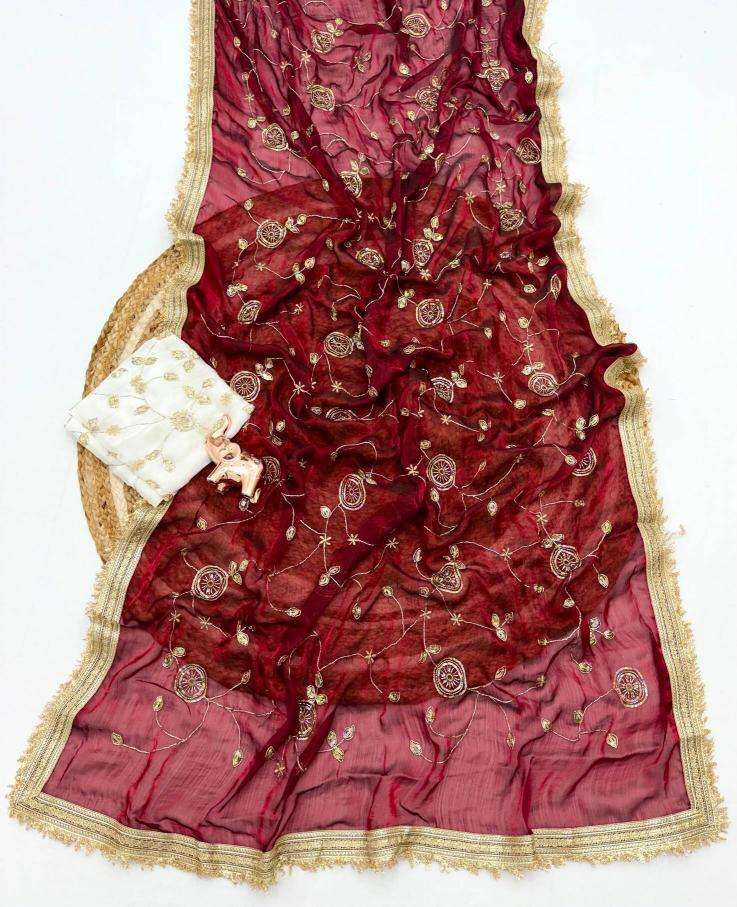
Internal Linking for Easier Wholesale Product Sourcing
Buyers researching Surat wholesale products should move from general market research to category-specific product selection. A broad search can help establish the available price range, but the final buying decision should be made category by category.
For example, a retailer may first determine how much capital to allocate to sarees and then compare designs within that budget. The same process can be repeated for kurtis, dress materials, suits and other ethnic wear. This prevents random purchasing and creates a more commercially balanced inventory.
kapdathread.com can be used as a sourcing reference for buyers who want to discover wholesale fashion collections without depending entirely on physical market visits. Product availability, designs and prices can change, so buyers should confirm current details before placing a bulk order.
Surat Buying Strategy for Boutique and Showroom Owners
Boutiques and showrooms usually need more than inexpensive merchandise. Presentation, exclusivity, fabric feel, finishing and design differentiation can influence the customer's willingness to pay a premium.
A boutique buyer should therefore identify products that fit the store's existing identity. If customers associate the boutique with elegant ethnic wear, randomly adding low-priced products simply because they are available at an attractive wholesale rate can weaken the assortment.
Showroom Owners can take a broader approach by creating different sections for regular wear, festive wear and premium collections. This allows customers with different budgets to shop from the same business while making inventory analysis easier.
Build Price Ladders Within Each Category
Instead of keeping every kurti or saree around one price point, consider creating entry, mid-range and premium options. Customers can then compare value within the same category.
For example, an affordable range can attract price-sensitive buyers, while detailed work, premium fabric and stronger finishing can justify a higher retail price in another range. The exact buying levels should depend on your customers rather than a universal formula.
Surat Buying Strategy for Resellers and Home-Based Sellers
Home-Based Sellers and online Resellers often work differently from physical retailers. Their customers usually see products through WhatsApp, Instagram, Facebook or digital catalogs before making a purchase. This means strong product photographs and clear product details are particularly valuable.
For this model, avoid purchasing too many pieces of an untested design. Start with manageable quantities, understand which catalog styles generate confirmed orders and gradually increase purchasing in successful segments.
Products with easily understandable features can also be easier to sell remotely. Clearly communicating fabric, size, colour, work, set contents and price helps reduce repetitive questions and gives customers more confidence before ordering.
Wholesaleexport and textile sourcing experience can help, but the reseller's own customer knowledge remains equally important. What sells strongly for one seller may perform differently for another because audience, location and price sensitivity vary.
Buying for Export Markets from Surat
International buyers should add another layer of planning to the wholesale process. Product cost is important, but weight, packaging, shipping method, delivery time and destination requirements can materially affect the landed cost.
For buyers supplying the USA, Canada or Nepal, the ideal product mix may also differ from a domestic Indian assortment. Retailers should base their purchase on the preferences and price expectations of customers in their own market.
Before confirming an export order, ask for clear information about products, quantity and dispatch arrangements. Seasonal orders should be placed with sufficient time for transport so that merchandise reaches the destination while customer demand is still active.
Vastralife's wholesale and export experience since 2017 provides industry understanding of B2B textile sourcing and the importance of consistent product information, quality and dispatch coordination for buyers operating beyond Surat.
Common Surat Wholesale Buying Mistakes to Avoid
Wholesale buying becomes easier when retailers know which mistakes can lock money into slow inventory. Even experienced buyers can make poor purchasing decisions when they become overly influenced by a new design, an attractive discount or the pressure to confirm stock quickly.
Buying Only Because the Price Is Low
A cheap product is expensive if it does not sell. Compare price with design, fabric, finishing and expected customer demand. A slightly higher buying rate can sometimes produce a healthier margin when the product has stronger retail appeal.
Buying Too Many Similar Designs
Ten different designs can still look repetitive if their colours, patterns and silhouettes are nearly identical. Look at the assortment as your customer will see it and maintain enough variation to make browsing interesting.
Ignoring Your Existing Inventory
Before purchasing, check what is already available in your store. Buying another large quantity of a category that is already overstocked can create unnecessary pressure on working capital.
Not Confirming Product Details Before Payment
Confirm important commercial details such as product, quantity, size assortment where applicable, price and dispatch-related information before completing a transaction. Written order details are easier to reference than relying on verbal discussions.
Using the Entire Budget in One Purchase
Keeping some capital available gives retailers flexibility to purchase a newly launched collection or replenish a fast-moving product. Fashion inventory changes continuously, so liquidity itself can be a competitive advantage.
A Practical 2026 Surat Wholesale Buying Checklist
Before confirming your next wholesale purchase, use a simple checklist: identify your customer segment, decide the buying budget, select required categories, establish target wholesale price ranges, review existing stock, check fabric and finishing, confirm size or colour assortment, understand minimum quantities and calculate approximate landed cost.
Next, estimate a realistic retail selling price and margin. Consider whether the product suits the current season and whether you can reorder it if customer response is strong. For online purchasing, review the available product information carefully and clarify important details before payment.
If visiting Ring Road, Sahara Darwaza or another part of the Surat textile market, keep your buying list accessible throughout the visit. Attractive new products will always appear, but your original purchasing objectives should remain the foundation of the trip.
These Surat market buying tips are ultimately about inventory discipline. The purpose of wholesale buying is not to return with the maximum possible number of products. It is to return with stock that has a realistic opportunity to generate profitable retail sales.
Customer FAQs
1. What should I check before buying wholesale garments from Surat?
Check fabric, stitching or finishing, design, size or colour assortment, wholesale price, quantity requirement and expected retail selling price. You should also compare the product with your existing inventory and customer demand before deciding the quantity.
2. Is Surat suitable for small resellers and Home-Based Sellers?
Yes, Surat offers products across multiple categories and price segments. However, minimum quantity requirements vary between products and suppliers, so small sellers should confirm the applicable MOQ before ordering and avoid overstocking untested designs.
3. Can I purchase Surat wholesale products without visiting the market?
Yes. Buyers can explore collections through online sourcing channels such as kapdathread.com. This can be useful for retailers who cannot frequently travel to Surat and want to review new wholesale collections remotely.
4. Which products can wholesale buyers source from Surat?
Depending on current availability, buyers can find categories such as sarees, kurtis, dress materials, salwar suits, kurti sets, co-ord styles, festive ethnic wear and other women's fashion products. Buyers should select categories according to their own customer base rather than trying to stock everything.
5. How can I get a better margin when purchasing from Surat?
Start by calculating the complete landed cost instead of considering only the purchase rate. Choose products with suitable quality and customer demand, control slow inventory, negotiate commercially appropriate quantities and reorder proven sellers. A strong margin comes from the combination of buying price, stock rotation and achievable selling price.
6. Is the lowest wholesale price always the best deal?
No. The lowest-priced product may not be the most profitable if fabric, finishing or customer appeal is weak. Compare the complete value of the product and consider how easily it can sell at your intended retail price.
7. How early should I purchase festive stock?
Purchase early enough to allow for dispatch, receiving, merchandising and customer promotion before peak demand. Export buyers should allow additional time for international transportation and destination procedures.
8. Where are major textile buying areas in Surat?
Buyers commonly associate Surat textile sourcing with the broader Ring Road and Sahara Darwaza textile areas, among other market clusters. Because the market is extensive, planning suppliers and product categories before the visit can save considerable time.
Buy Surat Wholesale Collections with a Clear Business Plan
Successful sourcing is ultimately about purchasing for the customer who will buy the product from you. Analyse previous sales, protect working capital, maintain category balance and select merchandise with the right combination of design, quality and price.
Whether you are a Shop Owner, Boutique Owner, Showroom Owner, Home-Based Seller, Reseller or Wholesale Buyer, kapdathread.com can help you explore textile and ethnic wear sourcing opportunities connected with Surat. With Vastralife's wholesale and export experience since 2017, the focus remains on industry expertise, practical B2B sourcing and premium product quality.
Use these Surat market buying tips to make your 2026 purchases more focused, whether you are buying within India or sourcing stock for international customers.
Explore Latest Wholesale Collections
Ready to plan your next wholesale purchase? Explore Latest Collections, competitive Wholesale Pricing and Trendy Ethnic Wear for your retail, boutique, showroom or reselling business.
Buyers can enquire about Fast Shipping, available COD Support, Bulk Order Deals and current product options. Explore Quality Products Starting From ₹299, subject to product availability and individual collection pricing.
Contact: +91 9712582172
Website: kapdathread.com
Plan your stock carefully, select products according to real customer demand and keep introducing fresh collections at the right time. A disciplined wholesale buying strategy can help turn Surat's enormous textile variety into a more practical and profitable inventory for your business.