
What to Ask a Wholesale Supplier Before Your First Order
What to Ask a Wholesale Supplier Before Your First Order – Complete Buyer Checklist 2026
Placing your first bulk clothing order is an important step for any fashion business. Whether you run a small boutique, manage a retail showroom, sell ethnic wear from home, or plan to expand your online clothing store, choosing the right supplier can directly affect your profit, customer satisfaction, and future growth. A reliable wholesale partner should offer competitive prices, consistent product quality, transparent ordering terms, and dependable delivery. Before investing your money, asking the right questions helps you avoid unnecessary expenses and build a stronger purchasing strategy.
Introduction
India's wholesale clothing industry offers enormous opportunities for retailers, boutique owners, resellers, and entrepreneurs looking to purchase fashionable garments at competitive rates. From traditional sarees and designer kurti sets to trendy co-ord sets, dress materials, and premium ethnic collections, wholesale buyers can explore thousands of products across different price segments.
However, purchasing garments in bulk requires more than selecting attractive designs. Your supplier's manufacturing connections, minimum order quantity, payment policies, dispatch process, and quality standards can influence your entire business operation.
Many first-time buyers concentrate only on finding the lowest wholesale price. While competitive pricing matters, an unusually cheap quotation does not always guarantee better profitability. Fabric quality, stitching, packaging, shipping charges, and product consistency should also be considered before confirming an order.
Established wholesale businesses such as Vastralife, with wholesale and export experience since 2017, demonstrate the importance of industry knowledge, sourcing expertise, and understanding the requirements of different retail markets. Buyers should look for suppliers who understand product quality, changing fashion demand, and practical wholesale business requirements.
For retailers exploring wholesale clothing suppliers in India, platforms such as kapdathread.com provide a starting point for discovering ethnic wear collections and comparing available wholesale purchasing options.
The following checklist explains the questions worth asking before confirming your first wholesale order, especially when purchasing sarees, kurtis, dress materials, or other women's clothing products.
1. Is the Wholesale Supplier Genuine and Experienced?
Before discussing product selection or payment, verify the supplier's business identity. This is particularly important when purchasing through WhatsApp, online catalogs, social media advertisements, or wholesale shopping websites.
A trustworthy supplier should be able to explain their business operations, product categories, order confirmation process, and customer support arrangements clearly.
Ask About Business Registration and Location
Start by requesting the supplier's registered business name, GST details where applicable, and physical business address. These details help establish whether the company operates as a manufacturer, wholesaler, distributor, or trading business.
If you are planning to buy wholesale clothing from Surat, ask whether the supplier operates near the surat textile market, ring road, sahara darwaza, or another established textile trading area.
Surat is widely recognized for its textile manufacturing and trading ecosystem. Many wholesale businesses source sarees, dress materials, kurtis, and women's ethnic wear through manufacturing units and textile distribution networks in the city.
Nevertheless, a location within a famous textile market is not sufficient proof of reliability. Verify the supplier's contact information, invoices, and business details before transferring money.
Ask How Long the Supplier Has Been Operating
Business experience can provide useful insight into a supplier's understanding of product sourcing, quality control, seasonal demand, and wholesale order management.
Ask questions such as:
- How many years have you been supplying wholesale garments?
- Do you work directly with textile manufacturing units?
- Which clothing categories do you specialize in?
- Do you regularly supply boutiques, retailers, and resellers?
- Can you provide proper invoices and business contact details?
Experience alone does not guarantee perfect service, but an established supplier should be able to describe their operating procedures and explain how they handle common purchasing concerns.
Ask Whether the Supplier Handles Domestic and Export Orders
If you intend to grow beyond your local market, check whether your supplier can manage larger orders and international export requirements.
For example, wholesale buyers serving customers in India, Malaysia, and Australia may have different preferences regarding fabric, garment sizes, packaging, and shipping arrangements.
A supplier familiar with international textile requirements may be better positioned to explain export documentation, freight options, and destination-specific purchasing considerations.
2. What Is the Minimum Order Quantity for Wholesale Clothing?
One of the first commercial questions every buyer should ask is about the minimum order quantity for wholesale clothing, commonly called MOQ.
MOQ determines how many pieces, sets, or catalogs you must purchase to qualify for wholesale pricing. Different suppliers may follow different quantity requirements depending on the product category and manufacturing arrangement.
Confirm Whether MOQ Applies to Pieces or Catalogs
Some wholesale suppliers allow buyers to order a small number of individual garments, while others require a complete catalog containing multiple designs or colors.
For example, a supplier may offer a six-piece kurti catalog, an eight-piece dress material collection, or a twelve-piece saree assortment. These are illustrative arrangements, not universal wholesale rules.
Before confirming your order, ask:
- What is the minimum quantity required for my first order?
- Can I purchase mixed designs in one order?
- Is purchasing a complete catalog compulsory?
- Can I select different sizes and colors?
- Will the wholesale price change for smaller quantities?
Home-based sellers and new resellers should pay particular attention to MOQ because excessive initial inventory can create unnecessary financial pressure.
Ask About Mixed-Product Wholesale Orders
A mixed-product order can help you test customer preferences without committing your entire purchasing budget to one clothing category.
For instance, a boutique owner may want to purchase designer kurti sets, casual cotton kurtis, printed sarees, and festive dress materials together.
Ask whether your supplier permits mixed wholesale clothing orders and whether each category has a separate minimum quantity.
This flexibility can be valuable when launching a new collection or evaluating demand among customers with different fashion preferences.
3. What Is the Final Wholesale Price Per Piece?
Wholesale price comparisons should always consider the total purchasing cost rather than the advertised garment rate alone.
A supplier may display an attractive starting price, but the final payable amount can change after adding applicable GST, transportation, packaging, and other order-related charges.
Request a Complete Price Breakdown
When requesting a wholesale saree price list or kurti catalog quotation, ask the supplier to provide a clear breakdown of all applicable charges.
Confirm the following:
- Actual garment price per piece or set
- Applicable GST and invoice details
- Catalog or packing charges, if any
- Courier or transport charges
- Additional charges for special packaging
- Bulk quantity discounts, if available
For example, suppose you purchase 30 garments at ₹450 each. Your basic merchandise value would be ₹13,500 before applicable taxes and additional expenses.
If freight and other charges increase the landed cost, calculate that amount before deciding your retail selling price.
A supplier offering a slightly higher product rate with dependable quality and clear terms may provide better long-term value than a supplier offering an exceptionally low rate with uncertain service.
Ask About Bulk Order Deals and Price Slabs
Many wholesale garment businesses offer different price levels depending on order volume, product category, or catalog availability.
Ask whether pricing changes when purchasing 10, 25, 50, or 100 pieces. These quantities are examples for comparison; actual discount slabs must be confirmed with the supplier.
If you are planning recurring purchases, discuss whether larger orders qualify for better wholesale pricing or special bulk order deals.
Always request a written quotation so the agreed rate can be checked against the final invoice.
4. How Can You Verify Fabric Quality Before Ordering?
Product quality is one of the most important factors in building a successful clothing resale business. Customers may initially purchase a garment because of its design or price, but their willingness to buy again often depends on fabric comfort, stitching quality, fitting, and durability.
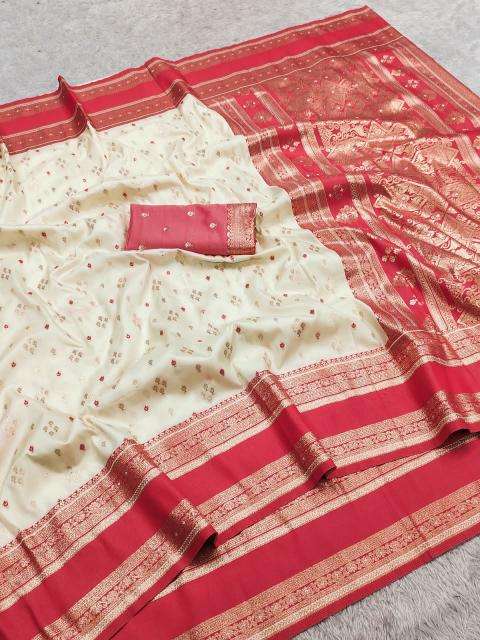
When selecting a wholesale ethnic wear supplier, request accurate product specifications instead of relying only on edited catalog photographs.
Ask for Fabric Composition and Product Details
Different fabrics offer different characteristics, and the right selection depends on your target customers and selling season.
For example, cotton garments are commonly preferred for breathable everyday wear, while georgette, chiffon, silk blends, and other decorative fabrics may be selected for festive or occasion-based collections.
Before placing a bulk kurti purchase, ask:
- What is the exact fabric composition?
- Is the material pure cotton, blended cotton, rayon, georgette, or another fabric?
- Does the garment include lining?
- What type of printing, embroidery, or embellishment is used?
- Are garment measurements available?
- Are there any specific washing or care instructions?
Clear product specifications make it easier to describe garments accurately to your own customers and reduce misunderstandings after delivery.
Request Real Product Photos and Videos
Catalog images are useful for understanding design, but lighting, styling, and image processing can affect how colors and textures appear on screen.
Ask whether the supplier can provide original garment photographs, close-up fabric videos, or short product demonstrations.
For expensive collections, buyers may also request a sample order where the supplier offers that option.
Examine stitching, finishing, fabric transparency, embroidery quality, and garment measurements before placing a substantial bulk order.
Check Product Quality Consistency
Receiving one attractive sample is helpful, but consistency across multiple garments matters even more for retailers.
Ask whether the same fabric specifications and finishing standards apply throughout the catalog. Confirm how the supplier handles manufacturing variations and whether products are inspected before dispatch.
Premium product quality should mean more than attractive packaging. It should include dependable fabric specifications, neat finishing, reasonable consistency, and honest product descriptions.
5. Are the Sizes, Colors, and Designs Available in Stock?
Inventory availability can change quickly in the wholesale garment market, especially when particular colors, sizes, or designs become popular.
Before paying for your first order, request confirmation of the current stock position.
Confirm Size Availability Before Payment
For wholesale ladies kurti sets, ask whether the collection is available in standard sizes such as M, L, XL, XXL, or larger sizes where applicable.
Do not assume that every design is available in every size. Different manufacturers may use different measurement charts, even when the size labels are identical.
If your boutique specializes in plus-size ethnic wear, request actual garment measurements and availability for the sizes your customers commonly purchase.
Ask About Design Replenishment
Some garment collections are manufactured in repeat batches, while others are seasonal or limited-production designs.
Ask whether bestselling designs can be reordered after the initial purchase.
This information matters for resellers who regularly promote products through Instagram, Facebook, WhatsApp, and online shopping platforms.
Promoting a design that cannot be supplied again may create customer disappointment and missed sales opportunities.
Confirm How Stock Is Reserved
Ask whether stock is reserved when you request a quotation, when you confirm the order, or only after payment is received.
A supplier may share an available catalog in the morning, but some designs could sell out before your payment is completed.
Request final stock confirmation immediately before placing your order and retain the confirmed product details for reference.
6. What Payment Terms Does the Wholesale Supplier Offer?
Payment policies should be discussed clearly before any money is transferred. Different wholesale businesses may require full advance payment, partial advance payment, or specific COD arrangements.
For first-time buyers, transparency is especially important because unclear payment terms can create disputes during order processing.
Ask Whether Advance Payment Is Required
Before purchasing wholesale women's clothing online, ask whether the supplier requires 100% advance payment or permits another approved payment arrangement.
Also confirm which payment methods are accepted, such as bank transfer, UPI, or other business payment channels.
For security, verify the payment recipient's details and ensure they match the supplier's confirmed business information.
Avoid transferring money to an unfamiliar account without independently checking the supplier's identity and payment instructions.
Understand COD Support and Eligibility
Some wholesale suppliers offer cash-on-delivery facilities under specific conditions. However, COD does not necessarily mean that an order can be placed without any advance payment.
For example, a supplier may require a percentage of the order value in advance and collect the remaining amount through an approved COD process.
Ask about minimum order value, advance payment percentage, eligible delivery locations, additional charges, and whether COD is available for your product category.
International wholesale orders generally follow different payment and shipping arrangements, so never assume domestic COD terms apply to export purchases.
Request Written Payment Confirmation
Once payment is completed, request a receipt, order confirmation, or invoice containing the relevant transaction details.
Keep copies of the quotation, payment reference, confirmed catalog, and supplier communication.
These records are useful if there is a difference between the original order and the delivered merchandise.
7. What Is the Dispatch Time and Delivery Process?
Delivery reliability is particularly important for retailers who purchase garments for upcoming festivals, boutique launches, seasonal promotions, or customer commitments.
Before ordering, understand the difference between dispatch time and delivery time.
Dispatch time refers to the period required for the supplier to prepare and hand over the shipment to a courier or transport provider. Delivery time refers to the additional period required for the shipment to reach its destination.
Ask When the Order Will Be Dispatched
Ask whether the garments are ready stock or require manufacturing, finishing, or additional packaging before dispatch.
Ready-stock products may be processed differently from made-to-order garments or customized collections.
Request an estimated dispatch date and ask whether the supplier will notify you if the order is delayed.
Confirm Shipping Charges and Tracking
When placing a Surat wholesale clothing order, confirm whether the supplier offers courier delivery, transport booking, or another shipping arrangement for your destination.
Ask whether the shipping charge is based on actual weight, volumetric weight, parcel count, or transport company rates.
Also check whether the supplier provides an airway bill, consignment number, or other shipment tracking reference.
For businesses purchasing through kapdathread.com, it is sensible to confirm current shipping options, applicable charges, and dispatch commitments before completing the order.
A realistic delivery estimate allows you to schedule product launches and customer promotions without promising stock that has not yet arrived.
8. What Happens If Products Arrive Damaged or Incorrect?
Even when a supplier follows quality-control procedures, occasional packing mistakes, manufacturing defects, or transit damage can occur. Understanding the claim process before ordering is essential.
Ask About the Return and Exchange Policy
Wholesale return policies are often different from retail shopping policies. Some suppliers accept claims only for verified manufacturing defects or damaged merchandise, while others may have additional conditions.
Ask whether returns are accepted for incorrect designs, wrong sizes, manufacturing defects, or transit damage.
Also confirm the time limit for reporting a problem and whether replacement, credit, or another resolution may be offered.
Confirm Whether an Unboxing Video Is Required
Many wholesale businesses require buyers to record a continuous parcel-opening video when submitting a damage or shortage claim.
Ask whether an unboxing video is mandatory, what evidence is required, and how quickly a claim must be submitted after delivery.
When the parcel arrives, check the outer packaging, count the received pieces, compare the contents with the invoice, and preserve supporting photographs or videos.
These precautions help both the buyer and supplier review genuine order discrepancies more efficiently.
Understand Responsibility for Transit Damage
Ask who handles a shipment claim if the parcel is damaged during transportation. Depending on the shipping arrangement, responsibility may involve the supplier, courier company, transport provider, or applicable insurance terms.
Do not assume that every damaged shipment automatically qualifies for a refund. Obtain the supplier's written policy before making payment.
A clear after-sales process is an important sign of professional wholesale business operations.
9. Can the Supplier Offer Regular New Collections and Trending Designs?
Fashion retail businesses depend on fresh designs, seasonal collections, and consistent product availability. Before choosing a wholesale clothing supplier for long-term purchases, check how frequently the company introduces new garments and updates its catalogs.
A supplier offering regular collections can help boutique owners, showroom operators, home-based sellers, and online resellers maintain customer interest without repeatedly searching for new sourcing partners.
Ask About New Arrival Frequency
When purchasing latest wholesale ethnic wear collections, ask whether new catalogs are introduced daily, weekly, or according to seasonal demand. The frequency may differ depending on the product category, manufacturing schedule, and availability of new designs.
For example, daily-wear kurtis may follow a different production cycle from embroidered festive suits or premium designer sarees. Understanding these differences helps buyers plan purchases according to their customers' requirements.
Ask whether the supplier shares new arrivals through WhatsApp groups, wholesale applications, digital catalogs, or its official website.
Check Seasonal and Festival Collections
Seasonal purchasing plays an important role in the Indian ethnic wear business. Retailers often increase inventory before major festivals, weddings, and regional celebrations.
Ask whether the supplier can arrange festival wear wholesale collections, wedding sarees, designer salwar suits, party-wear kurti sets, and other seasonal products.
For buyers planning their 2026 inventory, placing seasonal orders early may provide more flexibility in design selection, size availability, and transportation planning.
Ask About Product Photos for Reselling
Home-based resellers and online sellers frequently depend on product photographs and catalog videos to promote garments before receiving stock.
Ask whether the supplier permits you to use its product images for business promotion and whether original catalog photographs are available.
Confirm that product images accurately represent the supplied garments. Using correct photographs and descriptions helps maintain customer confidence and reduces disputes about fabric, color, and design.
10. Does the Supplier Support International Wholesale Orders?
Retailers operating outside India may need additional support when purchasing garments from Indian textile markets. International orders involve more than product selection because shipping methods, customs procedures, documentation, and payment arrangements can differ from domestic wholesale purchases.
If you plan to import wholesale clothing from India, choose a supplier who can clearly explain its export capabilities and the responsibilities of the buyer.
Ask About Export Packaging and Documentation
Before confirming an international order, ask whether the supplier can provide the commercial invoice, packing list, and other documents required for the agreed shipment.
The documents required may vary depending on the destination country, shipping method, and product classification.
Also confirm whether the supplier arranges export packaging suitable for the selected transportation method.
Confirm Freight and Customs Responsibilities
When discussing wholesale clothing export from Surat, ask whether the quoted amount includes only the garments or also international freight, insurance, and other agreed charges.
Clarify who will be responsible for import duties, taxes, customs clearance, and local delivery at the destination.
For international buyers, a written quotation specifying shipping terms is much more useful than a garment price alone.
Check International Payment and Delivery Terms
Ask which payment methods the supplier accepts for overseas purchases and whether the order requires full advance payment.
Confirm the expected dispatch date, shipping method, tracking availability, and approximate transit period. International delivery estimates should account for possible customs processing and transportation delays.
Vastralife's wholesale and export experience since 2017 reflects the value of understanding garment sourcing, manufacturing networks, product quality expectations, and different customer requirements. However, buyers should always confirm the specific services and terms available for their own order.
11. Internal Linking Section: Explore Wholesale Clothing Categories Before Ordering
Comparing suitable product categories before placing your first bulk order can help you build a balanced inventory. Instead of purchasing every available design, concentrate on garments that match your customers' budgets, fashion preferences, and buying patterns.
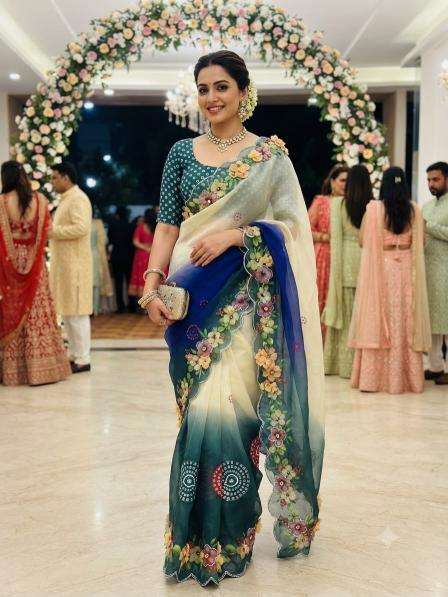
For example, buyers planning a saree business can explore sourcing opportunities through a saree manufacturer in Surat to understand available collections and discuss suitable wholesale purchasing options.
Similarly, boutique owners and retailers interested in unstitched ethnic wear can explore dress materials wholesale collections before finalizing their product mix.
When comparing suppliers, consider product variety, fabric specifications, minimum order quantity, available stock, total landed cost, and after-sales support.
A well-planned first order should prioritize products with realistic selling potential rather than purchasing large quantities simply because a supplier offers an attractive discount.
12. How Should You Calculate Profit Before Buying Wholesale Clothing?
Profit calculation should begin before placing your first order. Many new clothing resellers focus on the difference between wholesale price and retail selling price without considering the additional expenses involved in selling garments.
For a more realistic calculation, include transportation, packaging, payment processing, advertising, and other applicable business costs.
Calculate the Total Landed Cost
Suppose a retailer purchases a kurti set at a basic wholesale price of ₹500. The buyer also incurs ₹30 in allocated transportation expenses and ₹20 in packaging and handling expenses.
The estimated landed cost would be ₹550 per set, excluding any additional applicable costs not included in this example.
If the retailer sells the garment for ₹850, the difference between the selling price and estimated landed cost is ₹300.
However, this ₹300 should not automatically be treated as final net profit because marketing expenses, returns, payment fees, overheads, and applicable taxes may still need to be accounted for.
Compare Margin With Product Quality
A lower wholesale price can appear attractive, but poor fabric quality or inconsistent sizing may result in complaints, lost customers, and unsold inventory.
When comparing bulk ethnic wear suppliers, consider whether the product quality supports the retail price you intend to charge.
For example, a premium boutique may prefer better-finished garments that support a higher selling price, while a budget-focused reseller may prioritize affordable daily-wear collections.
The most suitable product depends on your target customer, not simply on the lowest available purchase rate.
Start With a Practical Inventory Budget
First-time wholesale buyers should avoid spending their entire business budget on one collection.
Allocate funds for inventory, shipping, packaging, customer acquisition, and future replenishment. Keep a reasonable reserve for unexpected expenses.
Once you identify products that consistently sell, you can increase purchasing quantities and discuss improved wholesale pricing with your supplier.
13. What Support Should You Expect After Placing an Order?
A reliable wholesale relationship continues after payment confirmation. Retailers benefit from suppliers who communicate clearly about stock, dispatch, shipment tracking, and order-related questions.
Ask About Customer Support Channels
Confirm whether the supplier provides support through WhatsApp, telephone, email, or another official communication channel.
Ask whom you should contact for payment confirmation, shipment tracking, product clarification, or a delivery complaint.
Clear communication is particularly valuable for home-based sellers who may be managing customer orders without a dedicated purchasing team.
Check Whether Repeat Orders Are Easy
For a growing clothing business, repeat purchasing should be straightforward.
Ask whether the supplier maintains digital catalogs, shares updated stock information, and provides an organized process for reordering popular garments.
Platforms such as kapdathread.com can be considered when exploring wholesale clothing collections, but buyers should confirm current ordering procedures and stock availability before relying on any advertised product listing.
Discuss Long-Term Wholesale Cooperation
Once you have successfully completed an initial purchase, discuss future requirements with the supplier.
These may include larger quantities, preferred garment categories, advance seasonal planning, and regular catalog updates.
A dependable relationship can make sourcing more efficient and reduce the time spent searching for new suppliers whenever inventory runs low.
14. Final Wholesale Supplier Checklist Before Making Payment
Before confirming your first wholesale clothing order in 2026, review the following checklist. It can help you compare suppliers and avoid overlooking important commercial details.
- Business verification: Confirm the supplier's identity, contact information, and applicable business registration details.
- Product availability: Verify that the selected designs, colors, and sizes are currently available.
- Minimum order quantity: Confirm whether MOQ applies to individual pieces, sets, or complete catalogs.
- Wholesale pricing: Request the final garment price and applicable taxes.
- Additional charges: Confirm packaging, transport, and other payable expenses.
- Fabric quality: Check material specifications, stitching, finishing, and product measurements.
- Catalog accuracy: Request original product photographs or videos where available.
- Payment policy: Verify advance payment requirements, accepted payment methods, and COD eligibility.
- Dispatch schedule: Obtain an estimated order preparation and dispatch date.
- Delivery arrangements: Confirm shipping charges, carrier details, and tracking availability.
- Damage claims: Understand the return policy, reporting deadline, and unboxing video requirements.
- Repeat availability: Ask whether popular designs can be reordered.
- Customer support: Confirm the official contact channel for order-related assistance.
- Export terms: For overseas orders, clarify freight, customs, documentation, and payment responsibilities.
Keep written confirmation of the important terms before transferring money. This simple step can prevent confusion and provide a useful reference if questions arise after dispatch.
15. Customer FAQs About First-Time Wholesale Clothing Orders
Q1. How many pieces should I purchase in my first wholesale clothing order?
The ideal quantity depends on your budget, supplier MOQ, product category, and expected customer demand. New resellers should generally begin with a manageable quantity that allows them to evaluate product quality and customer response. Confirm whether the supplier permits mixed designs or requires complete catalogs before placing the order.
Q2. How can I find a reliable wholesale clothing supplier in Surat?
Start by verifying business details, requesting accurate product specifications, comparing quotations, and checking payment and dispatch policies. Suppliers operating around the surat textile market, ring road, and sahara darwaza may offer access to different textile categories, but physical location alone does not establish reliability. Business verification and transparent ordering terms remain essential.
Q3. Can I buy wholesale kurtis and sarees online without visiting the market?
Yes. Many wholesale garment businesses accept orders through websites, digital catalogs, wholesale applications, and official communication channels. Buyers should verify the supplier's identity, confirm current stock, understand payment conditions, and request written order details before purchasing remotely.
Q4. What is the difference between a manufacturer and a wholesaler?
A manufacturer produces garments through its own or contracted production arrangements, while a wholesaler typically purchases and distributes products in bulk. Some businesses operate through a combination of manufacturing, sourcing, and wholesale distribution. Ask your supplier which role it performs for the specific collection you intend to purchase.
Q5. Is the lowest wholesale price always the best option?
No. The lowest quoted price may not provide the best overall value if the garments have inconsistent quality, unclear sizing, high additional charges, or unreliable delivery. Compare the total landed cost, fabric quality, supplier service, and potential retail selling price before deciding.
Q6. Can home-based sellers start a clothing resale business with a small budget?
Yes, provided the purchasing quantity and business expenses fit the available budget. Home-based sellers can begin with a limited product range, test customer preferences, and reinvest earnings into successful collections. Supplier MOQ, shipping charges, and payment terms should be checked carefully before investing.
Q7. Do wholesale clothing suppliers offer cash on delivery?
Some suppliers provide COD support for eligible domestic orders, often subject to minimum order values, advance payments, and delivery-location restrictions. COD availability is not universal. Always obtain confirmation of the applicable conditions before placing an order.
Q8. What should I do if my wholesale parcel contains damaged garments?
Follow the supplier's documented claim procedure. Preserve the packaging, record an unboxing video if required, photograph the affected products, and report the issue within the stated deadline. The available resolution will depend on the supplier's agreed return or damage policy.
Q9. Can international retailers purchase Indian ethnic wear in bulk?
Yes. International retailers can source sarees, kurtis, dress materials, and other ethnic wear from Indian suppliers that support export orders. Before payment, confirm export documentation, freight arrangements, import responsibilities, applicable duties, and expected delivery timelines.
Q10. What should I check before placing a repeat wholesale order?
Review the quality and sales performance of your previous purchase, confirm current stock, check whether prices have changed, and verify updated shipping charges. If a particular design sells well, ask about replenishment availability before promoting it again.
16. Start Your Wholesale Clothing Business With KapdaThread
Choosing a suitable wholesale supplier is an important decision for every clothing business. Whether you are opening your first boutique, expanding an existing showroom, supplying garments to local retailers, or selling ethnic wear from home, the right sourcing approach can help you manage inventory and build stronger customer relationships.
At kapdathread.com, explore wholesale clothing collections suited to different retail requirements. Compare available designs, review product specifications, and confirm current pricing and ordering terms before purchasing.
With Vastralife's wholesale and export experience since 2017 and its understanding of the textile industry, the emphasis remains on sourcing knowledge, premium product quality, and practical wholesale buying requirements.
Explore Our Wholesale Clothing Benefits
- Latest Collections: Explore fashionable sarees, kurti sets, dress materials, and other women's ethnic wear collections.
- Wholesale Pricing: Check competitive bulk purchasing options for boutiques, retailers, and resellers.
- Trendy Ethnic Wear: Discover clothing styles suitable for everyday fashion, festive occasions, and retail collections.
- Fast Shipping: Ask about available dispatch and delivery options for your destination.
- COD Support: Confirm eligibility and applicable advance payment conditions for domestic orders.
- Bulk Order Deals: Enquire about current offers and pricing for larger purchasing quantities.
- Quality Products Starting From ₹299: Explore eligible wholesale collections from the advertised starting price, subject to stock and product availability.
For your first order, share your preferred garment category, approximate budget, required quantity, and delivery location. This will make it easier to discuss suitable collections and receive relevant purchasing details.
Contact for Wholesale Enquiries: +91 9712582172
Website: kapdathread.com
Business Categories: Wholesale Sarees, Designer Kurti Sets, Dress Materials, Women's Ethnic Wear, Boutique Collections, and Bulk Clothing Orders.
Ready to place your first wholesale order? Explore the latest collections, confirm wholesale pricing, discuss your required quantities, and choose garments that match your customers' preferences. A carefully planned purchase can help you protect your investment, improve product selection, and establish a reliable foundation for future wholesale orders.
Conclusion
Your first wholesale clothing purchase should be based on clear information rather than attractive catalog photographs or low prices alone. Supplier verification, minimum order quantity, product quality, payment terms, stock availability, shipping charges, and after-sales policies all deserve attention before confirming an order.
Whether you are a home-based seller, boutique owner, showroom operator, reseller, or established wholesale buyer, asking detailed questions helps you compare suppliers more effectively and avoid preventable purchasing problems.
In 2026, successful wholesale sourcing requires a balance of competitive pricing, reliable manufacturing connections, consistent garment quality, transparent communication, and realistic delivery commitments.
Start with a manageable order, evaluate the received products, understand your customers' preferences, and gradually increase purchasing quantities as your business grows. A dependable wholesale partnership is built through clear expectations, consistent service, and successful transactions over time.